
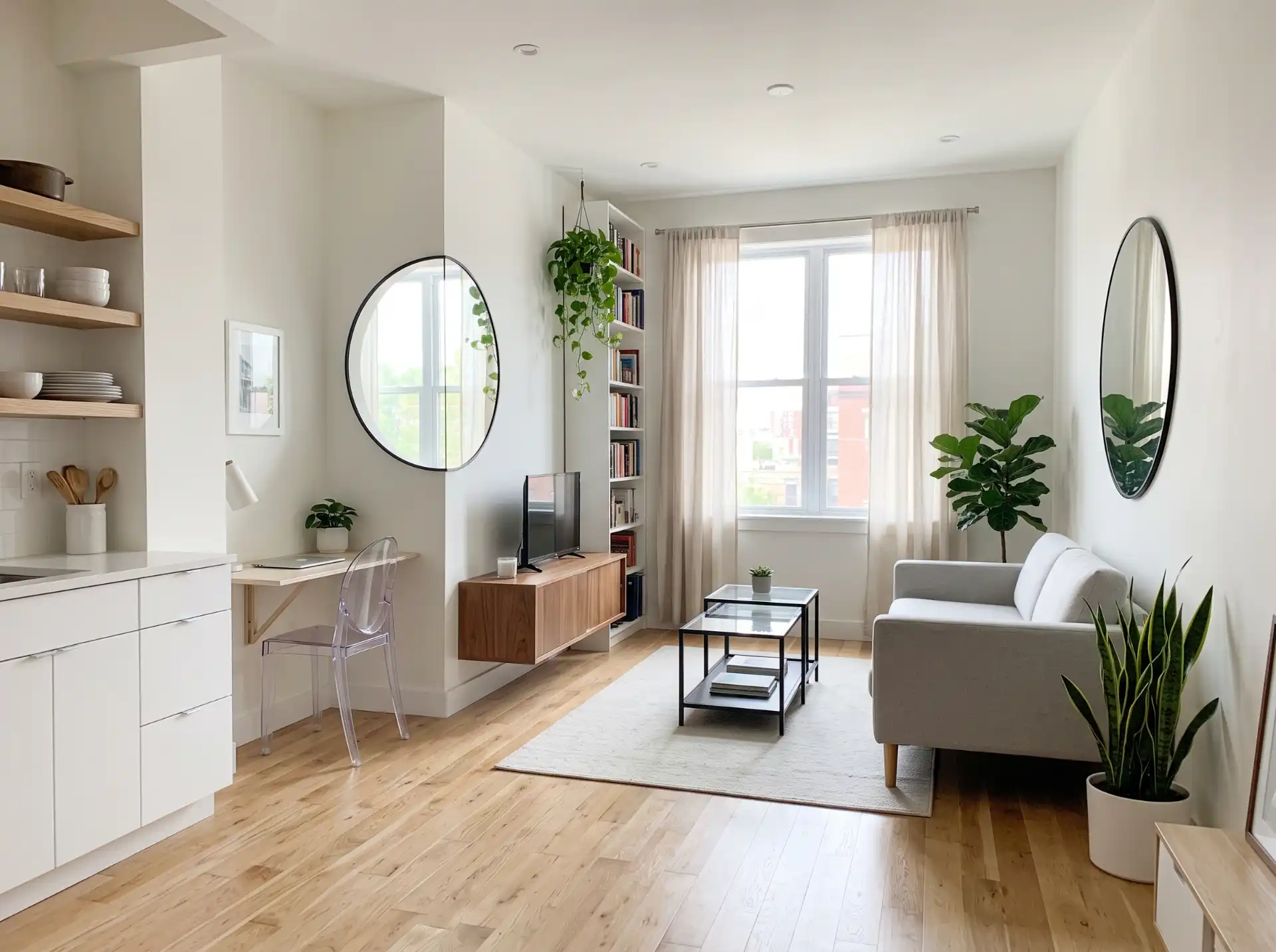
I lived in a 460-square-foot one-bedroom for three years before I figured out that most “small space” advice is written by people who have never actually measured their own apartment. A lot of it is just “declutter!” and “use mirrors!” repeated in different fonts. Some of it works. A lot of it doesn’t, or it works but nobody tells you the part where it falls apart in six months.
So this is the list I wish someone had handed me when I signed that lease — the stuff that actually changed how the place felt, plus the stuff I tried and would not do again. I’ve broken it into categories because 25 random tips in a row is exhausting to read, and honestly some of these only matter depending on your layout.
If you’re in a studio, skip to the multi-functional furniture section first. If you’ve got a weird galley-style one-bedroom like my friend Priya, the vertical storage section is going to do more for you than anything else on this list.
One thing up front: small apartment decorating isn’t really about tricking your eye into thinking the room is bigger.
Some of that matters, but most of the real win is in how the space functions — whether you can actually find your keys, whether the couch fits three people, whether your studio apartment layout makes sense for how you actually live in it day to day.
Keep that in mind as we go, because a few of these ideas are about visual tricks and a few are about just being smarter with what you’ve got.
Furniture & Layout: Get This Right First
Before you buy a single throw pillow, your furniture arrangement is doing about 60% of the work in how big or small your apartment feels.
I didn’t believe this until I rearranged my own living room three times in one weekend (my roommate at the time was very patient) and watched the same 320 square feet feel completely different each time.
1. Float your furniture off the walls — sometimes
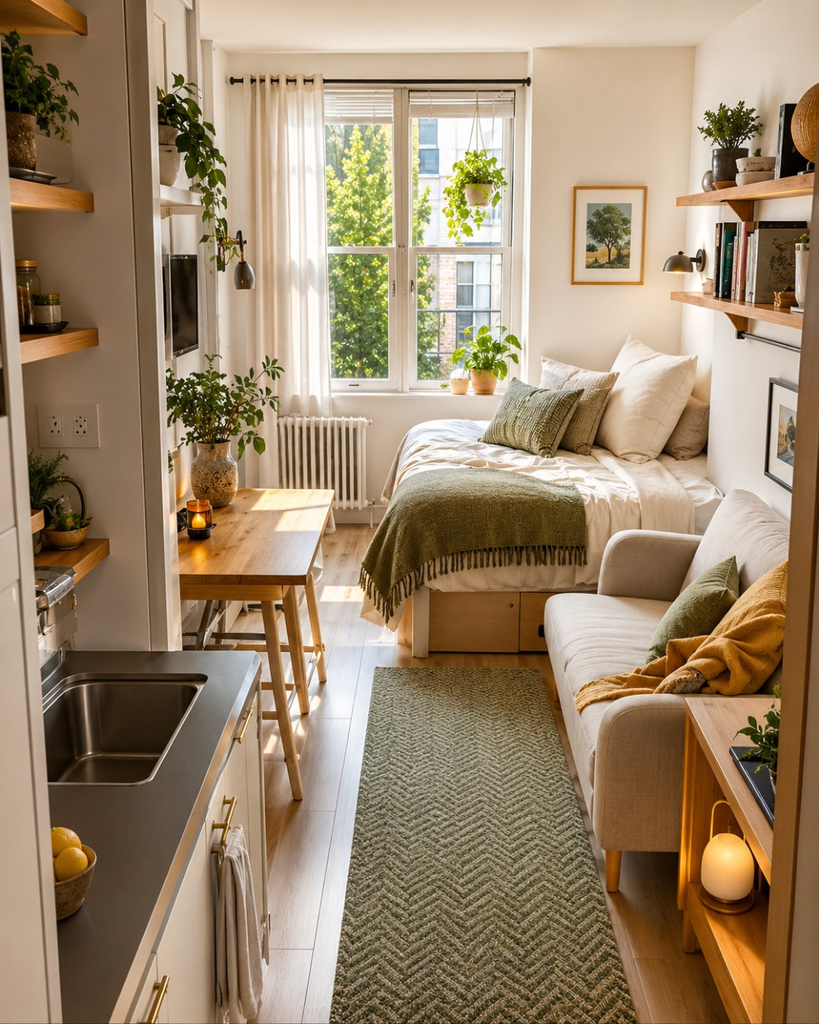
Everyone tells you to push furniture against the walls in a small space to “open up the middle.” Sometimes that’s right.
But if your main walking path cuts diagonally across the room, pushing everything to the perimeter can actually make you walk a longer, more awkward route, which makes the room feel more cramped, not less. Try floating a sofa a few inches off the wall to create a defined pathway behind it — it reads as intentional zoning instead of “we ran out of furniture ideas.”
Pro tip: Measure your main walking path before you decide anything else. If you can’t walk a straight line from your door to your kitchen without turning sideways, that’s the first problem to solve — not the color of your walls.
2. Choose furniture with visible legs
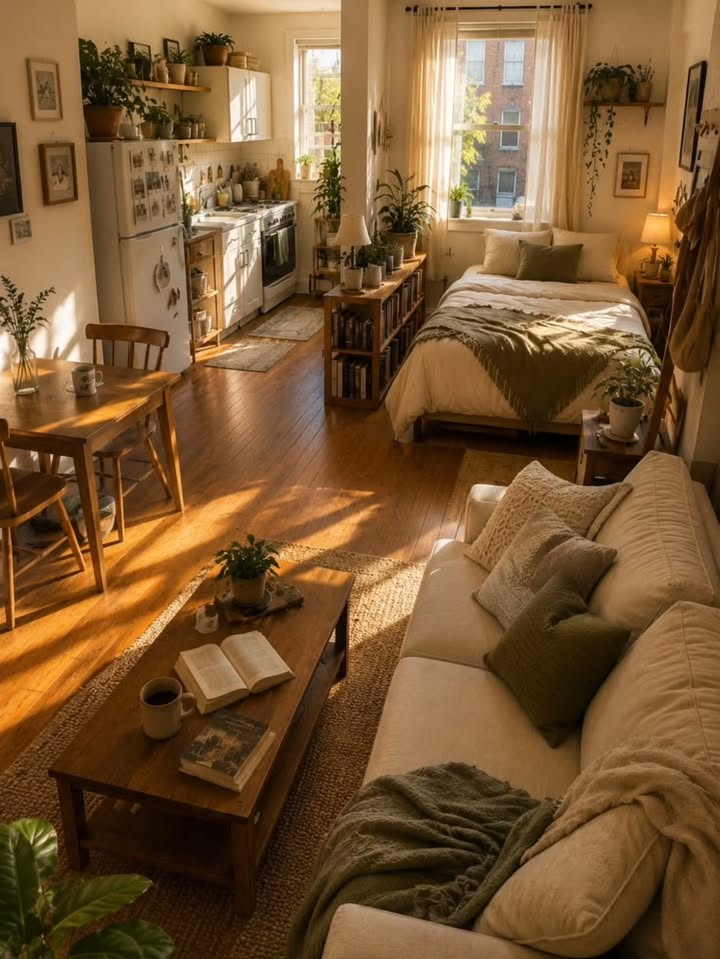
This one is almost too simple to believe works as well as it does. A sofa or armchair that sits flush to the floor blocks your sightline and reads as a solid mass. The same piece on slim, visible legs lets your eye travel underneath it, which your brain interprets as more open floor.
When I swapped my old boxy loveseat (skirted, sat right on the floor) for a mid-century-style one on tapered wood legs, people who’d been in my apartment before actually asked if I’d knocked down a wall.
3. Scale down, not just “small”
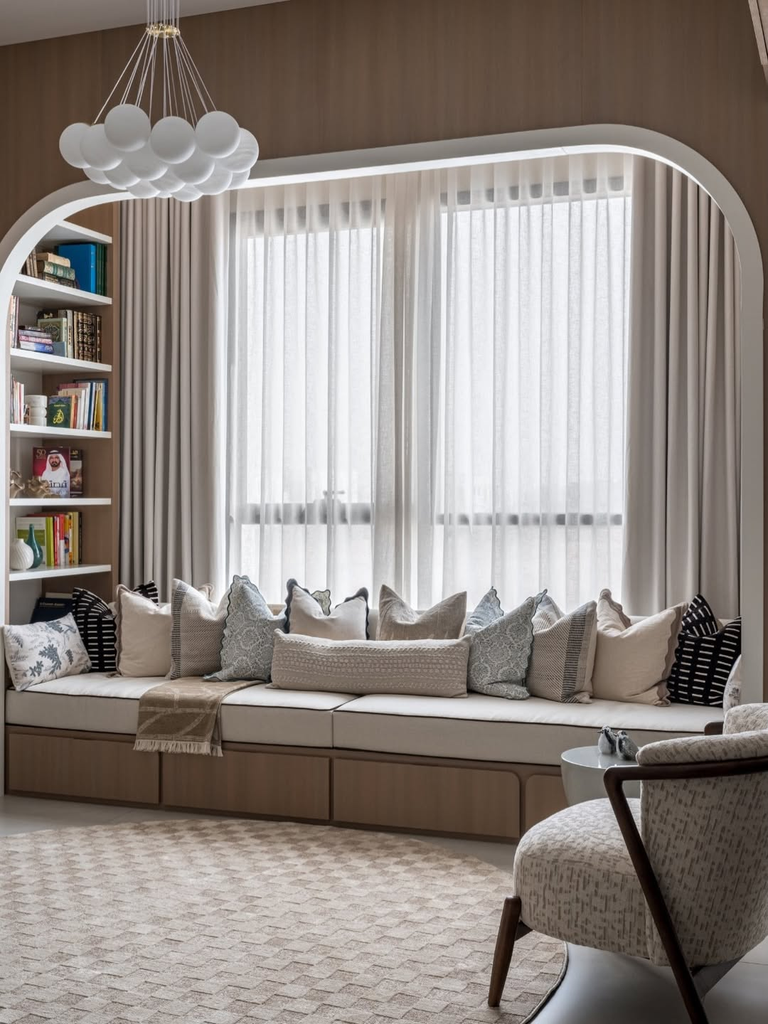
There’s a difference between small furniture and correctly scaled furniture. A tiny loveseat in a small room can actually look more cramped than a properly sized sofa, because the mismatch in proportions makes the room look like it’s compensating. Measure your space and buy for the room you have, not the smallest option in the catalog.
4. Anchor the room with one larger piece, not lots of small ones
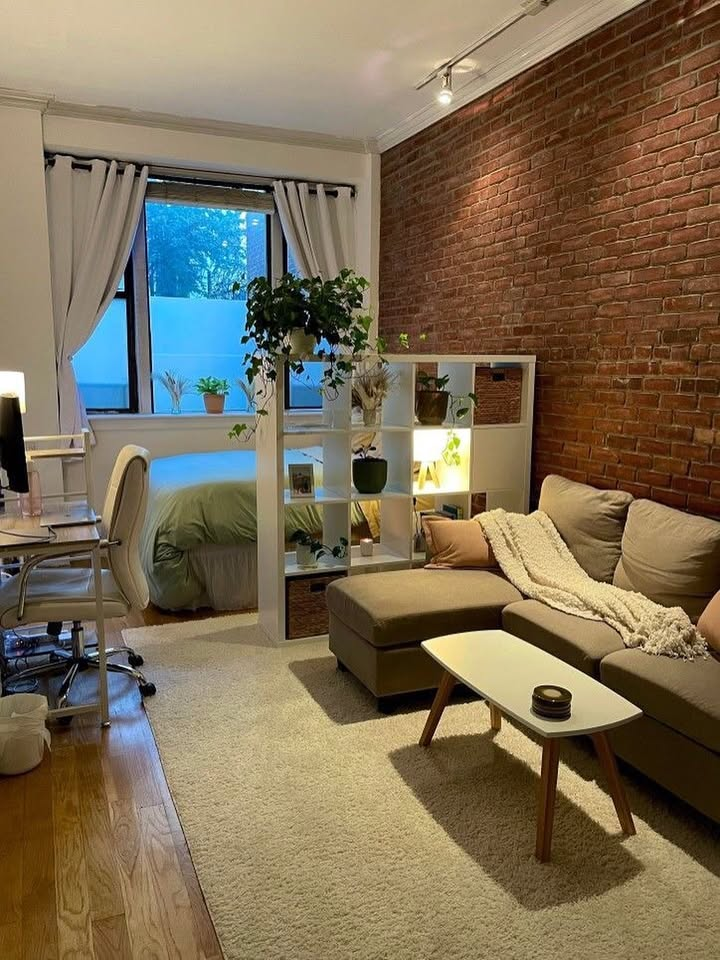
This is the mistake I made first: I bought five or six small furniture pieces thinking “small room, small furniture” and ended up with a room that looked cluttered and busy — nothing to rest your eyes on.
One well-scaled anchor piece (a sofa, a bed, a dining table) with a few smaller supporting pieces reads calmer than a bunch of equally-sized small items competing for attention.
Storage & Organization That Actually Holds Up
This is the section people skip to, and for good reason — storage is the actual daily-life problem in most small apartments, way more than aesthetics. I’ll be honest with you about what worked and what I returned.
5. Vertical storage over floor storage, always
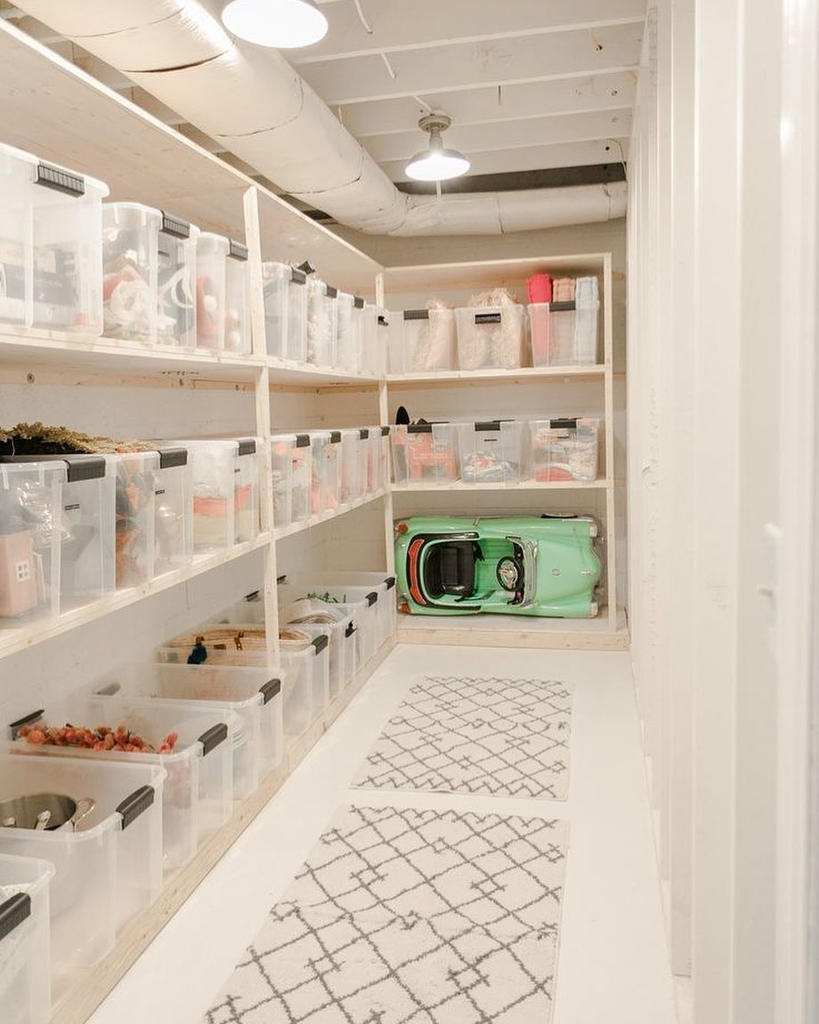
Floor space in a small apartment is the most valuable real estate you have. Every time you add a floor-standing storage piece, you’re spending that real estate. Wall-mounted shelving, over-the-door organizers, and tall narrow bookcases use square footage you’re not walking on.
My kitchen has almost no counter space, so I added a wall-mounted rail with hooks above the stove for utensils — freed up an entire drawer.
6. Skip the over-the-door shoe organizer with pockets — get the rack version instead
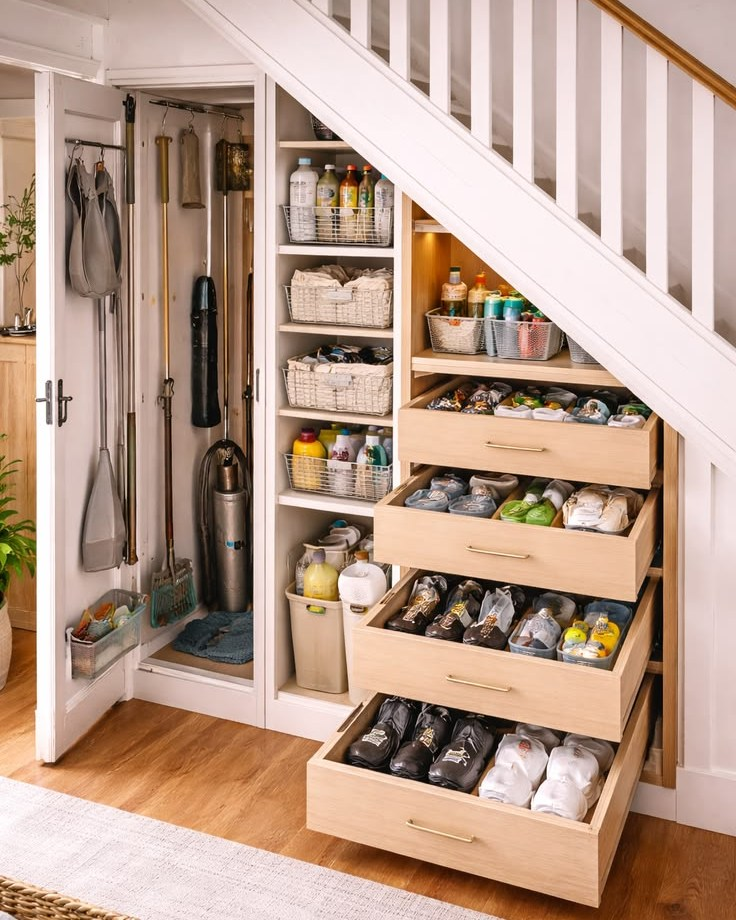
I want to save you $14. I bought the fabric over-the-door shoe organizer with the clear pockets, and within about five months the pockets had stretched out and stopped holding anything smaller than a boot. The wire rack style, where shoes sit heel-in on angled bars, has held up for two years in my front closet with zero sagging.
7. Use closet organizer systems designed for renters
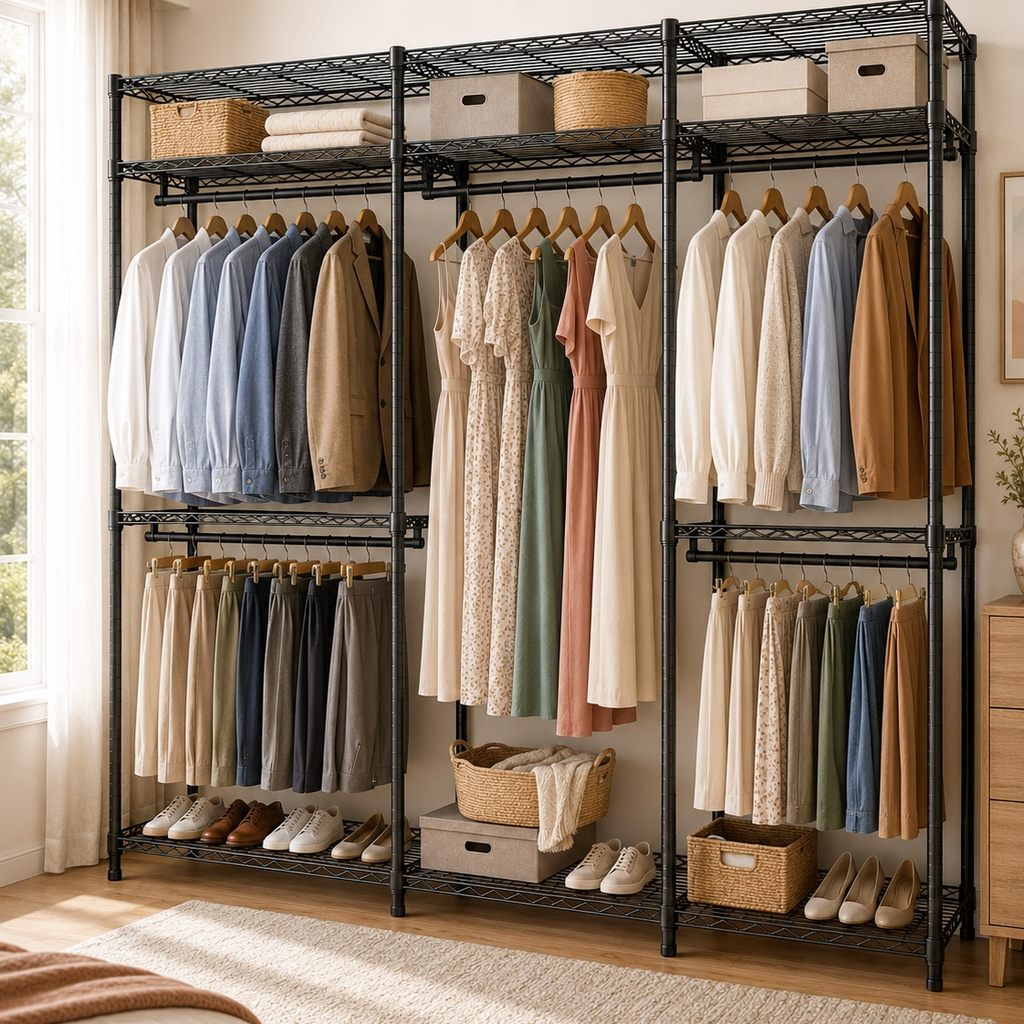
You don’t need to install anything permanent to fix a bad closet. Tension-rod closet systems, stackable drawer units, and adhesive hooks rated for the actual weight you’re hanging (check the rating — I learned this the hard way with a cast-iron pan) can completely reorganize a closet without losing your deposit.
8. Under-bed storage is non-negotiable in a studio
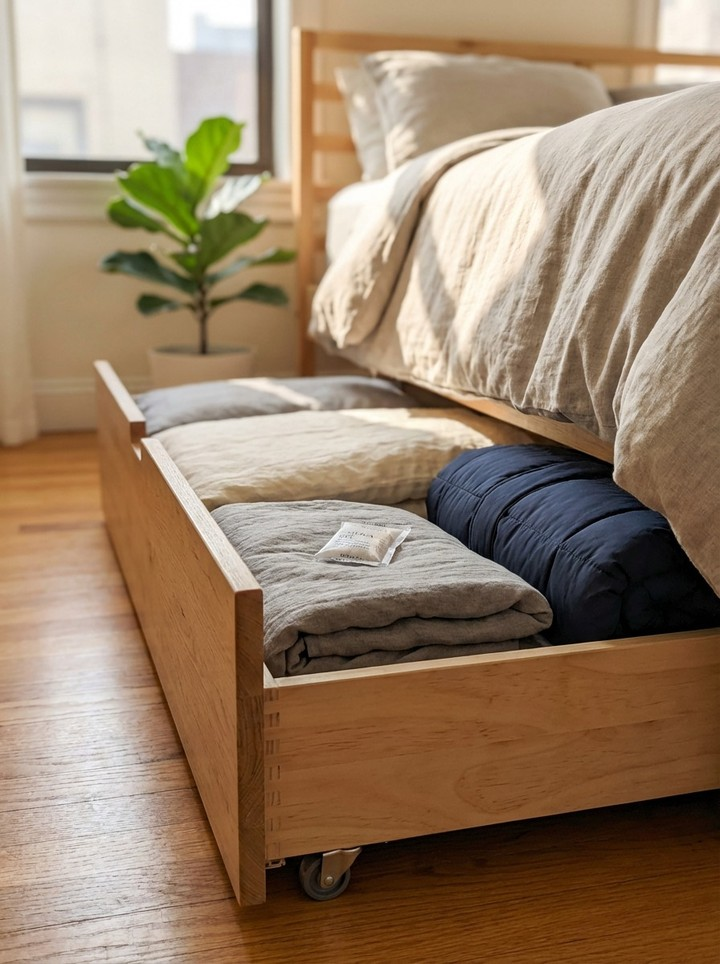
If your bed frame doesn’t have built-in drawers, get bed risers and add flat storage bins underneath. This is genuinely one of the highest-value storage additions you can make in a studio apartment — it’s square footage you’re already not using for anything else.
Pro tip: Buy bins with lids, not open bins. Dust accumulates fast under a bed, and open bins turn into a project every time you need something from them.
| Storage Solution | Best For | Approximate Cost | Watch Out For |
|---|---|---|---|
| Tension-rod closet system | Renters who can’t drill | $40–$90 | Weight limits — check before loading heavy items |
| Under-bed bins with lids | Studios, off-season clothing | $15–$35 for a set | Bed clearance height — measure before buying |
| Wall-mounted floating shelves | Kitchens, bathrooms, entryways | $10–$25 per shelf | Needs proper anchors in drywall, not just a nail |
| Over-the-door wire rack | Shoes, cleaning supplies | $20–$40 | Door weight capacity — heavier doors handle more |
| Stackable cube storage | Living rooms, closets, kids’ items | $60–$150 | Can look bulky if not paired with lighter furniture nearby |
9. Corral loose items into baskets — but label the ones you’ll actually forget
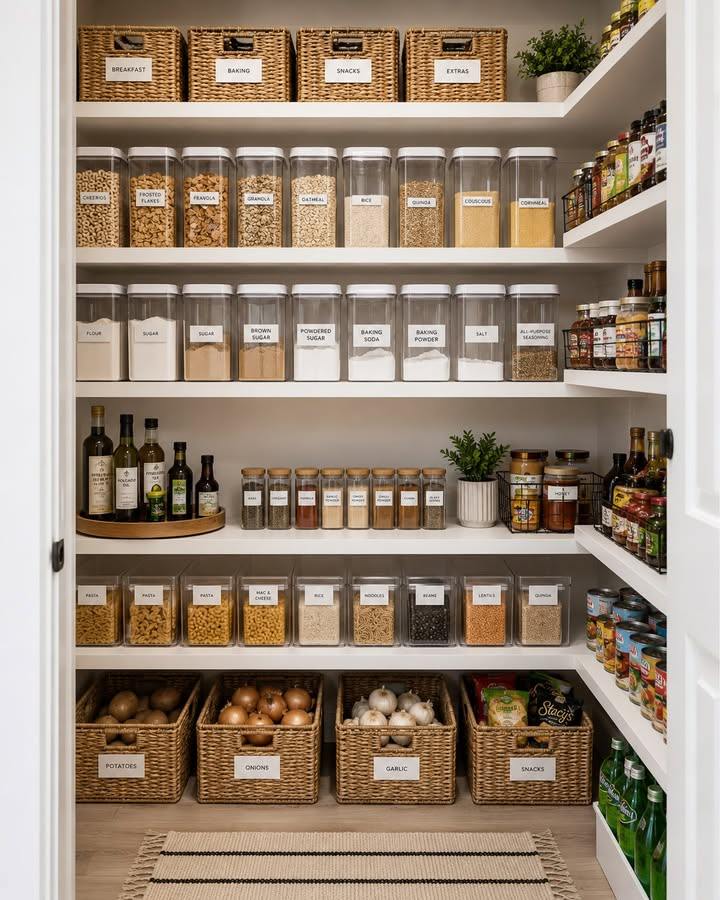
Baskets are a classic small-space trick because they hide visual clutter fast. The part nobody mentions: if you don’t label or mentally map what’s in each one, you’ll end up buying duplicates of things you already own because you forgot which basket has the extra phone chargers. I speak from experience — I currently own four packs of AAA batteries because of this exact problem.
10. A narrow console table doubles as an entryway catch-all
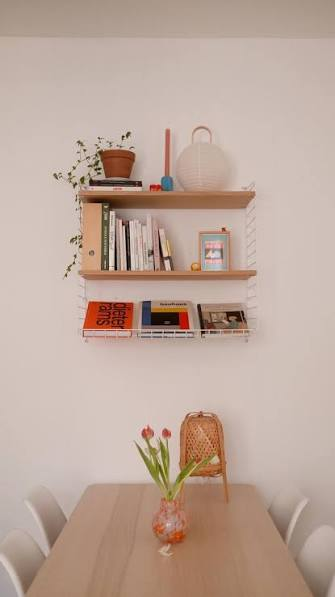
If you don’t have a mudroom or real entryway, a slim console table (12 inches deep or less) right by the door gives you a place to drop keys, mail, and bags before they end up on the floor or your only kitchen counter.
My friend Marcus swears this one change stopped his apartment’s daily “where are my keys” ritual entirely.
Light, Color & Optical Tricks That Genuinely Work
This is the category most small-space content leans on, sometimes to the point of exaggeration. A mirror will not double your square footage. But a few of these tricks do measurably change how a room reads.
11. Light, warm-neutral walls — but don’t assume “white” is simple
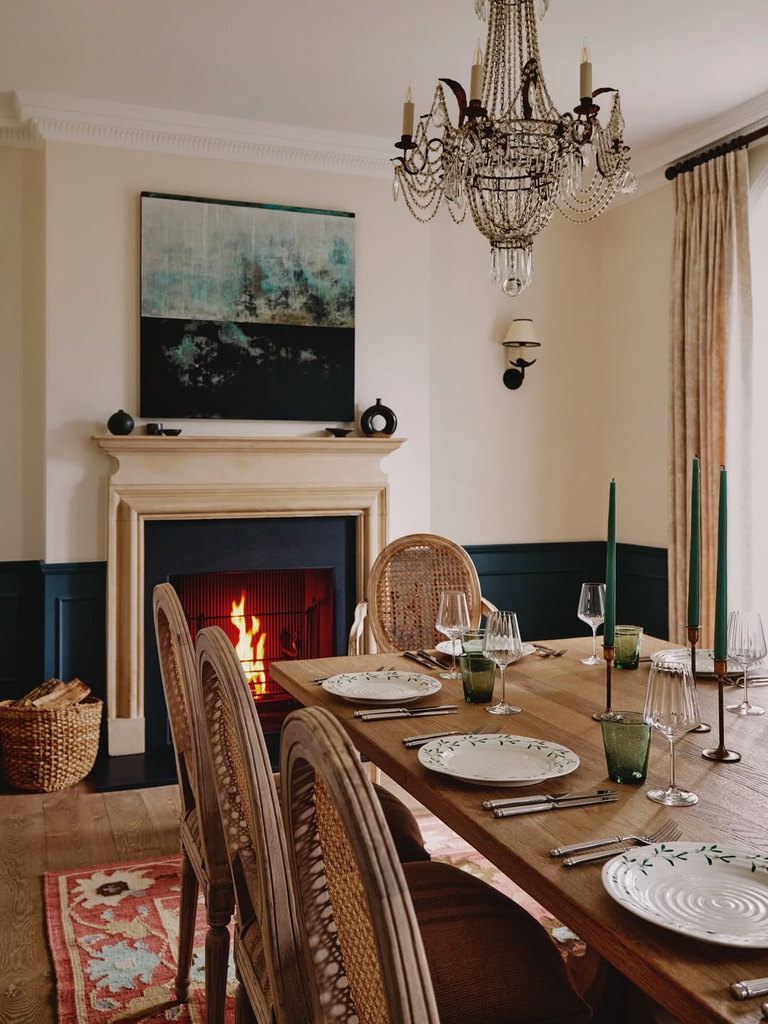
Everyone says paint your small space light and neutral to make it feel bigger, and that’s broadly true, but “white” is not one color — it has cool, warm, and even greenish or pinkish undertones depending on the light in your room.
My friend Sophia repainted her rental’s entryway closet doors twice before landing on the right white; the first one read gray and cold under her hallway’s yellow bulbs, the second looked almost blue next to her wood floors. Get sample pots and look at them at different times of day before committing to a gallon.
12. Keep your color palette continuous room to room
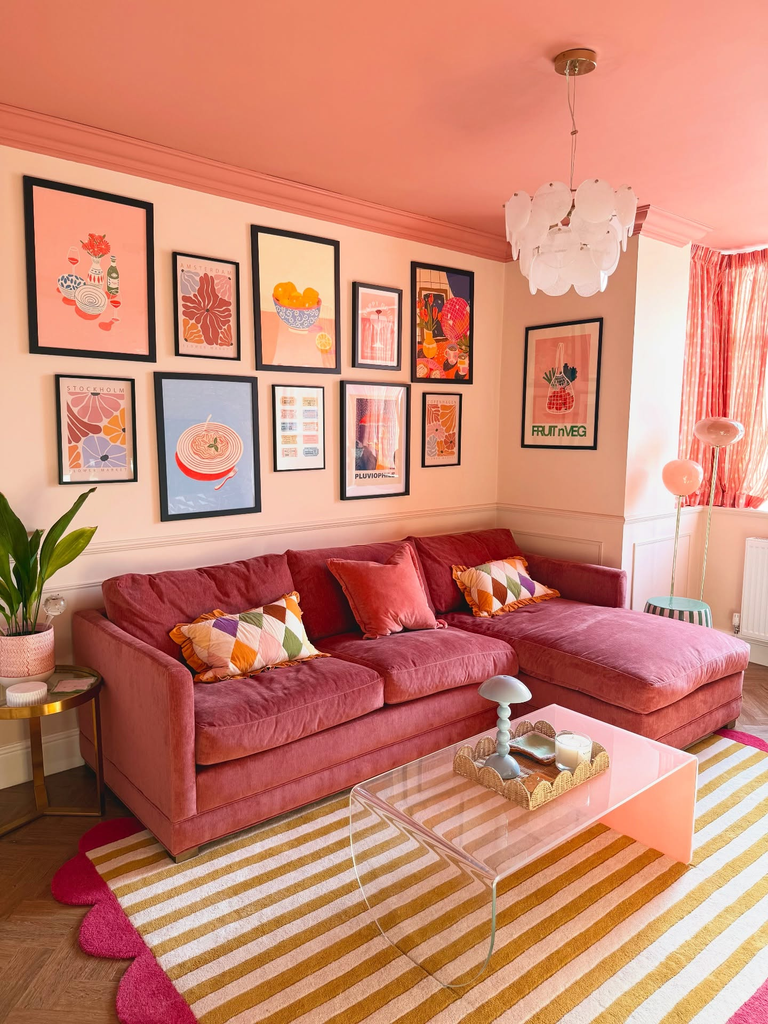
In a small apartment, hard color transitions between rooms (a blue kitchen next to a beige living room, for example) visually chop up your square footage and make each room feel like its own small box. Keeping walls, or at least trim, in a consistent tone lets your eye read the whole apartment as one continuous space.
13. Mirrors work — but placement matters more than quantity
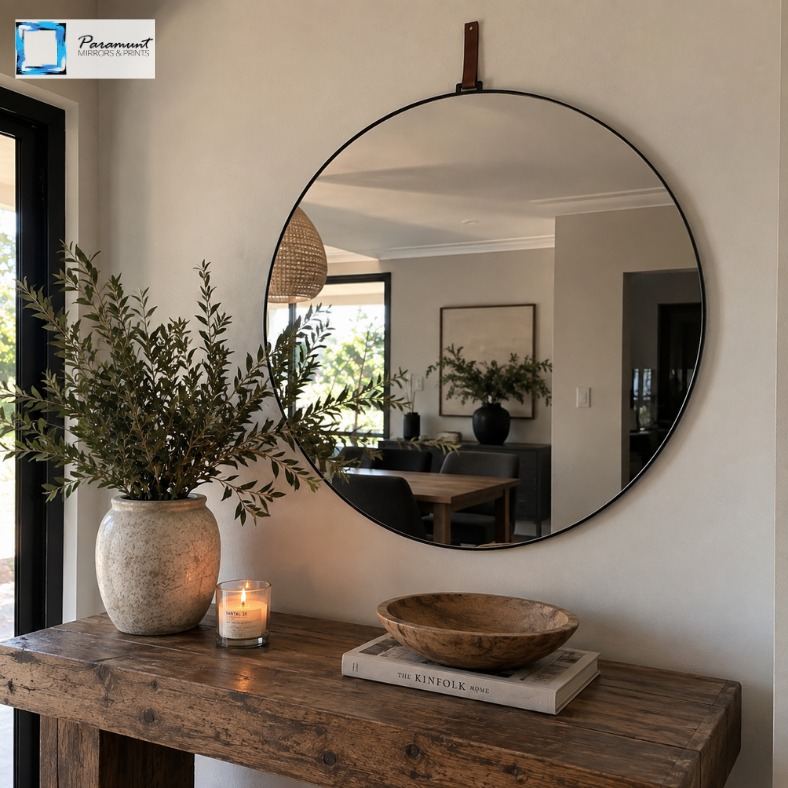
A mirror placed to reflect a window or a light source genuinely bounces light around a room and can make it feel more open. A mirror placed to reflect a wall or a piece of furniture just… reflects a wall.
I made this mistake with a large mirror over my couch that reflected my bookshelf — pretty, but it did nothing for the light or the sense of space. I moved it to reflect my one window instead and the difference was noticeable within the same day.
14. Layered lighting instead of one overhead fixture
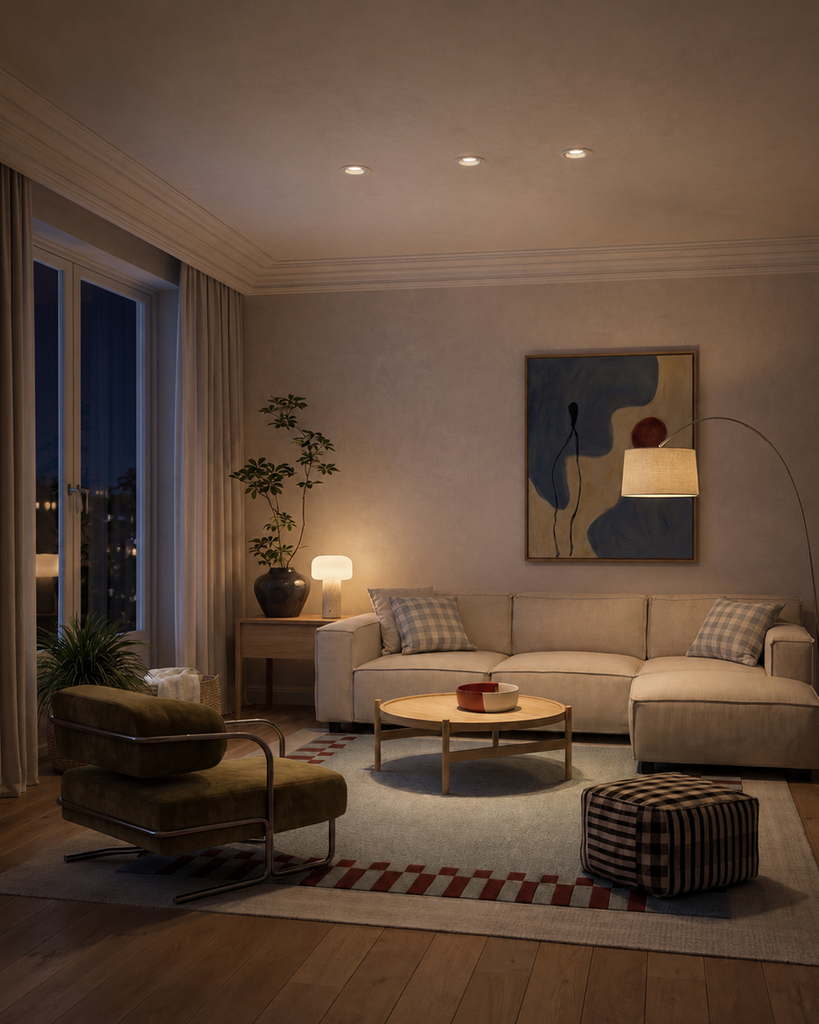
Most small apartments, especially older rental units, come with a single center-ceiling light that casts flat, unflattering light across the whole room. Adding a floor lamp, a table lamp, and maybe under-cabinet lighting in the kitchen creates depth and makes the room feel considered rather than like a waiting room. This is a cheap fix — you likely already own lamps, you just haven’t spread them out.
Pro tip: Warm white bulbs (2700K–3000K) read as cozier and more flattering in small living spaces than daylight bulbs (5000K+), which tend to feel closer to office lighting.
15. Vertical stripes or tall, narrow art draw the eye up
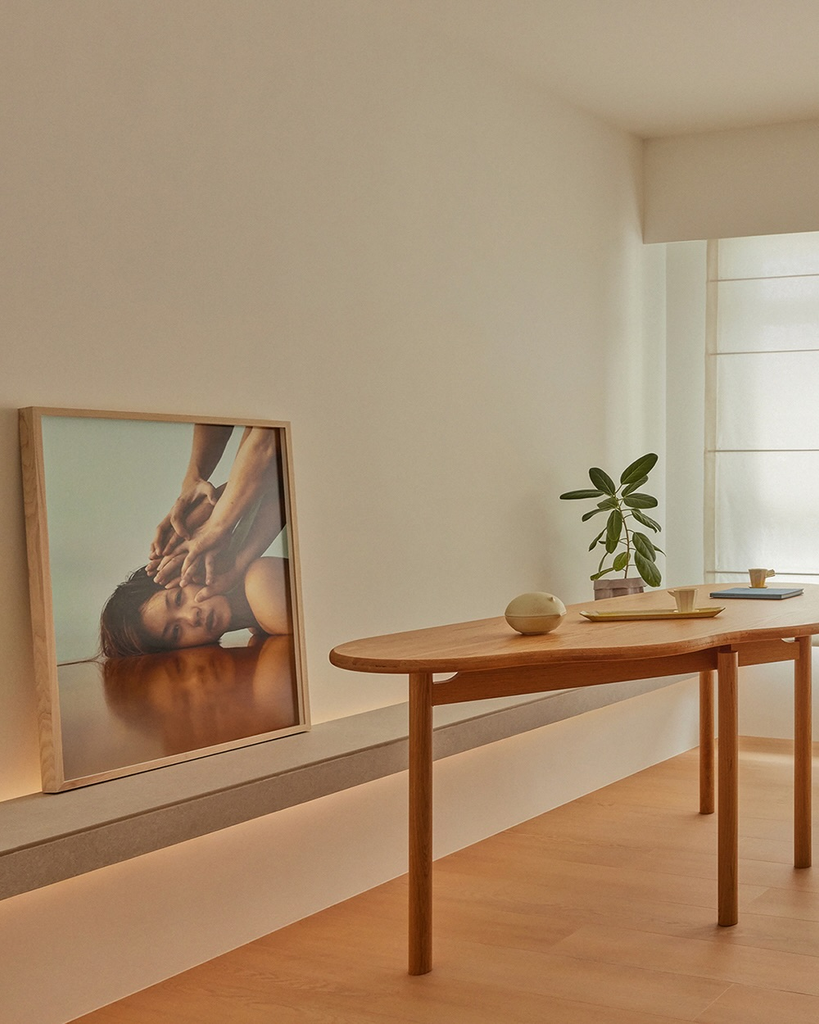
Tall bookcases, vertically oriented artwork, and floor-to-ceiling curtains all pull your eye upward, which makes ceilings feel higher and rooms feel taller — even if the actual square footage hasn’t changed at all.
Textiles, Softening & Making It Feel Like Home
A small apartment that’s purely functional can start to feel more like a storage unit than a home. This is the category that fixes that, without adding clutter.
16. Hang curtains higher and wider than your window frame
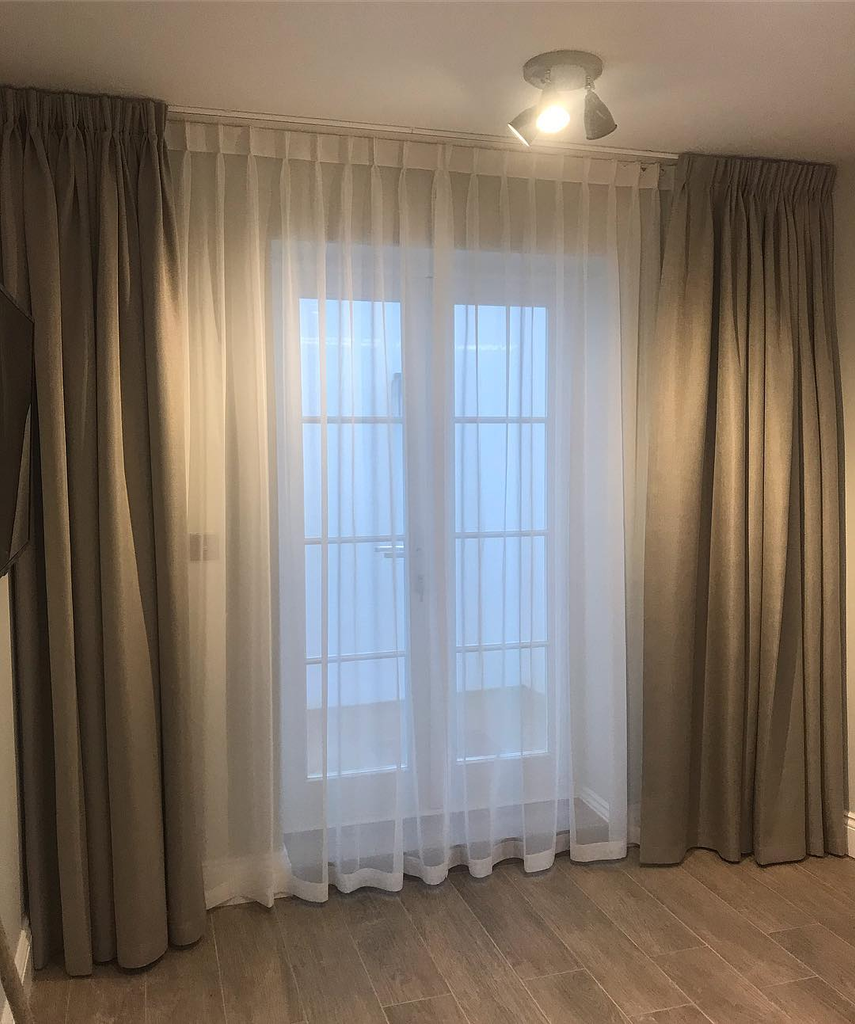
This is a small change with an outsized effect. Mounting curtain rods a few inches above the window frame, and a few inches wider on each side, makes the window itself look larger and the ceiling look taller when the curtains are open. It’s one of the cheapest changes on this whole list and one of the most noticeable.
17. One statement rug can define a “room” inside an open layout
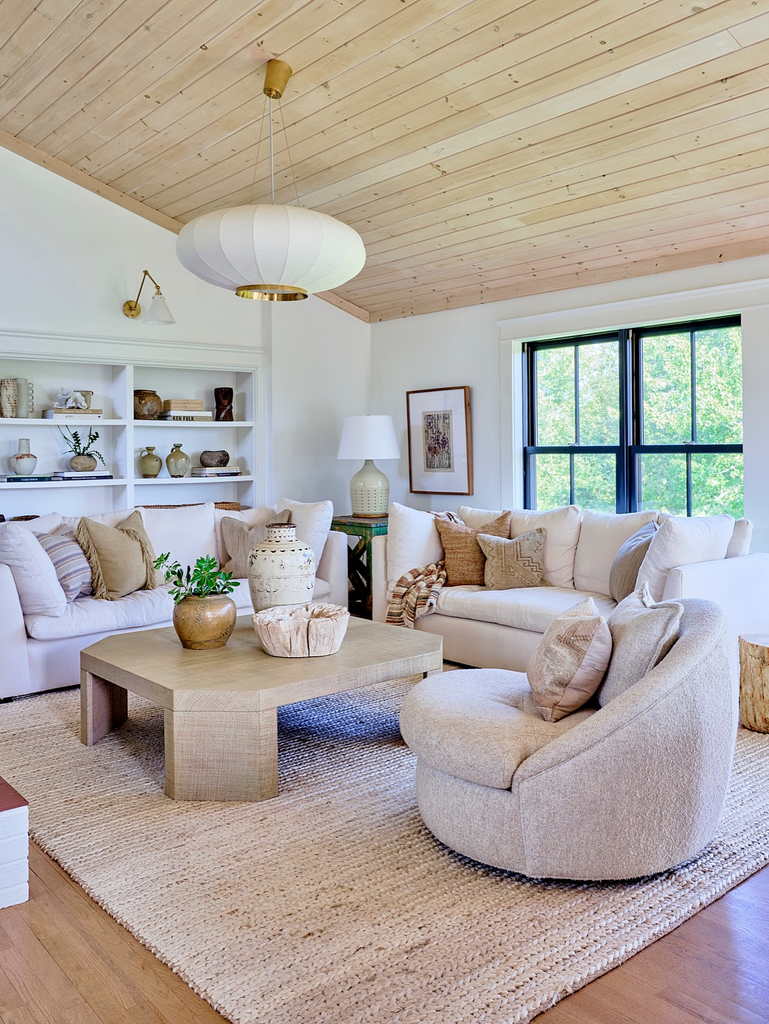
If you’re in a studio or an open-concept apartment, a rug is doing more than softening the floor — it’s telling your eye where the living room ends and the bedroom area begins, without adding a wall or losing square footage to a room divider.
18. Don’t skip window treatments even in a tiny space
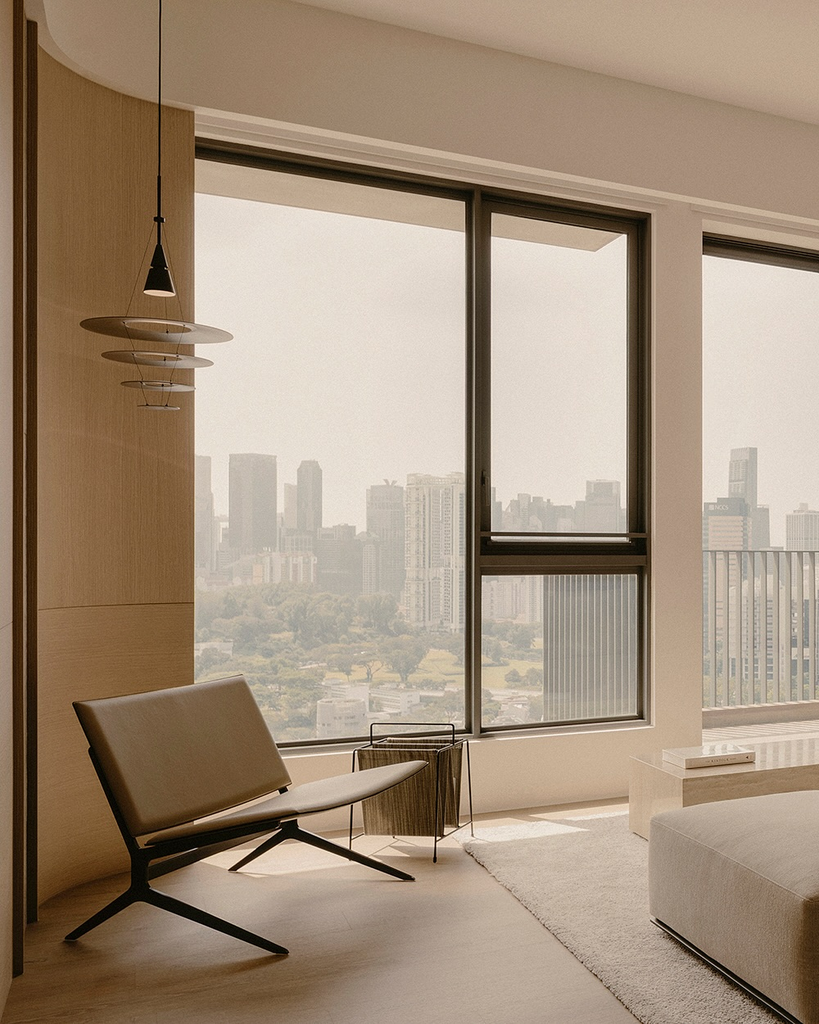
Bare windows in a small apartment can feel exposed and stark, which paradoxically makes the room feel smaller and less finished, not bigger. Sheer curtains let light through while still softening the room.
19. Textured throws and pillows, but edit the number
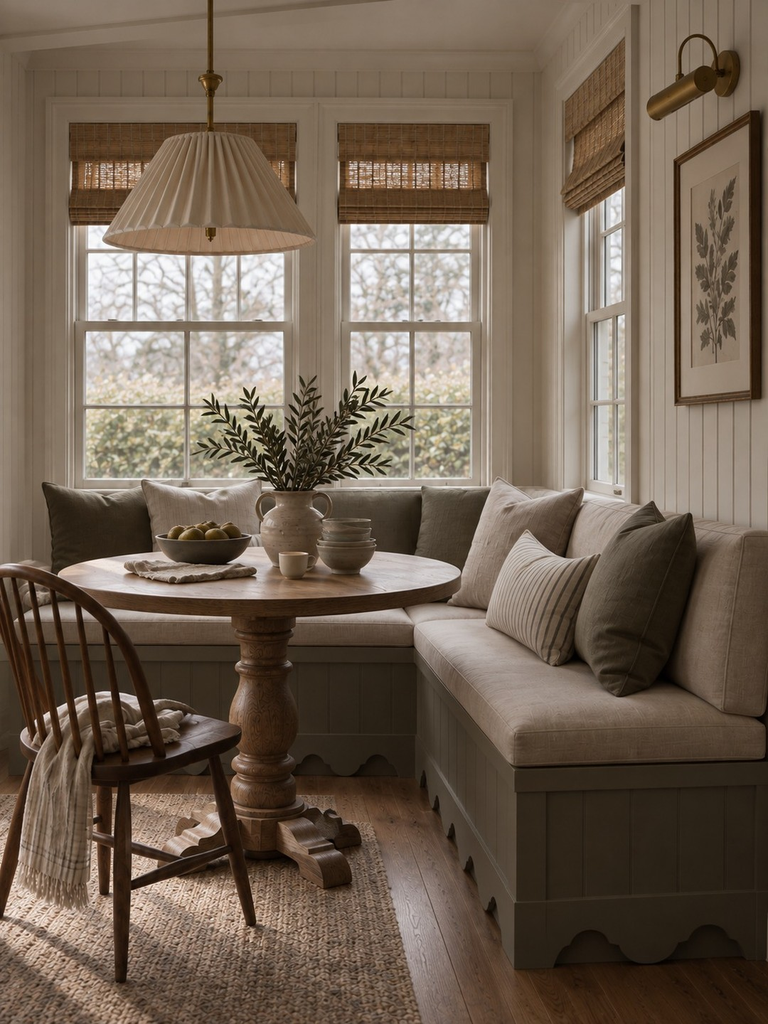
A couch with 8 throw pillows in a 300-square-foot living room is going to eat your seating space and read as cluttered rather than cozy. Two to three well-chosen pillows and one textured throw does the “lived-in” job without the visual noise.
Multi-Functional & Space-Saving Furniture
This is where the real budget conversation lives — multi-functional furniture tends to cost more upfront than buying single-purpose pieces separately, but it saves you from needing two pieces of furniture where one will do.
20. A storage ottoman replaces a coffee table and a linen closet
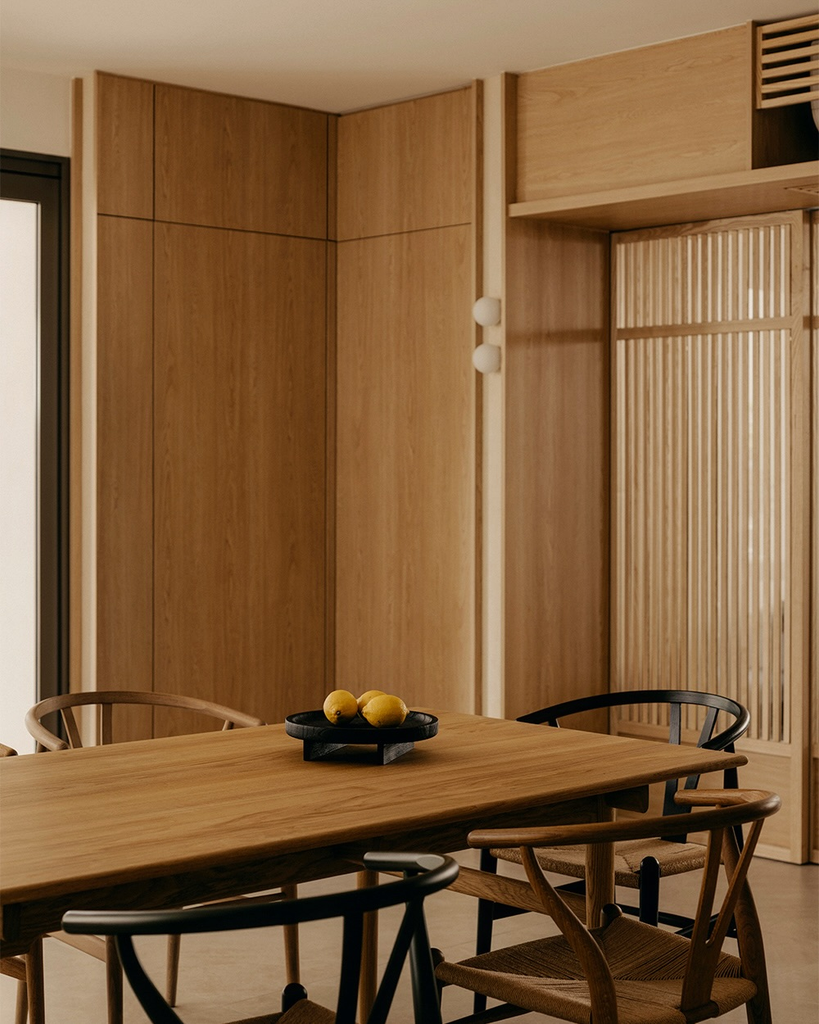
Ottomans with lift-off tops or hinged lids give you a coffee table, extra seating when you have guests, and hidden storage for blankets or off-season items — three functions in the square footage of one piece.
21. A daybed or trundle solves the “no guest room” problem without a guest room
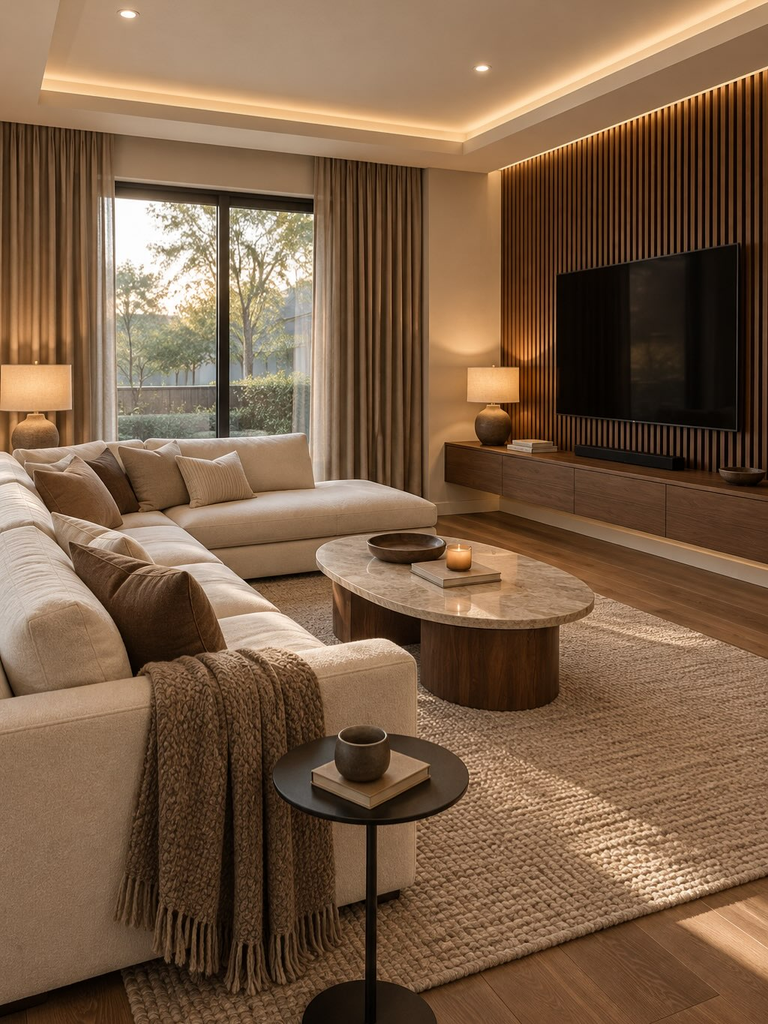
If you’re in a one-bedroom and occasionally host overnight guests, a daybed in a home office nook does double duty far better than a permanently-made-up guest bed taking up space 350 days a year.
22. Nesting tables instead of one fixed coffee table
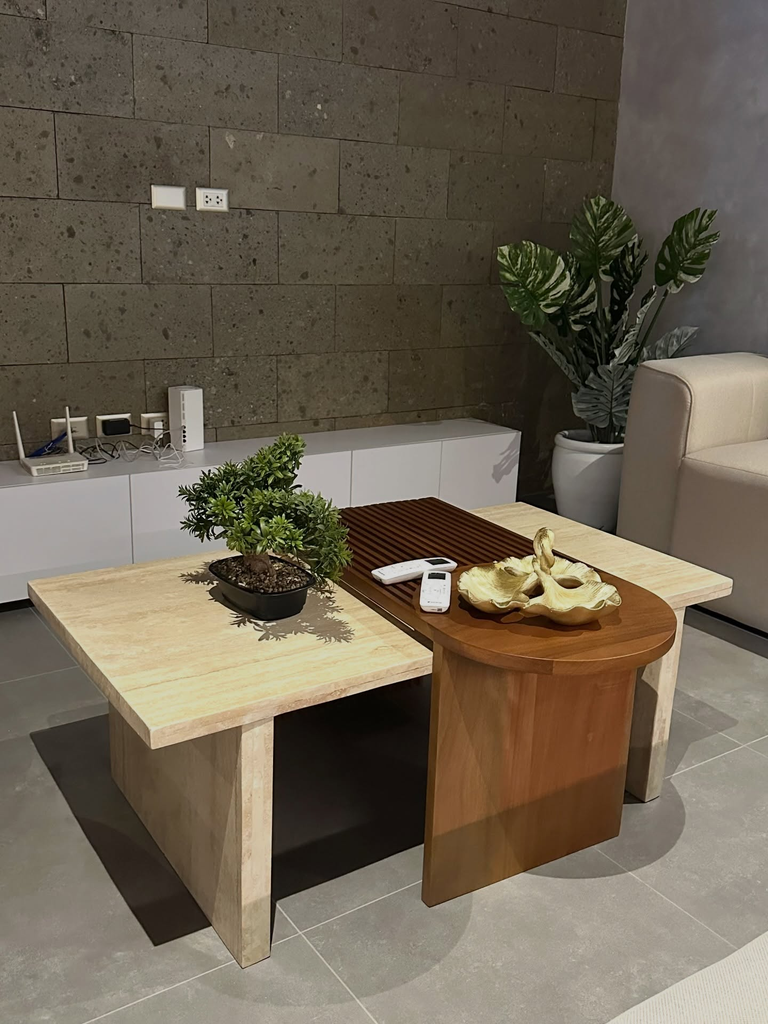
Nesting tables let you expand your surface area when you actually need it — movie night, working from the couch, hosting friends — and tuck back down to almost nothing the rest of the time. This solved a real problem for me: I used to not have anywhere to put a laptop and a coffee at the same time.
23. Wall-mounted or drop-leaf dining tables for tiny kitchens
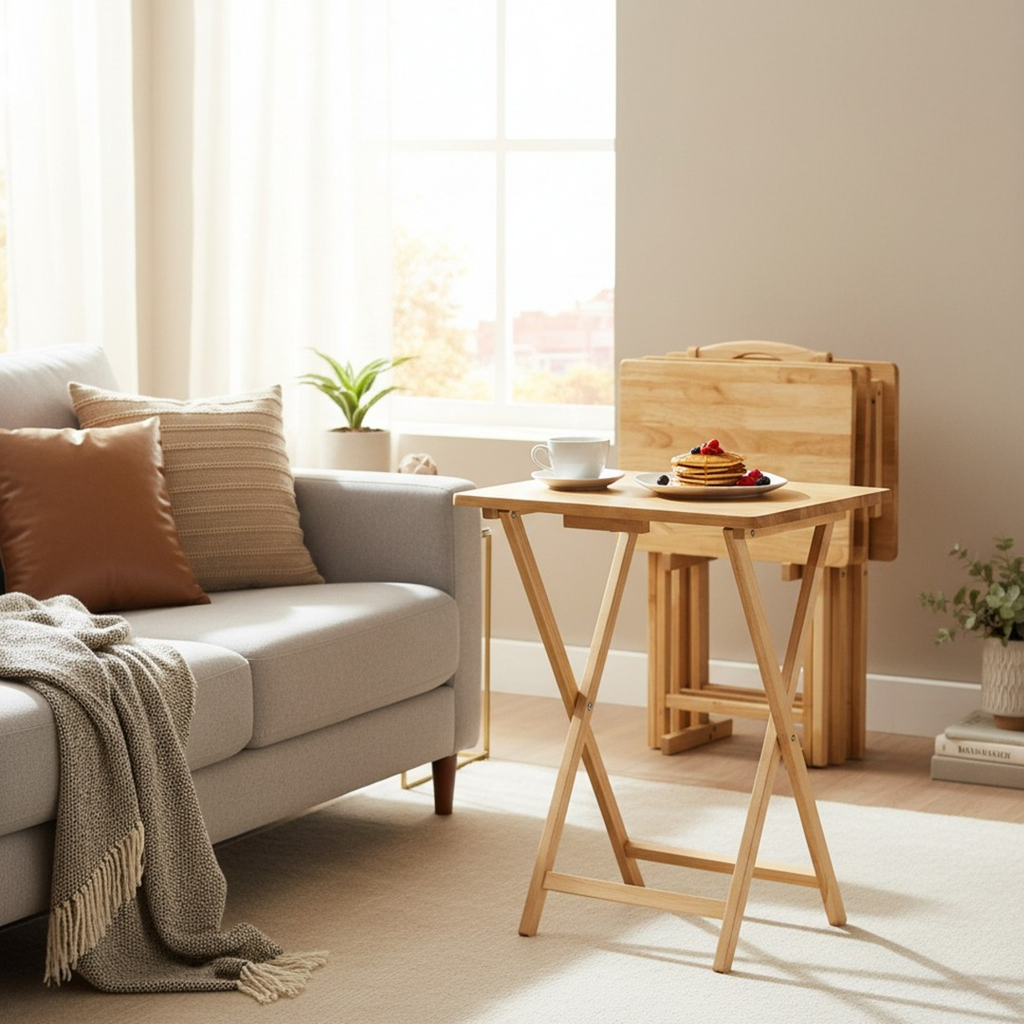
If your kitchen or dining nook can’t fit a standing table, a drop-leaf or wall-mounted folding table gives you a real eating surface when you need it, and gives the floor back the rest of the time. My studio apartment’s “dining room” is genuinely just 18 inches of wall space, and a fold-down table has been the single most-used purchase I’ve made for that apartment.
Pro tip: Before buying any multi-functional piece, measure it in its expanded state, not just its folded state — this is the measurement people forget, and it’s the one that determines whether it’ll actually fit your room when you need to use it.
Small Details That Pull It All Together
24. Use the back of doors and the insides of cabinets
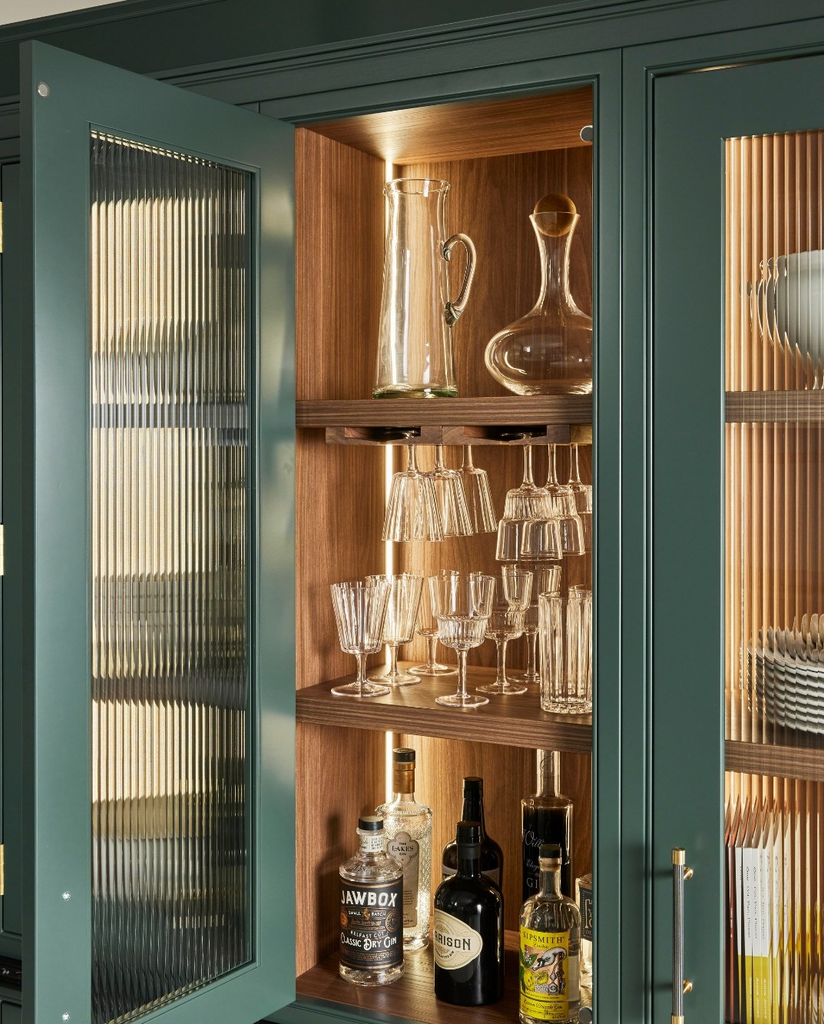
Adhesive hooks, small shelves, and organizers on the inside of cabinet doors or the back of your bathroom or closet door add real function in space you’re not using for anything else. This is one of the highest square-footage-to-dollar returns on this whole list.
25. Edit before you decorate
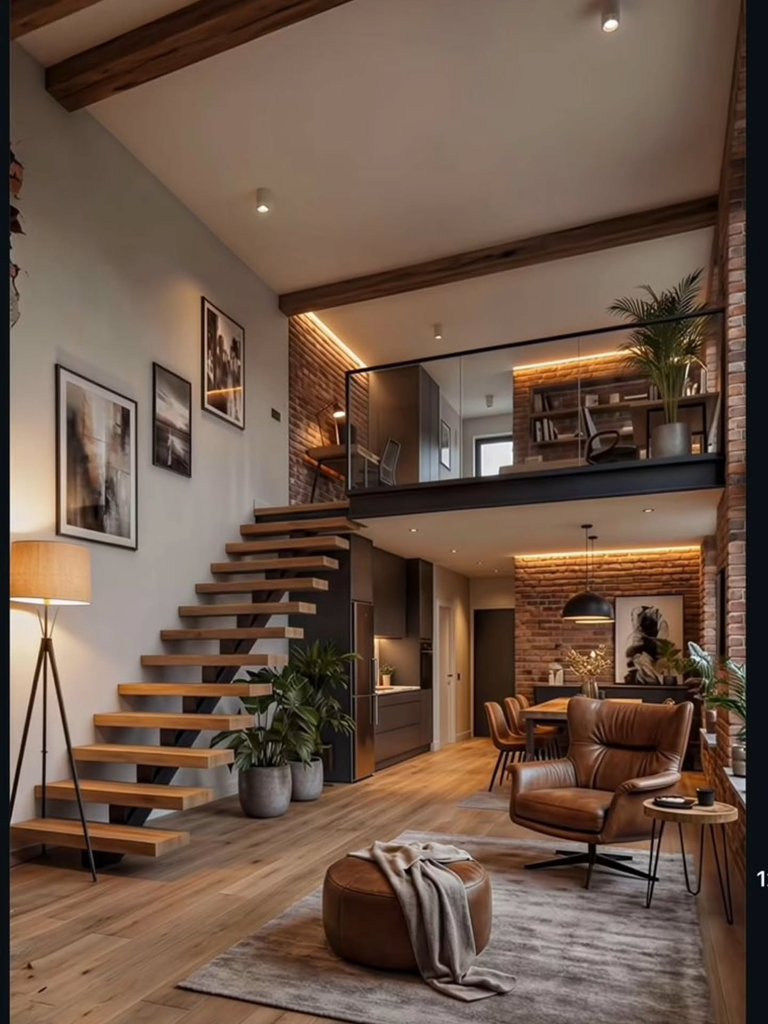
This one isn’t a product, it’s a habit, and it’s honestly the idea on this list that made the biggest difference in my apartment overall. Every time I’ve added something new to a small space, I’ve tried to remove or donate something else.
It sounds obvious, but a small apartment has a finite visual and physical capacity, and every item you add without subtracting anything pushes it a little further toward feeling cramped, no matter how good your storage system is.
What I’d Do First If I Were Starting Over
If I had to pick just a handful of these to do in order, knowing what I know now: I’d fix my furniture layout and walking path first, because no amount of decorating fixes a bad floor plan. Then I’d handle real storage — under-bed bins, a proper closet system, vertical shelving in the kitchen — because that’s the stuff that affects your daily life, not just how the apartment photographs.
Only after that would I get into paint, mirrors, and lighting, because those are the finishing touches, not the foundation.
None of this requires a full renovation or a big budget all at once. Most of what actually changed my apartment cost under $30 per item, and a few of the biggest wins — like float-mounting furniture or moving a mirror to catch the light — didn’t cost anything at all. Start with whatever’s actually bothering you day to day, not whatever looks best in a “before and after” photo, and the rest will follow.





Leave a Reply