
Category: Composting
-
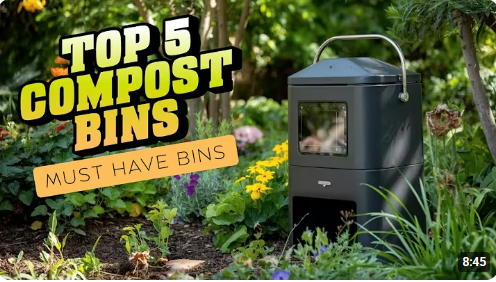
Top 7 Outdoor Compost Bins for Garden and Yards
Composting helps you grow a beautiful garden and make use of organic waste. By doing composting, you are not only playing your part in environmental conservation, but you are also going towards a greener world by improving your garden condition. One should be particularly careful while selecting composting bins for keeping in your garden or…
-
10 Best Indoor Compost Bins – Keep Kitchen & Apartments clean
Composting helps you in turning organic waste materials into black gold; fertilizer. It is an excellent way to produce cheap manure for your garden and plants, and at the same time, it helps you in saving the environment from the worst impacts of decaying organic waste. In this review, we are going to review the…
-
Can You Compost Outside In Winter?
Technically Yes. You can compost outside in winter, but it will take longer than in summer. The reason is simple; the decomposition rate depends on temperature, which drops once it drops. Decomposition, the core of the composting process, is rapid between 90° and 140°F (32 – 60°C). The decomposition rate decreases as the temperature decreases (goes below…
-
Can You Compost Coffee Grounds and Filters?
Yes. You can compost coffee grounds and filter. Apart from coffee grounds and filters, you can also compost used coffee beans and paper tea bags (with string and paper tag but excluding the steel pin). Coffee grounds are brown in color, but they are a green material. They are rich in nitrogen and contain approximately…
-
Can I Put Rhubarb Leaves On My Compost Heap?
Yes. You can compost rhubarb leaves. Rhubarb leaves are poisonous because of high levels of oxalic acid, and many people avoid putting them in a compost heap. Contrary to this belief, oxalic acid degrades rapidly and has no impact on compost quality. How to Compost Rhubarb Leaves? Compositing rhubarb leaves is no different than composting…
-
Can I Compost Potatoes? A Complete Guide!
Potatoes and compost have a complicated relationship, and it’s not as simple as you witness a typical interaction between compost and other organic matters. You can surely compost potatoes, but you have to be very careful while composting them. Potatoes are highly susceptible to diseases, especially blight. If your potatoes show signs of any diseases,…
-
Can You Put Banana and Orange Peels in Compost?
Before throwing your banana and orange peels into the dust bin, just think about for a minute how useful these peels can be. You can compost these peels just like your other kitchen scrape. Both banana and orange peels can be used as a replacement for fertilizers and insecticides directly in your garden. Moreover, you can compost…
-
How to Prevent Maggots in Kitchen Compost Bin?
So you’ve found maggots (larvae of flies; whitish to transparent worm-like organisms) in your kitchen compost bins and wondering how they got there. You are at the right place. The more important part is how to deal with them. Maggots can enter kitchen compost bins for various reasons, like food waste in the bin, too…
-
How to Make Organic Compost from Kitchen Waste?
Kitchen composting is making organic compost from kitchen waste like food scraps. The compost (final product), when added to soil, enriches it and helps grow better plants and crops. This guide explains how you can organic compost from kitchen waste! Different Ways to Make Organic Compost from Kitchen Waste Composting is easy once you get…
-
How to Start a Compost Bin in an Apartment?
Many people wonder if they can compost in apartments. While there are no gardens in an apartment, many people grow plants like mint, chives, parsley, lavender, and green plants (salads). Composting provides nutrient-rich soil that is great for plants. This article explains how you can start a composting bin in an apartment. 3 Ways to…