
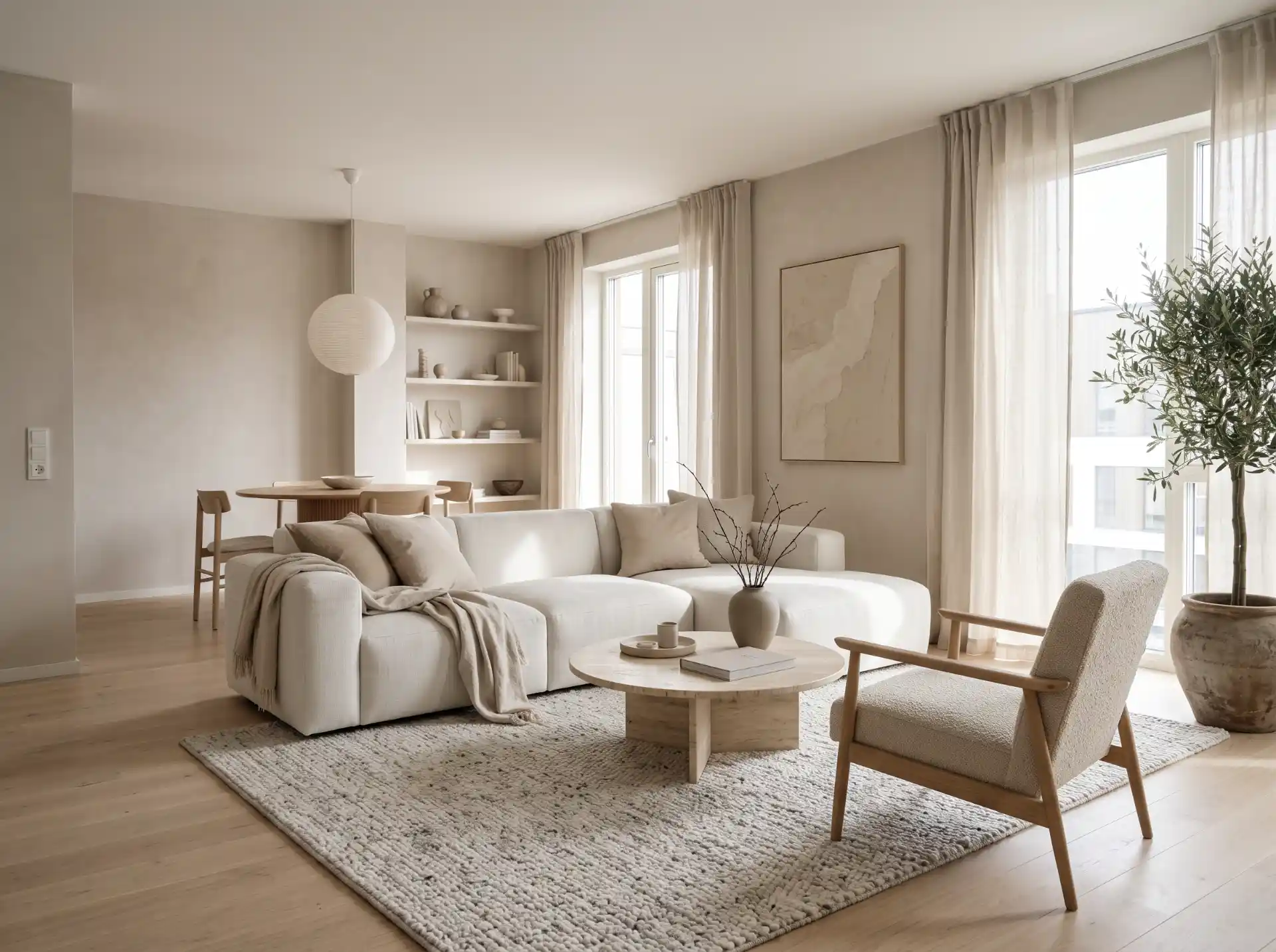
The first apartment I ever decorated in all neutrals looked like a dentist’s waiting room. Beige couch, beige walls, a beige rug I’d bought because it was $60 and “went with everything.” It did go with everything. It also made me feel nothing, and I spent about four months wondering why a space with zero clutter still felt restless.
The problem wasn’t the neutrals. It was that I’d stripped out color and forgotten to put anything back: no texture, no warmth, no variation in tone. Once I figured that out, neutral apartment decor went from boring to the thing I now recommend to almost everyone who tells me their place feels chaotic but they don’t want to commit to a bold palette.
This list is for renters, small-space dwellers, and anyone who wants a minimalist apartment that feels calm instead of cold. I’ve kept it practical: what each idea solves, how to do it without losing your deposit, and what it realistically costs. A few of these are cheap fixes you can do tonight. A couple are worth saving for.

First, Understand What “Neutral” Actually Means
Most people hear neutral and picture beige or gray. In practice, a neutral palette is any set of low-saturation colors that sit comfortably together: creams, warm whites, oatmeal, taupe, sand, soft charcoal, and the natural tones of wood, linen, and stone.
The thing that trips everyone up is undertone. Every neutral leans warm (yellow, pink, or red underneath), cool (blue, green, or gray underneath), or sits somewhere in between. Mix a warm cream with a cool gray and the room looks slightly “off” even though nobody can say why. Here’s a quick cheat sheet I wish I’d had.
| Neutral | Undertone | Best for | Watch out for |
|---|---|---|---|
| Warm white / cream | Warm (yellow) | Walls, curtains, bedding in low-light apartments | Can look yellow next to bright white trim |
| Greige | Balanced | Walls and sofas; the safest mix-and-match shade | Can go flat in north-facing rooms |
| Oatmeal / sand | Warm | Sofas, rugs, throw blankets | Shows no contrast unless you add texture |
| Taupe | Warm-gray | Accent furniture, headboards, drapes | Can read muddy in dim light |
| Soft charcoal | Cool or warm | Small anchoring pieces, frames, lamp bases | Too much makes a small room feel smaller |
| Pure bright white | Cool | Bathrooms, kitchens with lots of natural light | Feels clinical next to wood and linen |
Pick one direction, warm or cool, and stay with it. For a calm minimal look in an apartment, I almost always lean warm, because apartment lighting is rarely flattering and warm neutrals forgive it.
Neutral Palette and Wall Ideas
1. Commit to a Warm Leaning Palette Before You Buy Anything
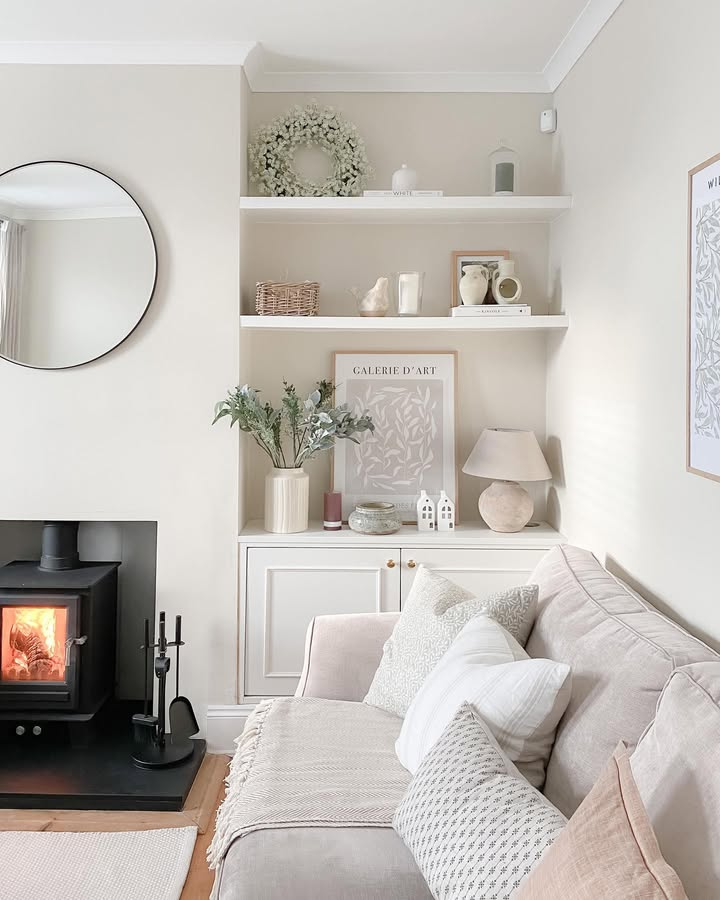
The reason so many neutral rooms feel disjointed is that people buy pieces one at a time and hope they match. Decide your undertone first, then shop. Take a sample of your floor, your countertop, or your sofa, whatever you can’t change, and figure out what it leans toward. Everything else should agree with that.
A reader named Dana emailed me about her living room that “just felt wrong” despite being all white and gray. Her landlord’s flooring had a distinct orange-gold tint, and her cool gray sofa was fighting it every day. She swapped the sofa throw and curtains for warm oatmeal and cream, kept the sofa, and said the room finally relaxed. No new furniture needed.
Pro tip: Take your phone, snap a photo of your flooring in daylight, and hold paint chips and fabric swatches against the screen at home. The camera exaggerates undertone slightly, which is exactly what you want when you’re hunting for clashes.
2. Paint Walls a Soft Off White (Even in a Rental)
Bright builder-white walls bounce harsh light and make every scuff visible. A soft warm white or pale greige instantly makes a space feel quieter. If your lease allows painting, this is the single highest-impact change on this list, and a one-bedroom usually costs $80 to $150 in paint and supplies if you do it yourself.
If painting isn’t allowed, ask anyway. Many landlords will say yes if you promise to repaint to the original color on move-out, or if you offer to leave the improved walls behind. And if the answer is no, you can still get 70% of the effect with the textiles and lighting ideas below.
3. Try Peel and Stick Only Where It Won’t Fight Your Walls
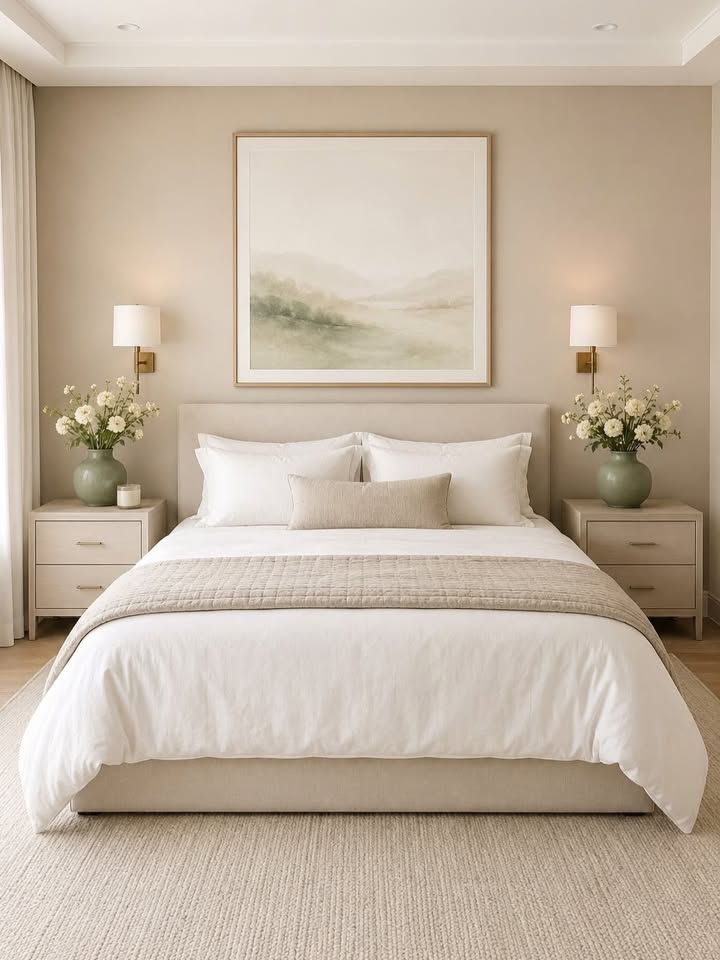
Peel-and-stick wallpaper in a subtle linen or grasscloth texture can add depth to a bedroom wall behind the bed.
I’ll be real with you: I’ve seen it done well on exactly one wall and badly on four. On textured rental walls the edges lift within a few months. Use it on smooth, freshly cleaned drywall, press it down with a plastic card, and stick to one accent wall.
Texture and Fabric Ideas That Keep Neutral Rooms From Looking Flat
4. Layer Three to Five Different Textures in Each Room
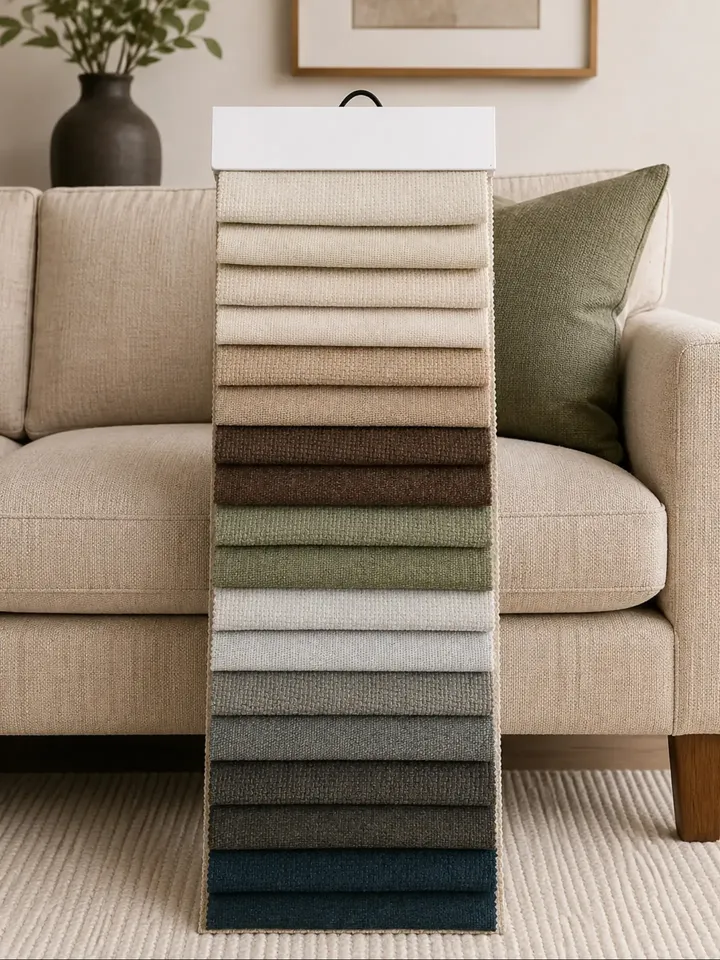
This is the fix for the dentist’s waiting room problem. When color is quiet, texture does the visual work. Aim for at least three distinct materials per room, for example a nubby bouclé chair, a smooth ceramic lamp, a woven jute rug, and a linen curtain.
If every surface has the same sheen and weave, the eye has nowhere to land and the room reads as bland.
A simple test: squint at your room. If everything blurs into one flat tone, add contrast in texture, not color.
5. Hang Linen or Linen-Blend Curtains High and Wide
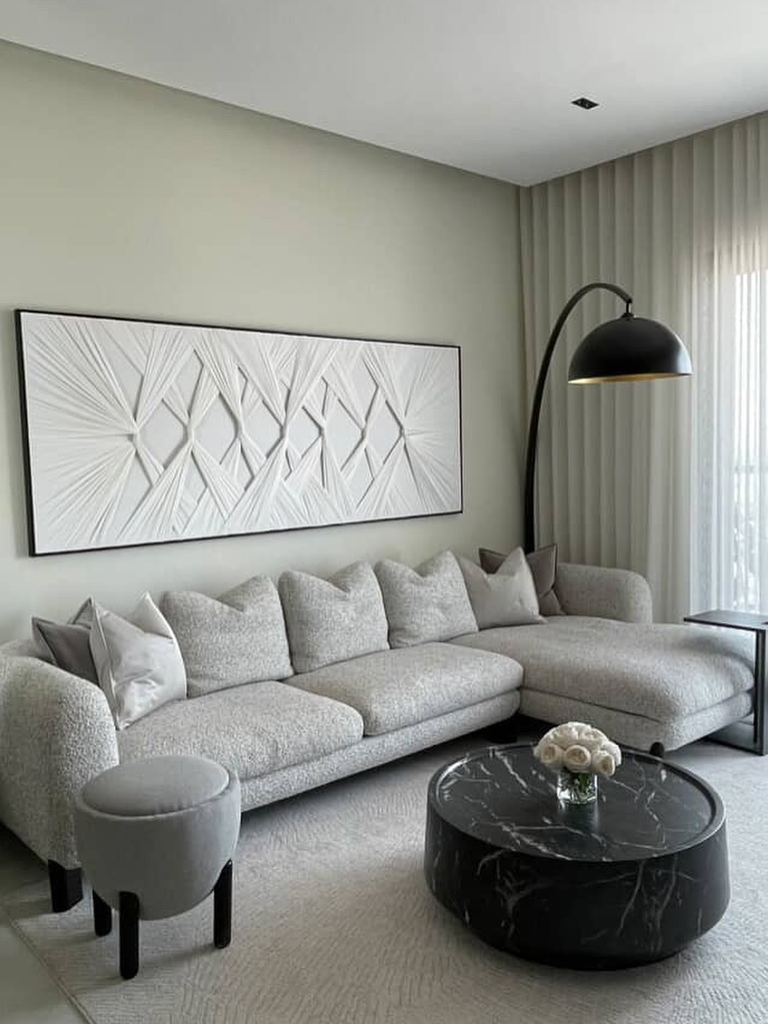
Curtains are the quickest way to make a small apartment look more expensive. Hang the rod 4 to 6 inches above the window frame, or even close to the ceiling, and extend it past the frame on each side so the fabric doesn’t cover the glass. The room feels taller and the light spreads more softly.
Real linen wrinkles, which is part of the charm, but linen-blend or washed polyester “linen-look” panels cost a lot less and need almost no ironing.
Expect to spend $30 to $80 per panel for something decent. Skip anything glossy or too thin, because sheer panels in a bedroom let the streetlight in.
Pro tip: Tension rods and adhesive hooks work fine for lightweight curtains in rentals, but if you hang heavy lined drapes, use proper screw-in brackets and fill the holes with spackle when you leave. The small patch job is easier than replacing a fallen rod.
6. Choose Low-Contrast Bedding in Two or Three Tones
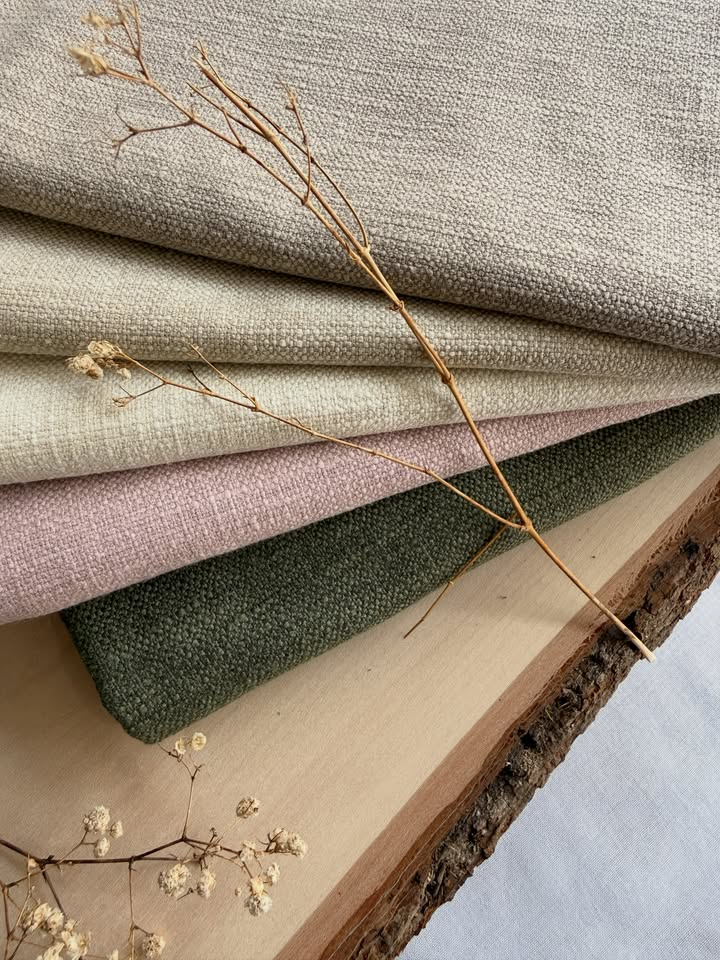
A calm bedroom depends on bedding that doesn’t shout. Think white or cream sheets, a slightly darker oatmeal duvet, and one textured throw at the foot of the bed.
Avoid pure white against pure charcoal, because that high contrast feels graphic and busy.
I switched to stonewashed linen sheets a couple of years ago and the difference in how my bedroom looks is bigger than the difference in how it feels, which surprised me.
Linen sets are pricey, often $180 to $300, but a cotton percale set in cream looks nearly as good for under $90.
7. Anchor the Room With One Large Neutral Rug

The most common rug mistake in apartments is buying one that’s too small, so the furniture floats around it. For a living room, at least the front legs of the sofa and chairs should sit on the rug, which usually means a 5×8 minimum and often an 8×10.
In a studio, a large rug is also what visually defines the living zone.
Flat-weave and low-pile rugs in jute, wool blends, or washable polyester are the most apartment-friendly. They’re easier to vacuum, they don’t trap as much dust, and they’re easier to carry when you move.
Furniture and Layout Ideas for a Minimalist Apartment
8. Buy One Good Sofa in a Performance Fabric
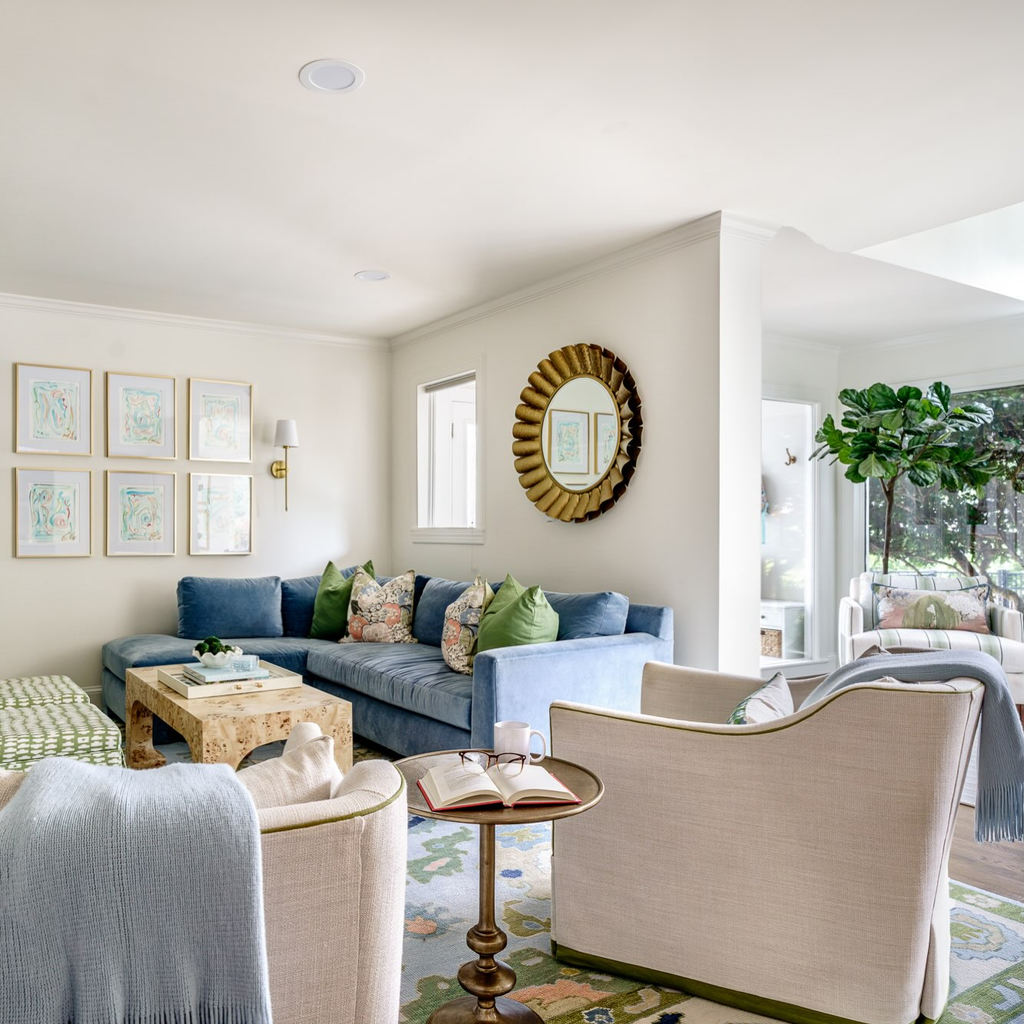
If you’re going to splurge on one thing in a neutral apartment, make it the sofa. A light oatmeal or greige sofa is the visual centerpiece of the whole look, and it’s also the piece that will show every coffee spill.
Performance fabrics, the kind rated for stain and wear resistance, make light neutrals actually livable.
I tried a cream linen sofa first. It lasted about five months before a glass of red wine and a dog made the decision for me. Look for sofas with removable, machine-washable covers if you share your space with pets, kids, or roommates.
9. Bring In Warm Wood Tones to Keep It From Feeling Sterile
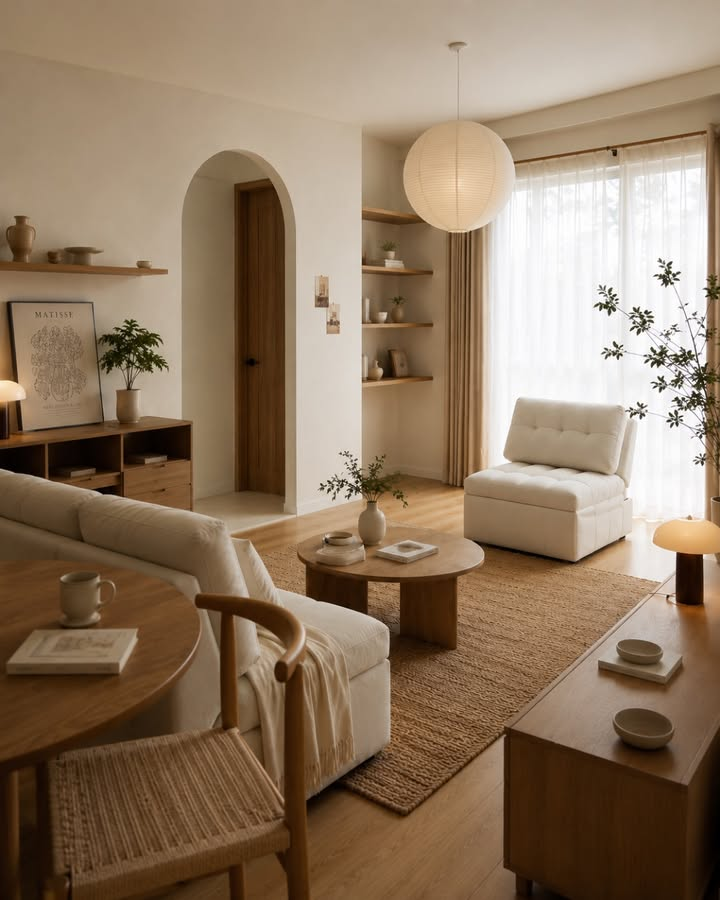
Wood is the fastest way to add warmth to a neutral palette without introducing color. A light oak coffee table, a walnut side table, or even just a couple of wooden frames can make a cream-and-white room feel inviting.
Stick with one or two wood tones across the whole space rather than matching everything.
If your landlord’s cabinets or flooring are a wood tone you dislike, don’t fight it. Pick furniture in a similar undertone and let the wood read as intentional.
10. Choose Furniture With Visible Legs and Slim Profiles
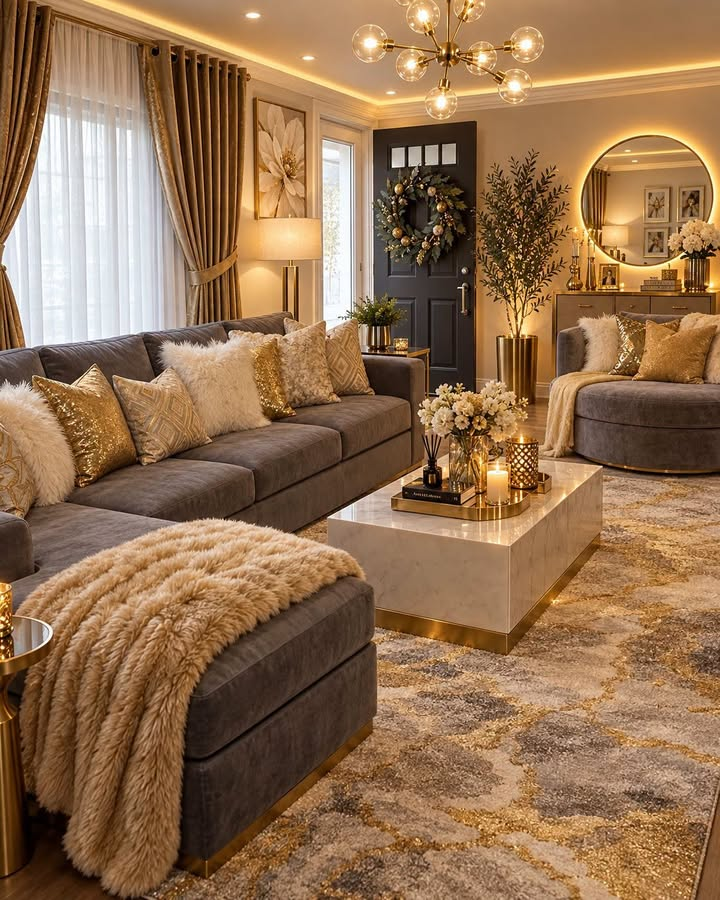
In a small apartment, a sofa that sits low to the floor with no visible legs eats up visual space. Furniture raised on legs lets you see the floor underneath, and that unbroken floor makes the room feel larger.
The same goes for a bed frame, a console, or a TV stand.
This matters most in apartments under 600 square feet. In my own 410-square-foot studio, swapping a skirted sofa for a leggy one made the room look like it gained a foot of width, with no change in actual size.
11. Use Closed Storage to Hide the Visual Noise
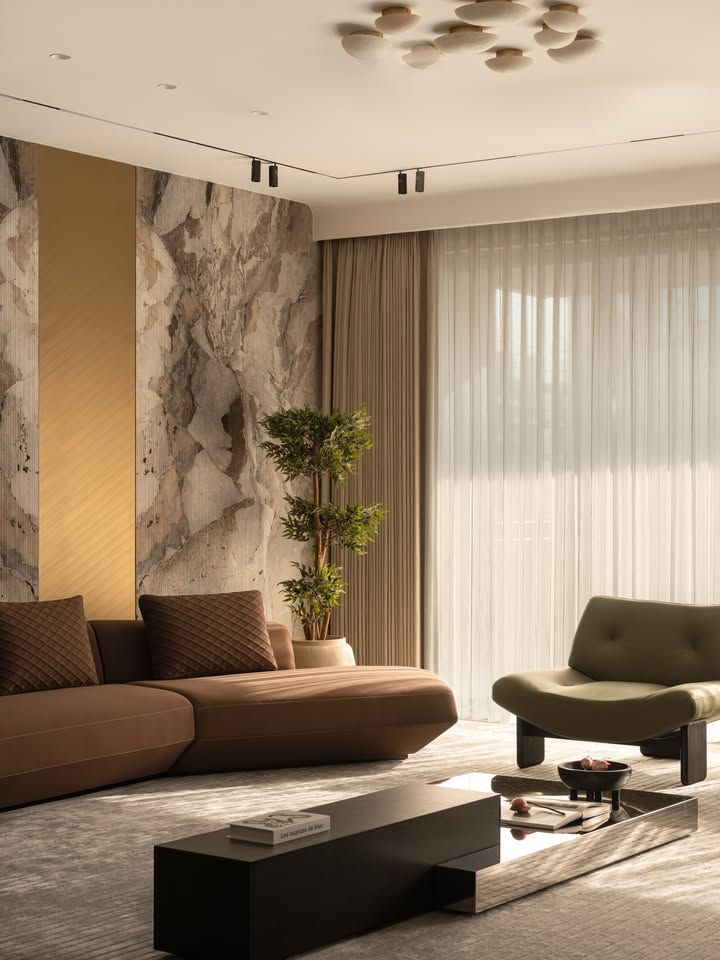
Minimal doesn’t mean you own nothing. It means your stuff isn’t on display. Closed storage, like a cabinet with doors, lidded baskets, or an ottoman with a hinged top, is what keeps a neutral room calm. Open shelves are lovely, but only if you’re willing to curate them constantly.
A cheap, reliable setup: cube shelving with fabric or woven bins in a single color. The bins hide the clutter and the shelf stays tidy no matter what’s in it. It’s also one of the best small-space organization tricks I know, because it works in a studio, a dorm, or a one-bedroom.
Pro tip: Buy all your baskets and bins in the same material and color, even if you get them over a few weeks from different stores. Mismatched baskets bring back exactly the visual noise you were trying to hide.
Lighting Ideas That Make Neutral Spaces Feel Calm
12. Swap Cool Bulbs for Warm 2700K Lighting
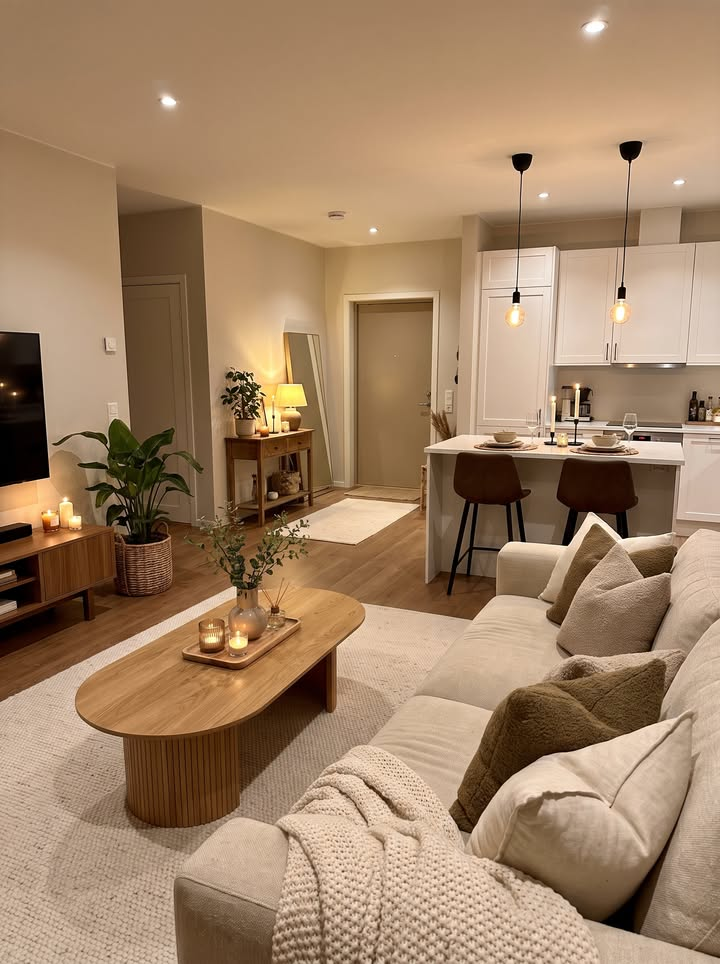
This costs about $15 and changes more than almost any decor purchase. Many apartments come with cool, bluish bulbs rated at 4000K or higher, which make a neutral palette look stark and clinical.
Replace them with 2700K bulbs, the warm “soft white” tone, and the same cream wall suddenly looks like it has a glow.
I replaced every bulb in my apartment one weekend and my partner commented that I’d “repainted.” I hadn’t touched a wall.
13. Layer Lamps Instead of Relying on the Overhead Light
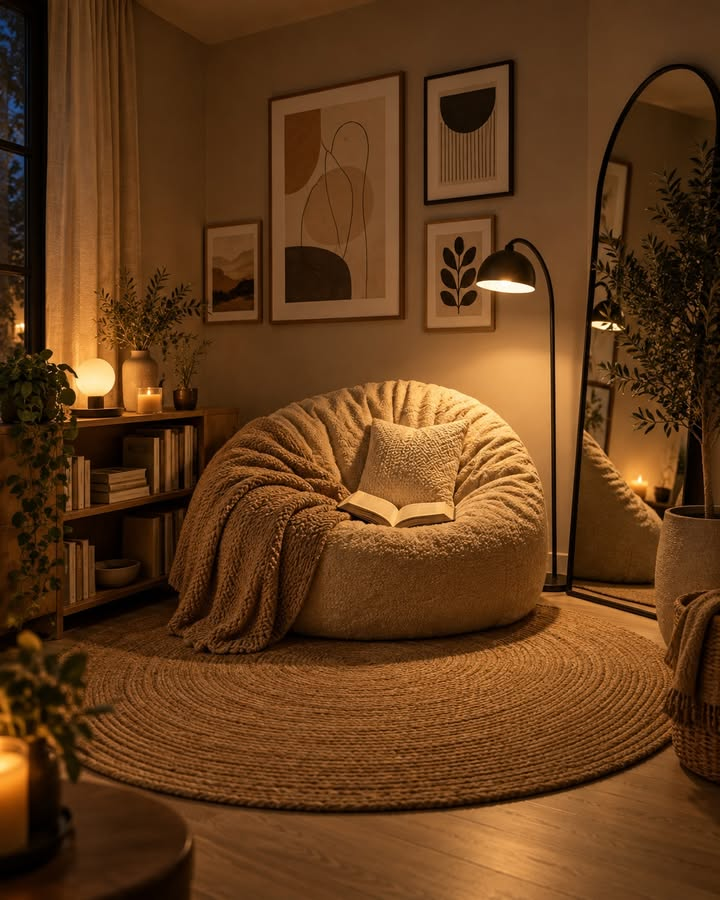
Overhead lighting flattens a room. A calmer approach is two or three lamps at different heights: a floor lamp in a corner, a table lamp by the sofa, and maybe a small one on a console.
Light from different levels creates shadows and depth, which does a lot of work in an otherwise tonal room.
Look for lamp shades in linen, paper, or rattan rather than glossy white plastic, since they diffuse light more softly. If your apartment has no outlet where you want a lamp, plug-in wall sconces with a cord cover are a decent renter-friendly option.
Wall Decor, Plants, and Accessories
14. Hang One Oversized Piece Instead of a Gallery Wall
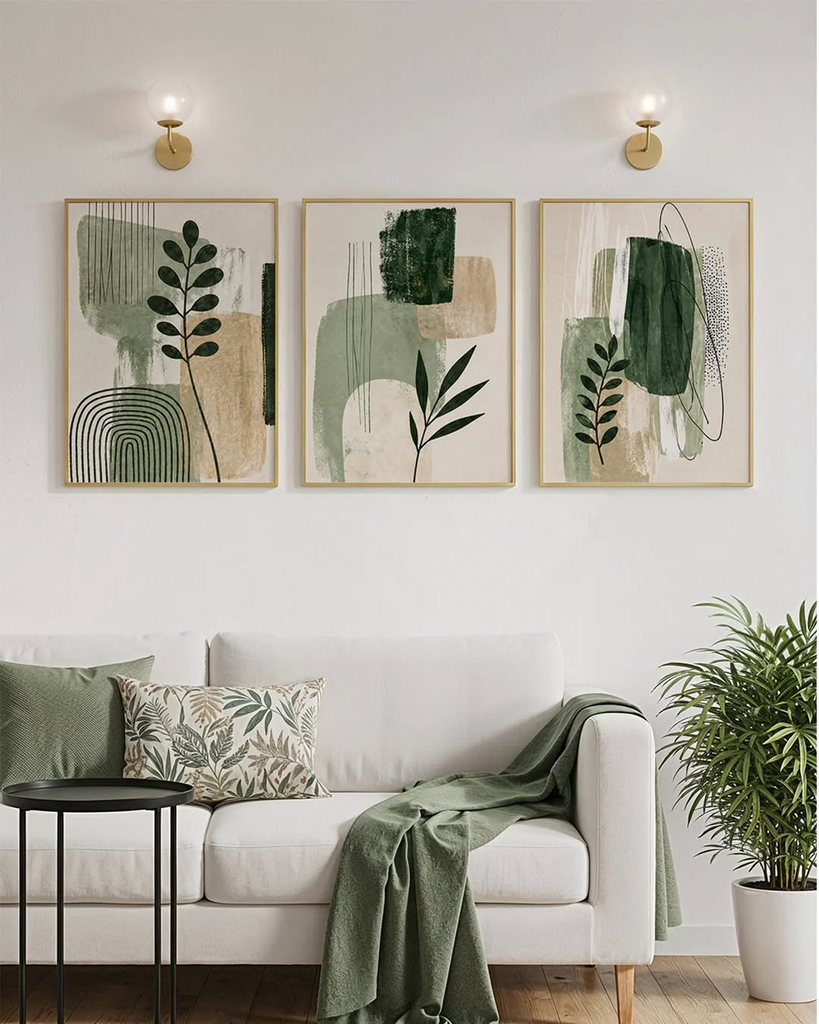
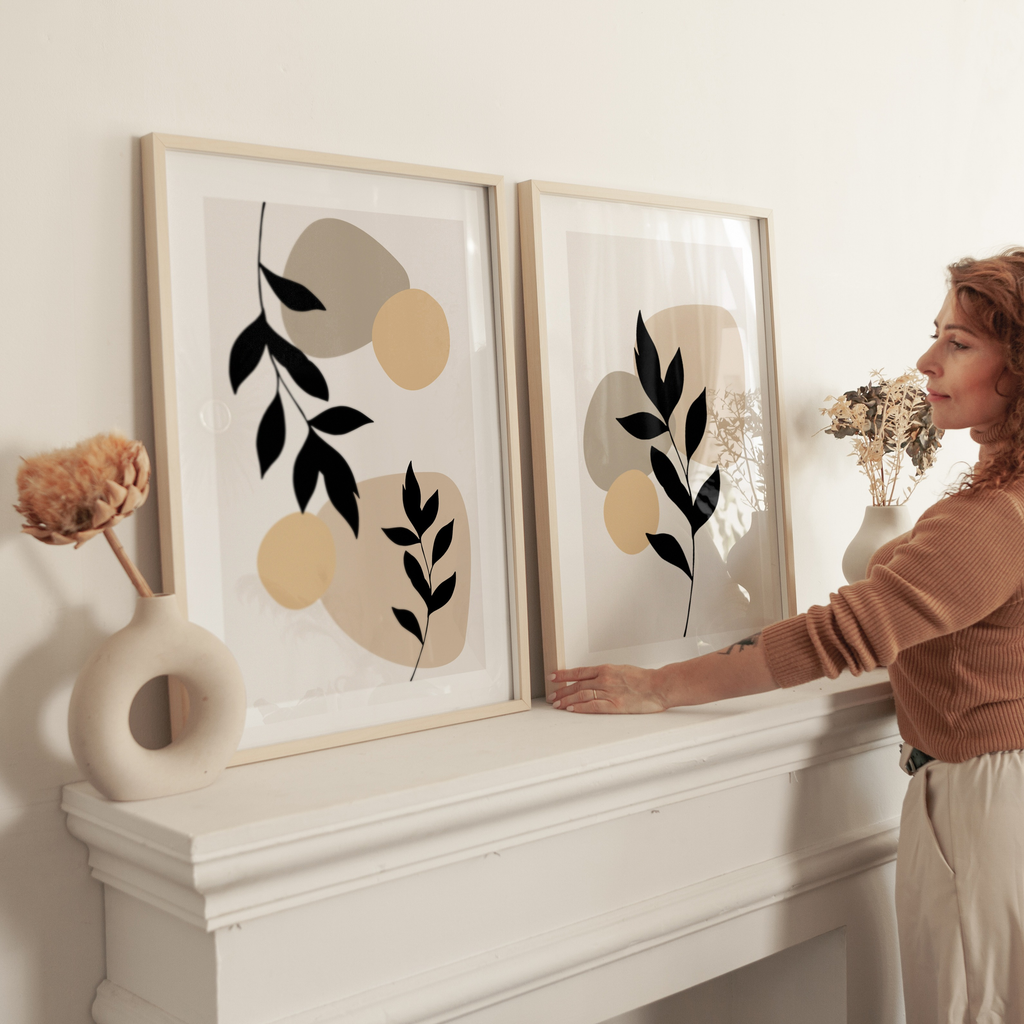
A gallery wall can read as clutter in a minimalist apartment. One large piece, such as an abstract print in cream and sand tones, a big linen-framed canvas, or an oversized mirror, makes a stronger and calmer statement.
Aim for art that’s about two-thirds the width of the furniture beneath it.
You can get large neutral prints for $20 to $60 from print-on-demand shops and have them framed at a craft store for another $50 to $100. That’s far cheaper than original art and looks just as intentional.
15. Use Mirrors to Bounce Light Around
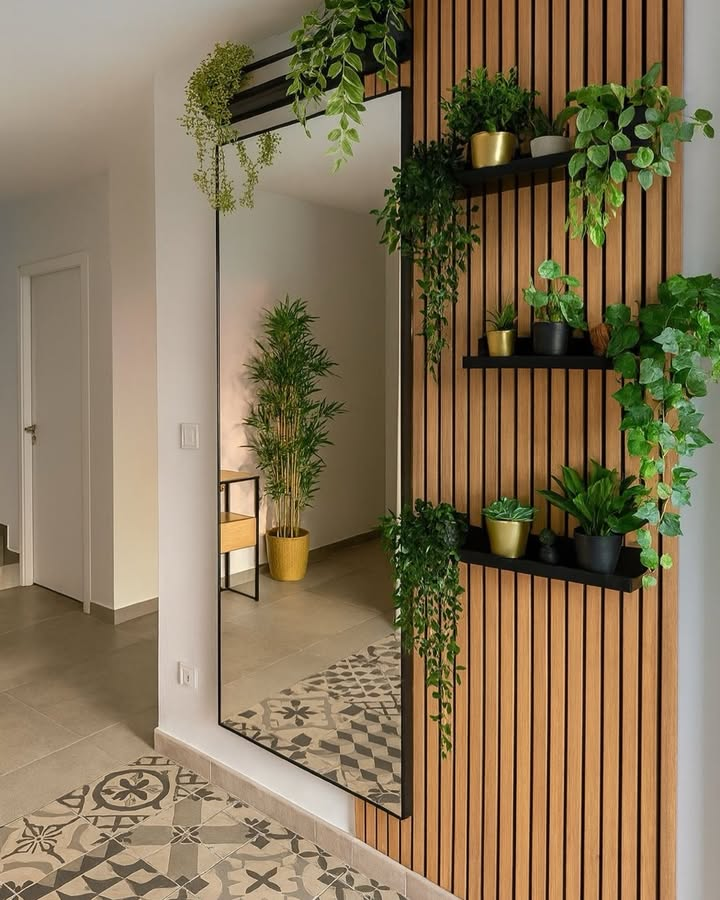
In small or north-facing apartments, a large mirror placed opposite or beside a window effectively doubles the natural light. A full-length leaning mirror is an easy rental solution, with no drilling needed. Choose a thin frame in wood, black, or brass so it blends in rather than becoming another object to look at.
16. Let Greenery Be Your Only Color

Plants are the one place where a neutral palette welcomes color. A single large plant, like a fiddle leaf fig, a rubber plant, or a snake plant, gives a minimal room a living focal point. If you don’t have a green thumb, I’m firmly in favor of dried pampas or olive branches in a ceramic vase, which cost a few dollars and last for months.
Keep your pots in the same palette as the room: white, sand, terracotta, or matte black. A bright blue ceramic pot is lovely on its own, but it breaks the calm.
17. Add Black or Charcoal in Small Doses for Definition
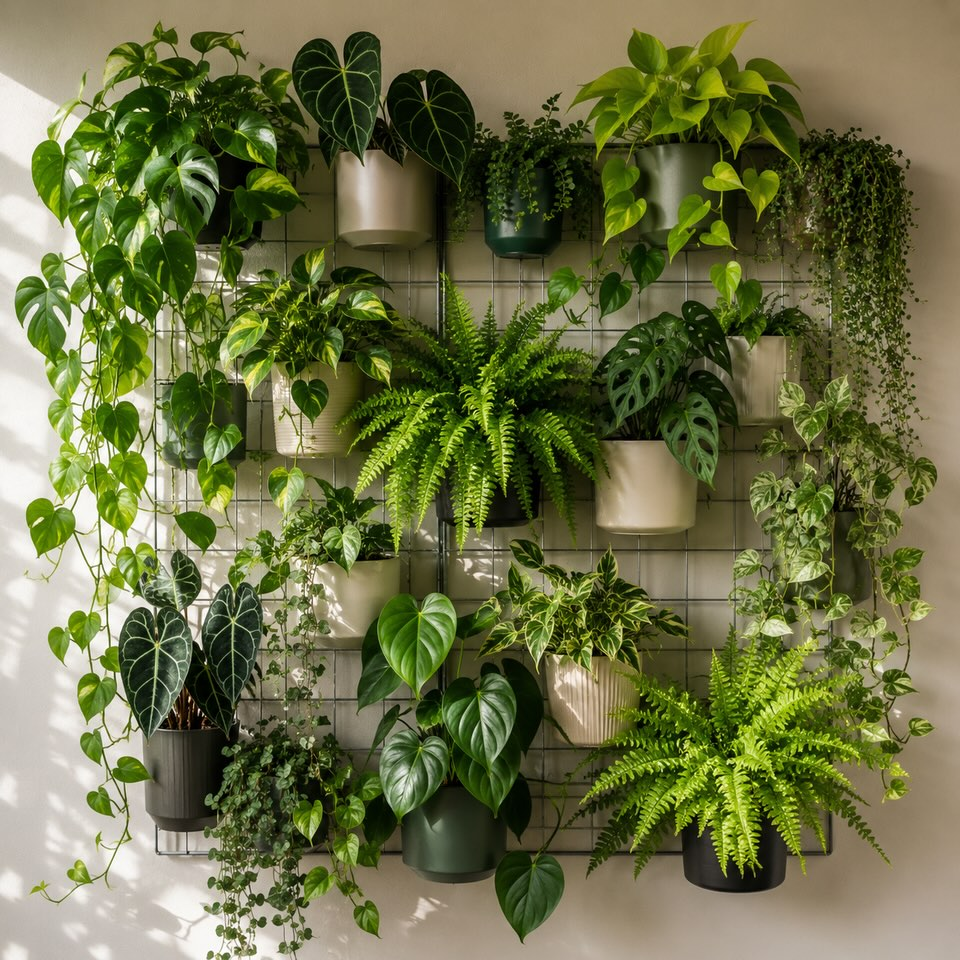
A completely neutral, tonal room can feel like it’s melting. A few small black or charcoal accents, like picture frames, a lamp base, or curtain rods, add structure and make the lighter tones look richer by contrast. Three to five small pieces per room is usually plenty.
Organization and Everyday Minimalism
18. Create a Dedicated Drop Zone Near the Door
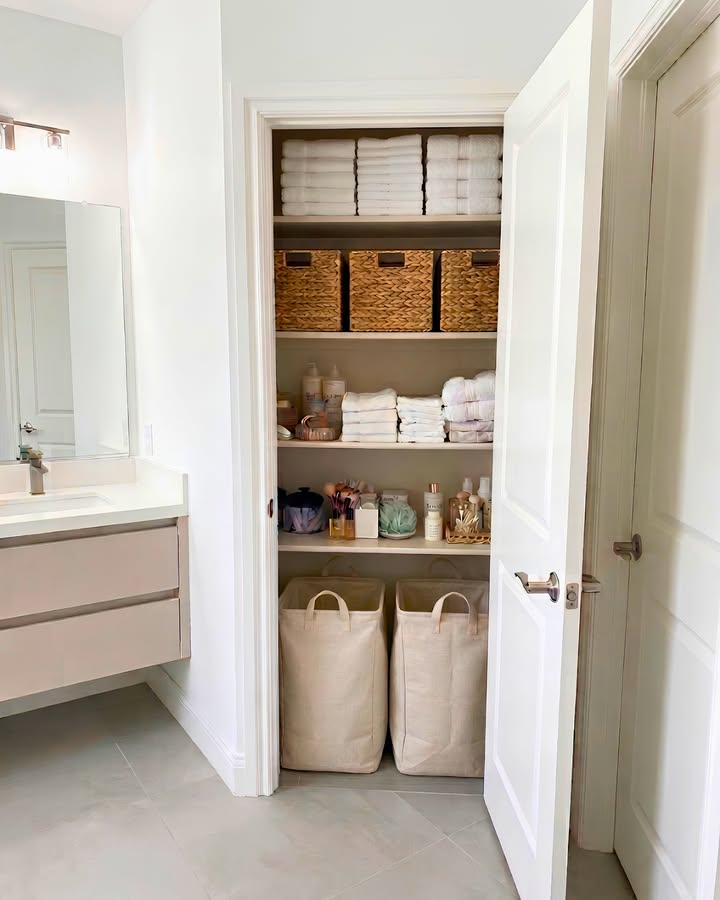
The thing that undoes a calm apartment fastest is the pile of keys, mail, shoes, and bags that collects by the entrance. A narrow console or wall-mounted shelf with a small tray, plus a basket or shoe rack underneath, keeps the pile contained.
I used to trip over shoes every single morning until I gave them a bench with a bin under it, and the whole apartment felt more organized overnight.
If you have no entryway at all, a set of wall hooks and a slim over-the-door organizer works in a pinch, though I’d skip the cheap over-the-door ones. The first one I bought pulled the door out of alignment and fell within a week.
19. Keep Surfaces to One-Third Full
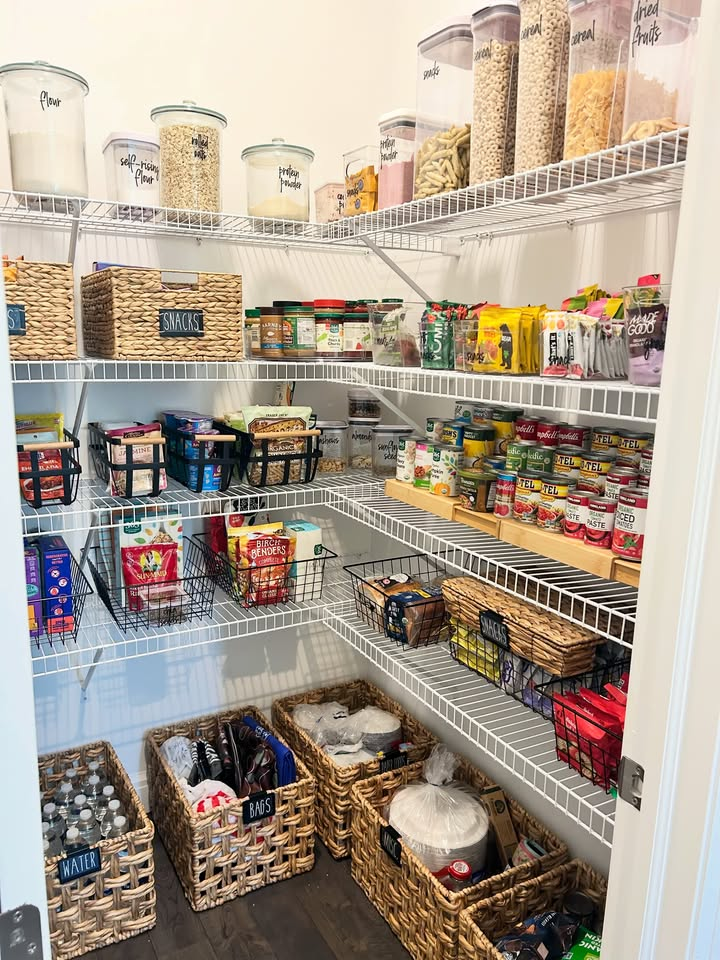
A simple rule that works for coffee tables, dressers, and kitchen counters: leave about two-thirds of every flat surface empty.
On the coffee table, that might mean a tray, a candle, and a small stack of books. On a dresser, a lamp and one tray. This empty space is what makes a room feel minimal rather than just neutral.
The kitchen counter is where most people slip. Matching soap dispensers, a single canister set, and a cutting board leaned against the backsplash looks intentional. Eight random appliances and a dish rack does not.
20. Edit Regularly and Let Empty Space Exist
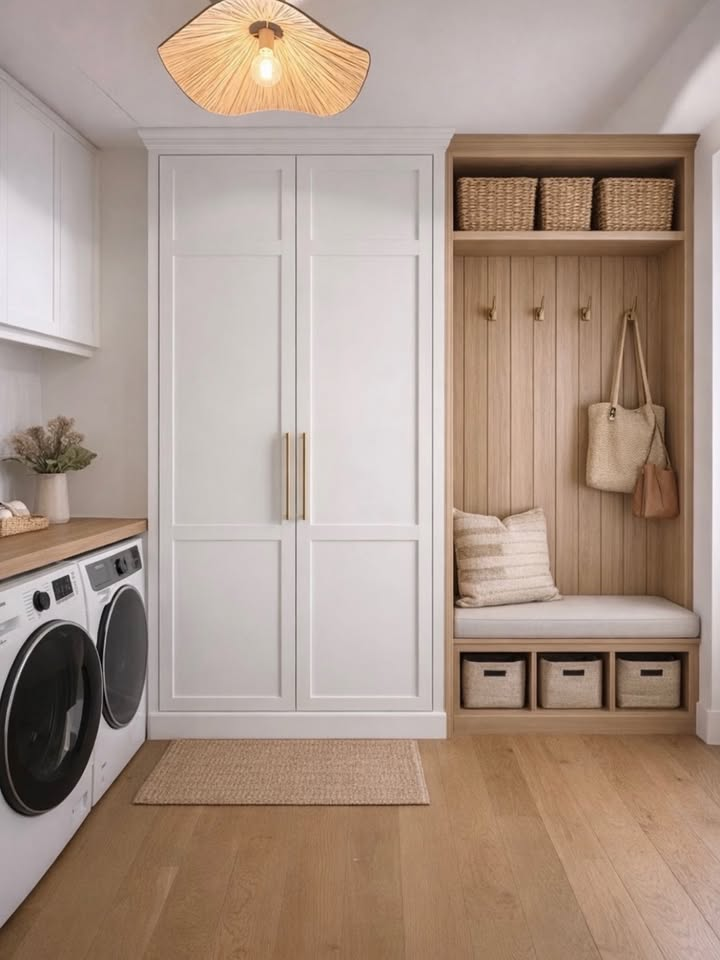
The hardest part of a minimal look is stopping. Every few months, walk through your apartment and remove one thing from each room before you consider adding anything new. Empty wall space, a bare corner, and a clear windowsill are not unfinished business. They’re what let the rest of the room breathe.
I’ll admit this is the idea I’m worst at. I keep a small box in my closet where “maybe” items go for 30 days, and if I haven’t missed something by then, it leaves the apartment.
How Much Does a Neutral, Minimal Apartment Cost?
You don’t need to do everything at once. This is the breakdown I’d give a friend who asked where to spend and where to save.
| Item | Budget pick | Mid-range pick | Worth the splurge? |
|---|---|---|---|
| Sofa | $400 to $700 with removable covers | $900 to $1,500 performance fabric | Yes, if you can only splurge once |
| Area rug (8×10) | $120 to $220 flat-weave | $300 to $600 wool blend | Only if you plan to stay long-term |
| Linen-look curtains (pair) | $50 to $100 | $150 to $250 true linen | Rarely |
| Bedding set | $70 to $100 cotton percale | $180 to $300 washed linen | Mostly a comfort call |
| Warm bulbs and lamps | $15 for bulbs, $25 to $50 per lamp | $80 to $200 designer-style lamp | No |
| Large art or mirror | $60 to $120 | $200 to $400 | Rarely |
If your budget is tight, the order I’d go in is warm bulbs, a large rug, curtains hung high, and then the sofa. Those four moves account for most of the visual change.
Common Mistakes to Skip When Decorating Neutral
A few things I see over and over, in my own place and in readers’ emails:
- Mixing warm and cool neutrals without noticing, which makes everything look slightly dingy.
- Skipping texture, so the room looks flat and a bit lifeless.
- Buying everything in one shade, like all cream, which erases depth. Vary your tones by two or three steps.
- Hiding every plant, book, and personal object in pursuit of minimalism. A calm home still needs to look like someone lives there.
- Overusing white lighting, which is the cheapest and most overlooked mistake on this list.
If I Were Starting Over
If I were moving into a blank apartment tomorrow, I’d start with the warm bulbs, and I’d do it before unpacking a single box.
Then a big rug, then curtains hung high, and I’d live in the space for a few weeks before buying anything else, because the room tells you what it needs once you’re actually in it.
The biggest lesson from my beige-waiting-room years is that a calm apartment isn’t about owning less color.
It’s about having fewer competing things, and making the ones you keep feel warm. Start small, and trust the quiet.


Leave a Reply