
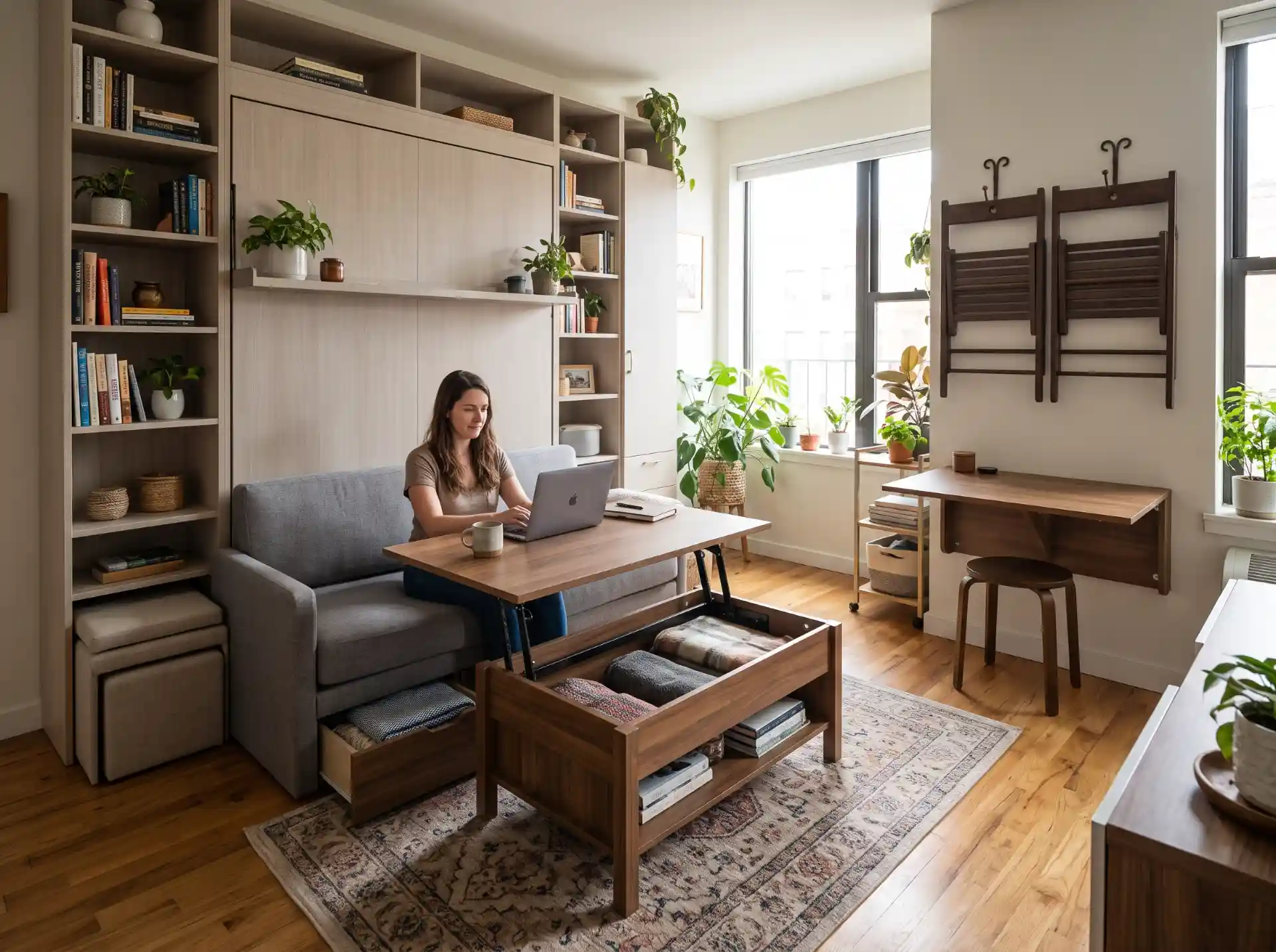
Space-saving furniture that actually earns its footprint, tested the hard way.
My first real apartment was 410 square feet, and for the first four months I walked sideways past my own sofa. I had bought a “cute” console table for the entryway that stuck out just far enough to catch my hip every single morning. I still have a faint memory of the bruise.
That’s the thing nobody tells you about small apartment living: the problem usually isn’t that you own too much stuff.
A sofa that’s only a sofa, a desk that’s only a desk, a dining table you use twice a month. In a tiny space, that’s an expensive way to lose floor.
This is the list I wish I’d had before I wasted money. These are 26 multi-functional furniture ideas for small apartments, grouped by room so you can jump to wherever you’re stuck. I’ve included rough prices, the trade-offs nobody mentions, and a few things I’d skip.
How to Choose Multi-Functional Furniture for Small Apartments (Before You Buy Anything)
I’ve watched friends buy beautiful hybrid furniture that made their apartments feel worse, so a quick filter first. Before anything goes in your cart, ask three questions:
- Does it replace something, or just add to the pile? A storage ottoman that replaces a coffee table is a win. A storage ottoman you buy in addition to your coffee table is just another thing to step around.
- Will I actually use the second function? A desk hidden in a wardrobe sounds brilliant until you realize you’ll never unfold it every morning. Be honest about your habits, not your aspirations.
- Is it easy to access? If getting to your stored blankets means moving three objects, you won’t do it, and the storage becomes dead space.
Measure twice, too. My friend Priya bought a gorgeous extendable dining table and only then realized that fully extended, it blocked her fridge door. Measure the open footprint, not just the closed one.
Living Room: Multi-Functional Furniture That Does the Heavy Lifting
The living room is usually where a small apartment’s one-room-does-everything problem is loudest. It’s your lounge, your office, your dining room and sometimes your guest room.
1. Storage Ottoman as a Coffee Table
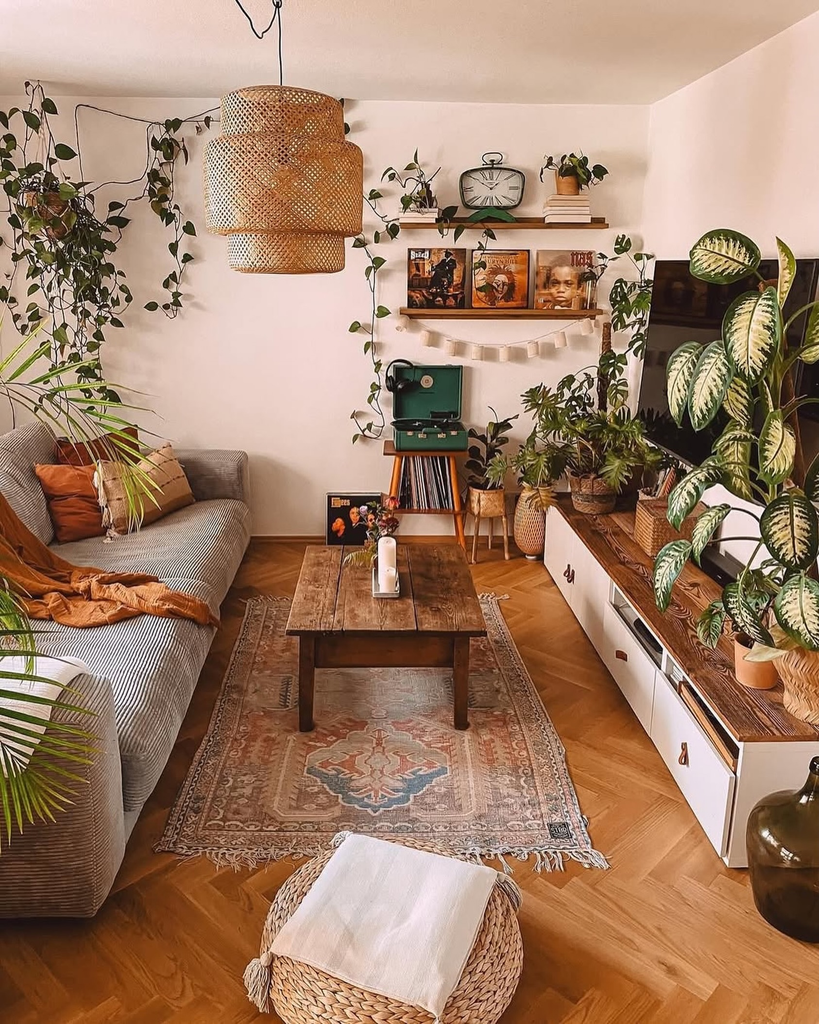
A coffee table takes up about the same floor space as a storage ottoman, but one gives you nothing back. A big lidded ottoman holds throw blankets, board games, the remotes you swear you’ll organize someday. Put a tray on top and you have a surface for drinks.
The trade-off: soft tops aren’t stable for laptops or a full dinner. Look for one with a firm, flat lid, or just keep a tray handy. Expect to pay roughly $60 to $200, depending on whether it’s faux leather, linen or real wood.
Pro tip: Check the hinge. Cheap lids slam shut on fingers. Get one with a soft-close hinge or a removable lid, especially if you have kids or a cat that likes to nap inside.
2. Lift-Top Coffee Table
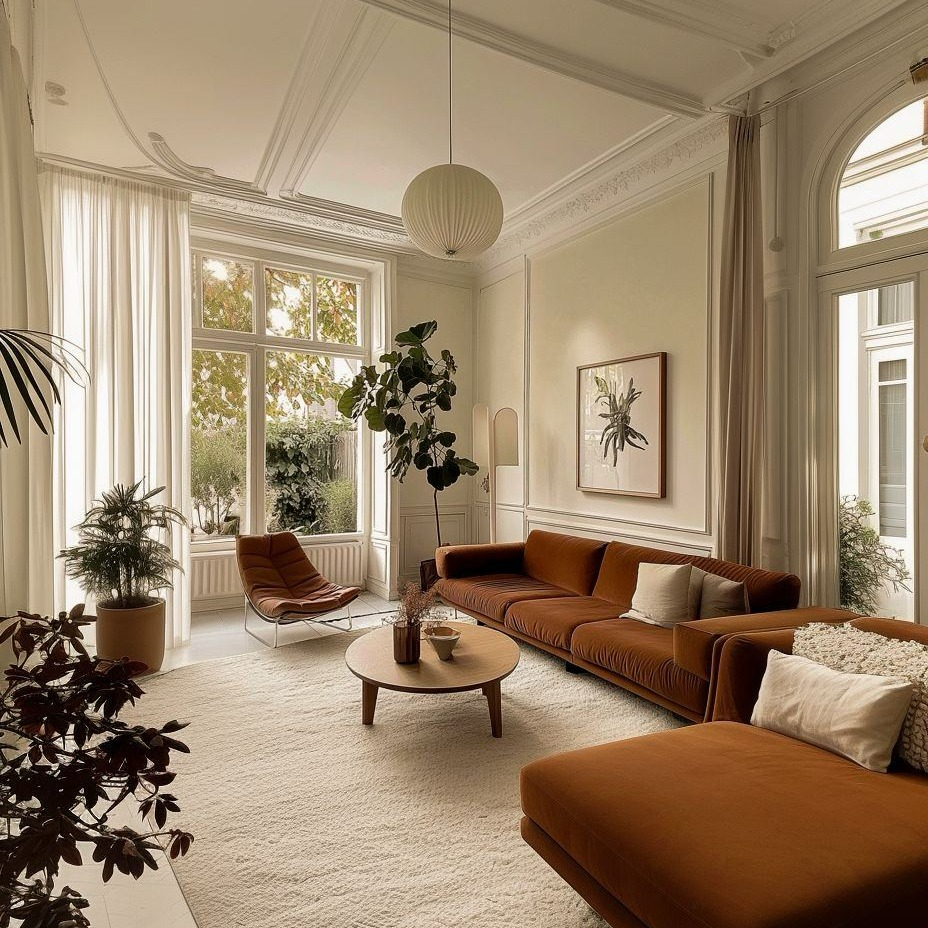
This is the one piece of furniture I’d tell almost anyone working from home to consider. The top lifts up and forward to become a desk-height surface, and underneath is hidden storage. I used one for a year as my main laptop spot and it saved my back compared to hunching over a low table.
It isn’t perfect. The mechanism adds weight, and the cheapest versions (around $100) wobble when you type. Budget closer to $150 to $300 for something sturdy.
3. Nesting Tables
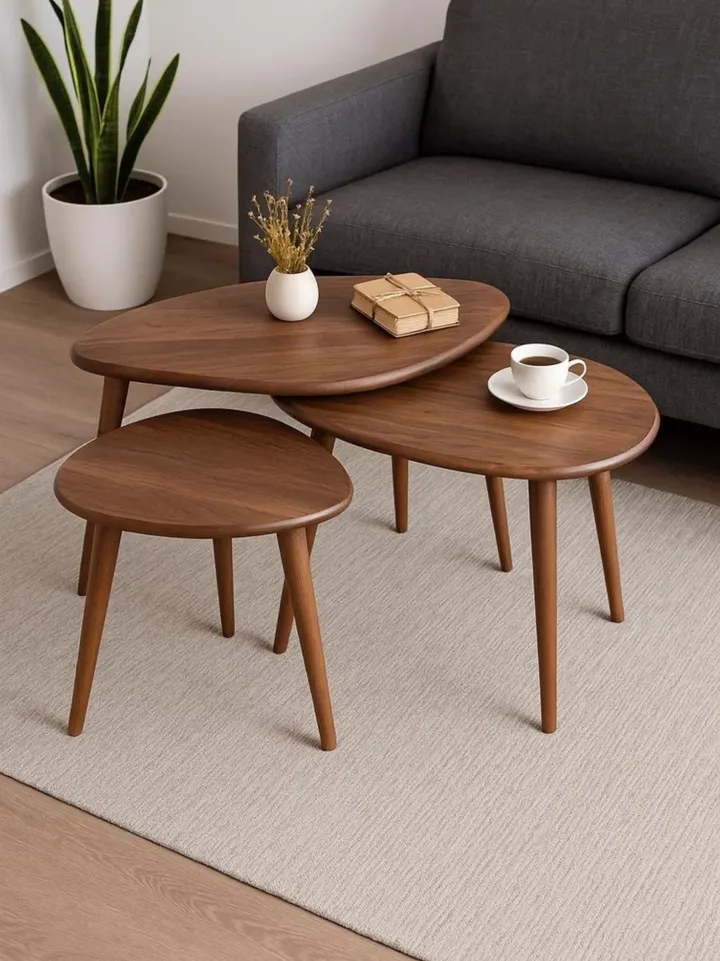
Nesting tables are the cheapest fix on the list. Keep them stacked for everyday use, then pull them apart when friends come over and everyone needs somewhere to put a drink. They work as a coffee table, side tables, or a plant stand cluster.
I’d steer you toward sets with slightly different heights rather than ones that are all nearly identical. They look more intentional and they’re easier to slide in and out. Sets run about $50 to $150.
4. Sleeper Sofa or Sofa Bed
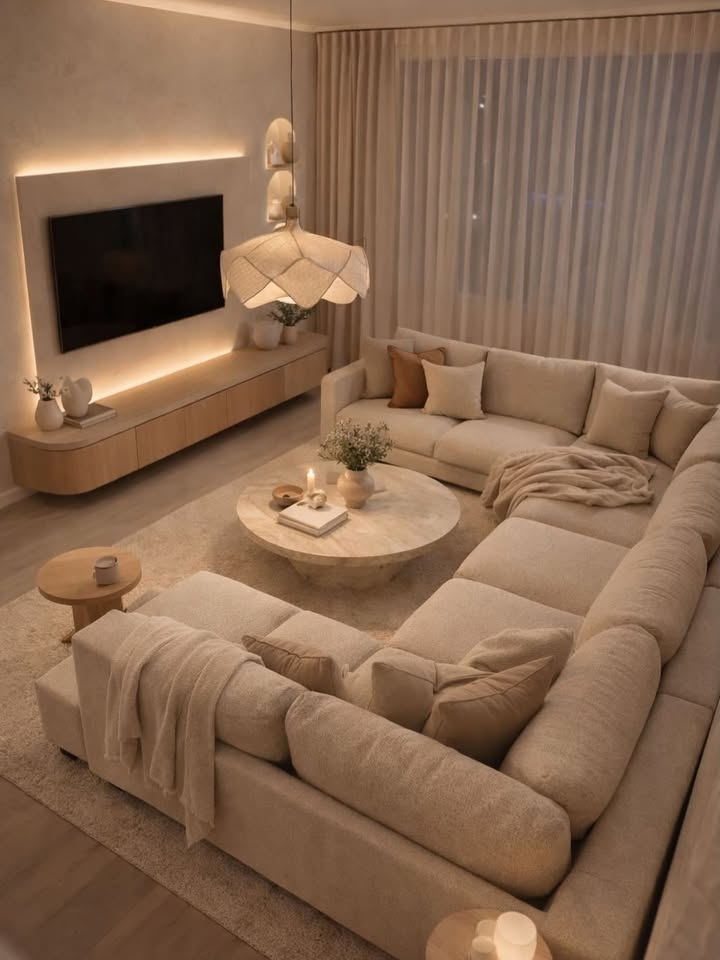
If you don’t have a separate bedroom for guests, a sleeper sofa is the single biggest space saver you can buy. The honest trade-off: you pay for the mechanism in comfort. Many budget sofa beds are either a great sofa or a decent bed, rarely both.
When I tested a few in stores, the thing that mattered most was the mattress thickness. A thin one means you feel the metal bar. If you only host guests a few nights a year, a good futon-style or a click-clack sofa bed in the $400 to $800 range is plenty. If guests are frequent, spend more for a real memory foam mattress.
Pro tip: Measure the opened length against your room. Most sofa beds need about 80 inches of clear floor to unfold.
5. Sofa With a Storage Chaise
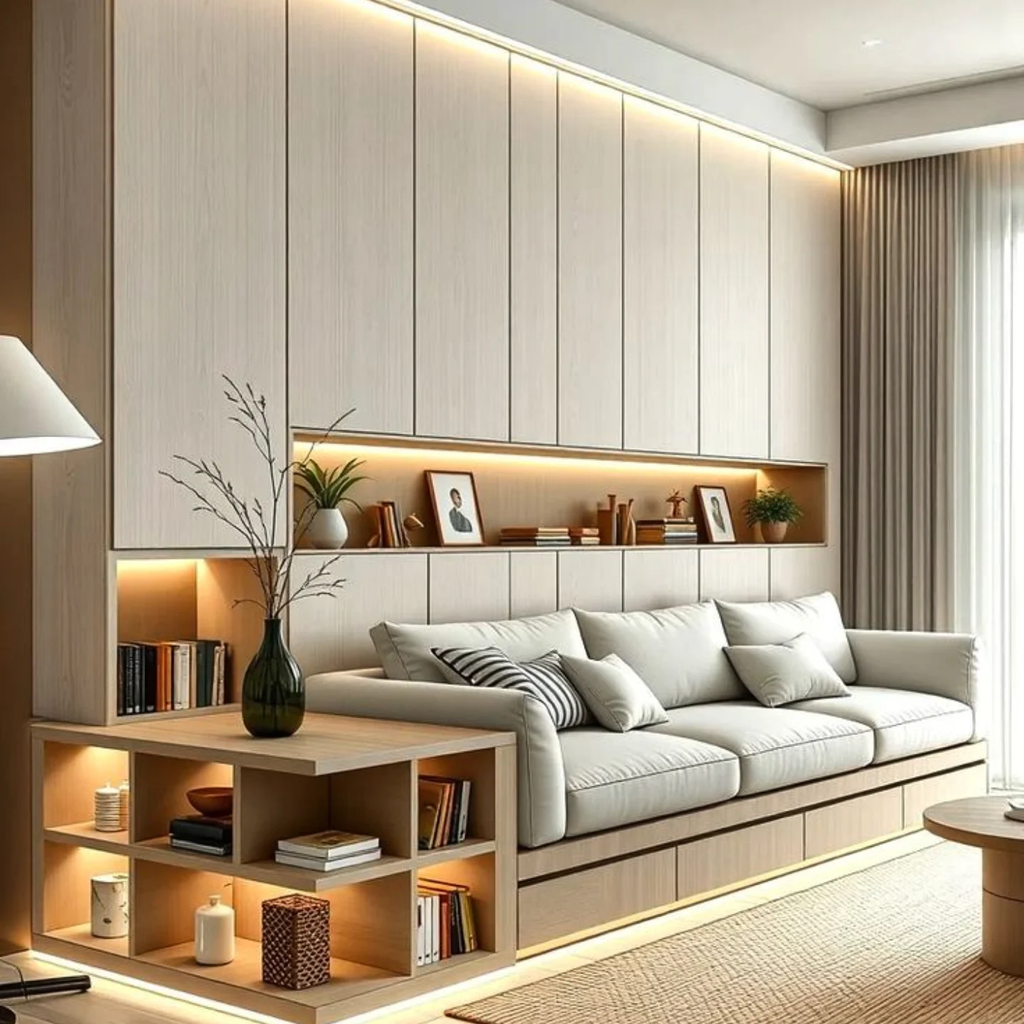
A sectional or sofa with a chaise that lifts open gives you a seat, a lounger and a hidden bin for extra bedding. This is one of those small space storage ideas that works best if you don’t also own a separate blanket basket. The bin on mine swallows two duvets and still has room for the vacuum attachments I never use.
The downside is weight and delivery. They’re heavy, and some won’t clear narrow stairwells. Always check the box dimensions against your door and hallway.
6. Console Table Behind the Sofa (That’s Also a Desk)
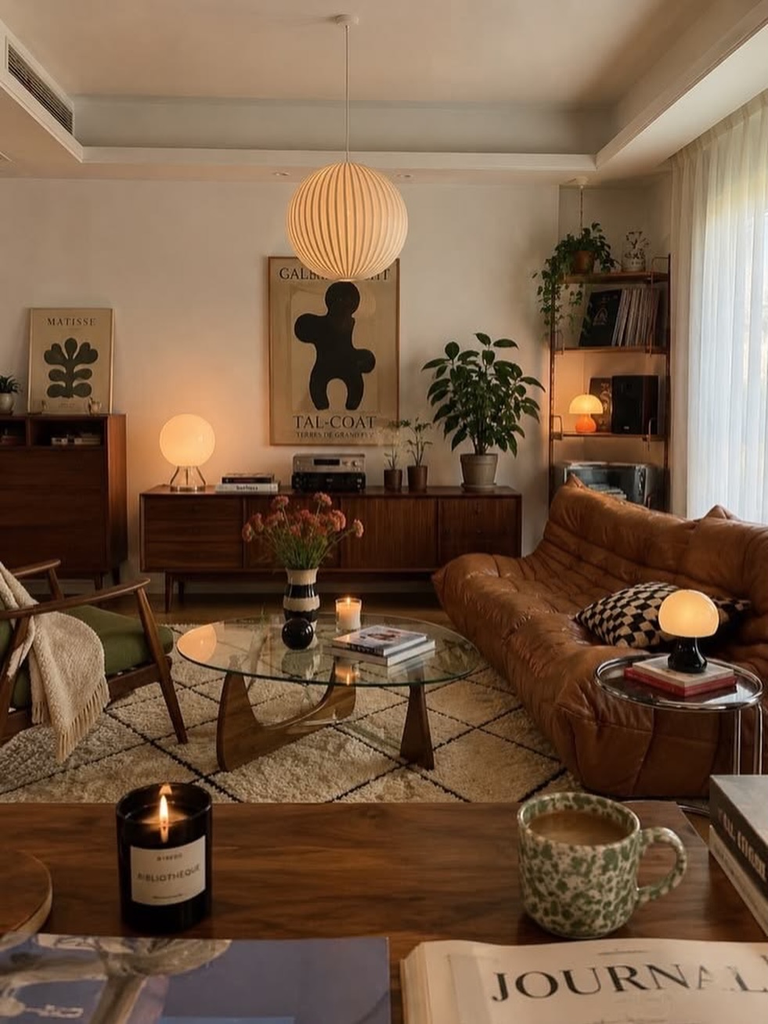
In a studio, floating the sofa a foot or two off the wall and putting a narrow console table behind it creates a soft room divider. A console that’s around 30 inches high doubles as a standing desk or a spot for a laptop and a lamp. Add a stool you can tuck underneath and you have a mini workspace that disappears at night.
Keep it narrow, ideally 12 to 15 inches deep. Anything wider starts to eat the walkway.
7. Open Bookshelf Room Divider
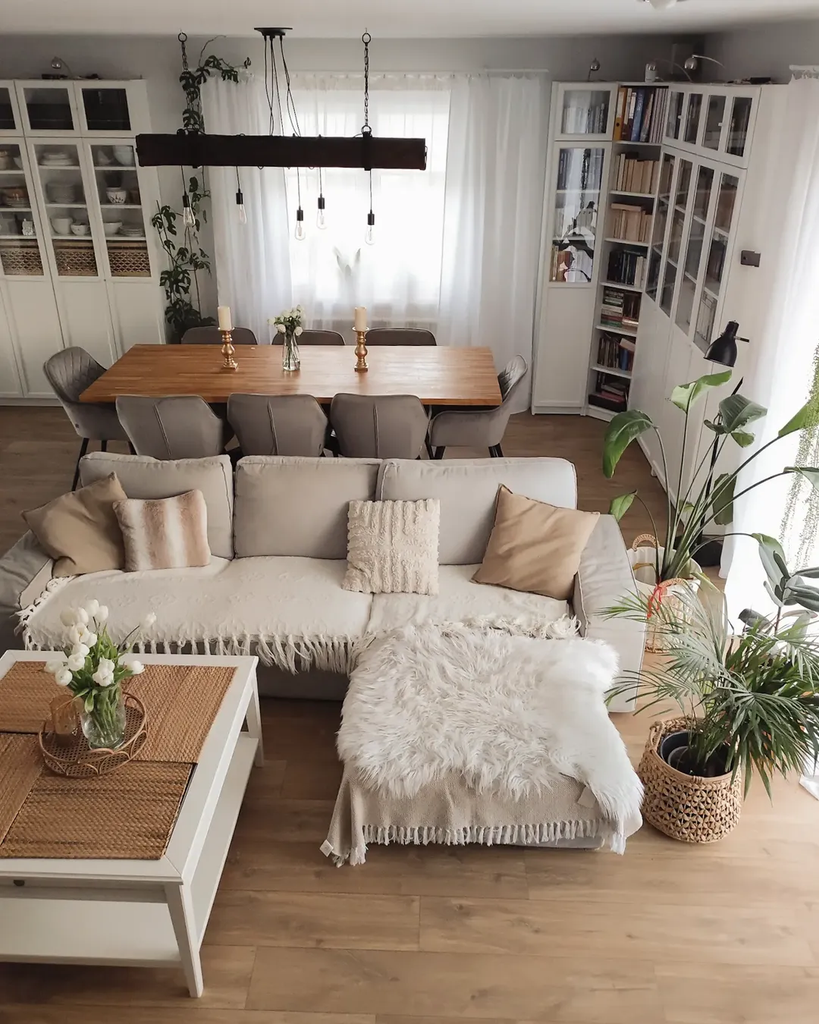
A cube bookshelf placed perpendicular to the wall separates the sleeping area from the living area without blocking light. Open backs keep the space airy. This works especially well in studios where you want some privacy without building a wall.
Style tip from a mistake of mine: don’t fill every cube. Leave a third empty, or it’ll look like a storage unit. And anchor it to the wall if you can; if you can’t (rentals), use museum putty or a small tension strap at the top.
Bedroom: Where Storage Furniture for Small Spaces Matters Most
Bedrooms are where I’ve seen the biggest gains. Under-bed space alone can be 20 or more square feet of unused storage.
8. Platform Bed With Built-In Drawers
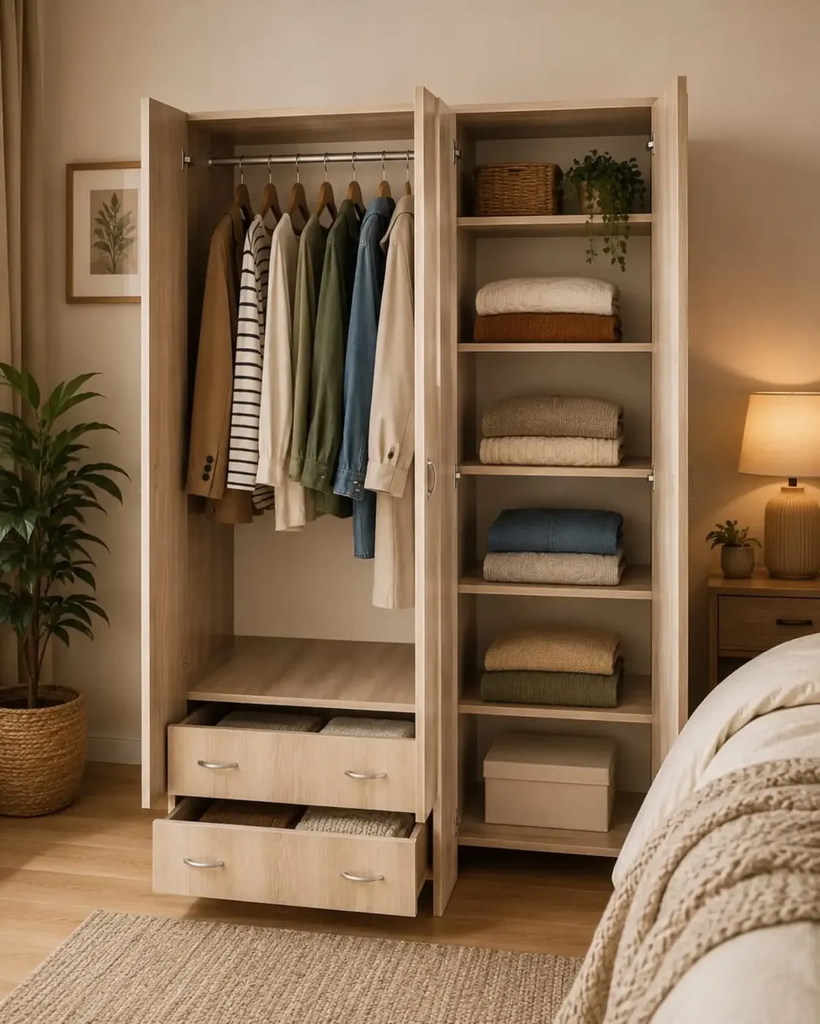
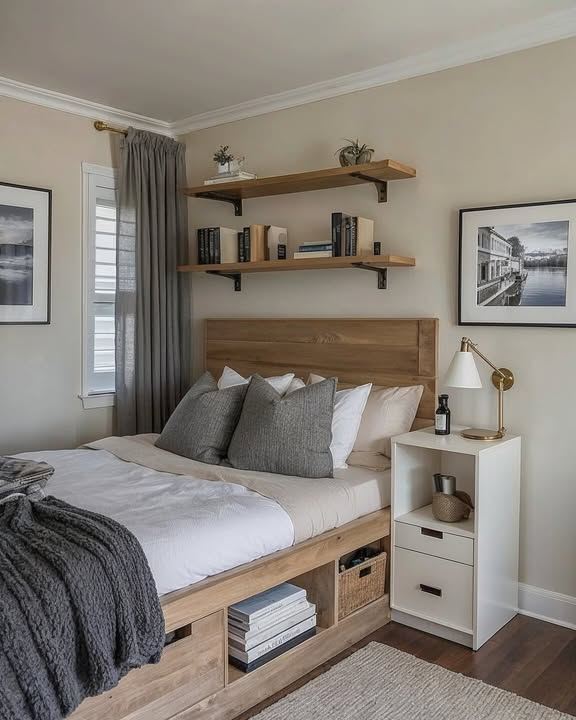
A platform bed with drawers can replace a dresser entirely, which frees up a whole wall. I swapped my old bed frame for one with four deep drawers and removed my dresser. The room felt about twice as big.
The catch is clearance. Drawers need room to pull out, so you need around two feet of space at the foot and sides. Prices vary wildly, from roughly $300 for a flat-pack version to $1,200 or more for solid wood.
Pro tip: Test drawer slides in person if you can. Cheap runners stick when overloaded, and drawers full of sweaters get heavy fast.
9. Murphy Bed (Wall Bed)
A Murphy bed folds vertically into the wall or a cabinet, turning a bedroom into a home office or living room during the day. It’s the biggest transformation on this list and also the biggest commitment. Real installed units often cost $1,500 to $4,000 or more, though there are DIY hardware kits and ready-made options on the lower end.
If you rent, ask your landlord first, since most require mounting to studs. A freestanding cabinet-style version avoids that and is far easier on a deposit.
10. Loft Bed With a Desk or Sofa Underneath
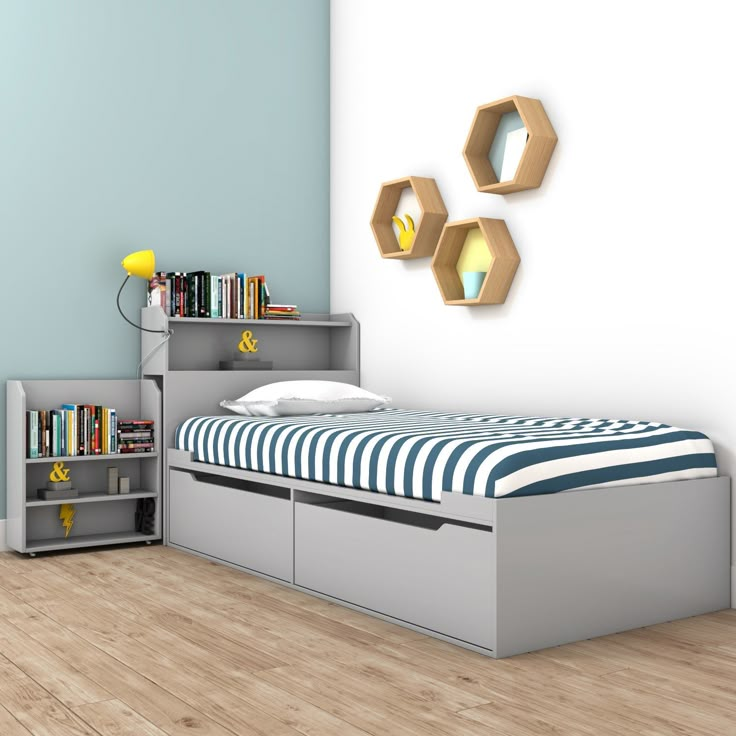
Dorm room classic, but not just for students. If your ceilings are at least eight feet, a loft bed gives you a whole second zone underneath: a desk, a small sofa, a closet. The trade-off is the climb (and the bonk risk if your ceiling is low), so be honest about whether you’re comfortable sleeping that close to the ceiling.
I’d also never recommend putting a loft bed in a space with less than about 8 feet of ceiling height. It gets stuffy and a little claustrophobic.
11. Storage Headboard
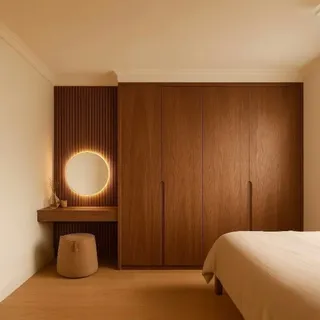
A headboard with built-in shelves or cabinets handles nightstand duty and keeps your phone, glasses and a book within reach. It’s a smart pick when your room is narrow and you can’t fit side tables on both sides of the bed. Look for ones with a ledge deep enough for a lamp and outlets built in.
12. Nightstand With a Pull-Out Shelf or Charging Station
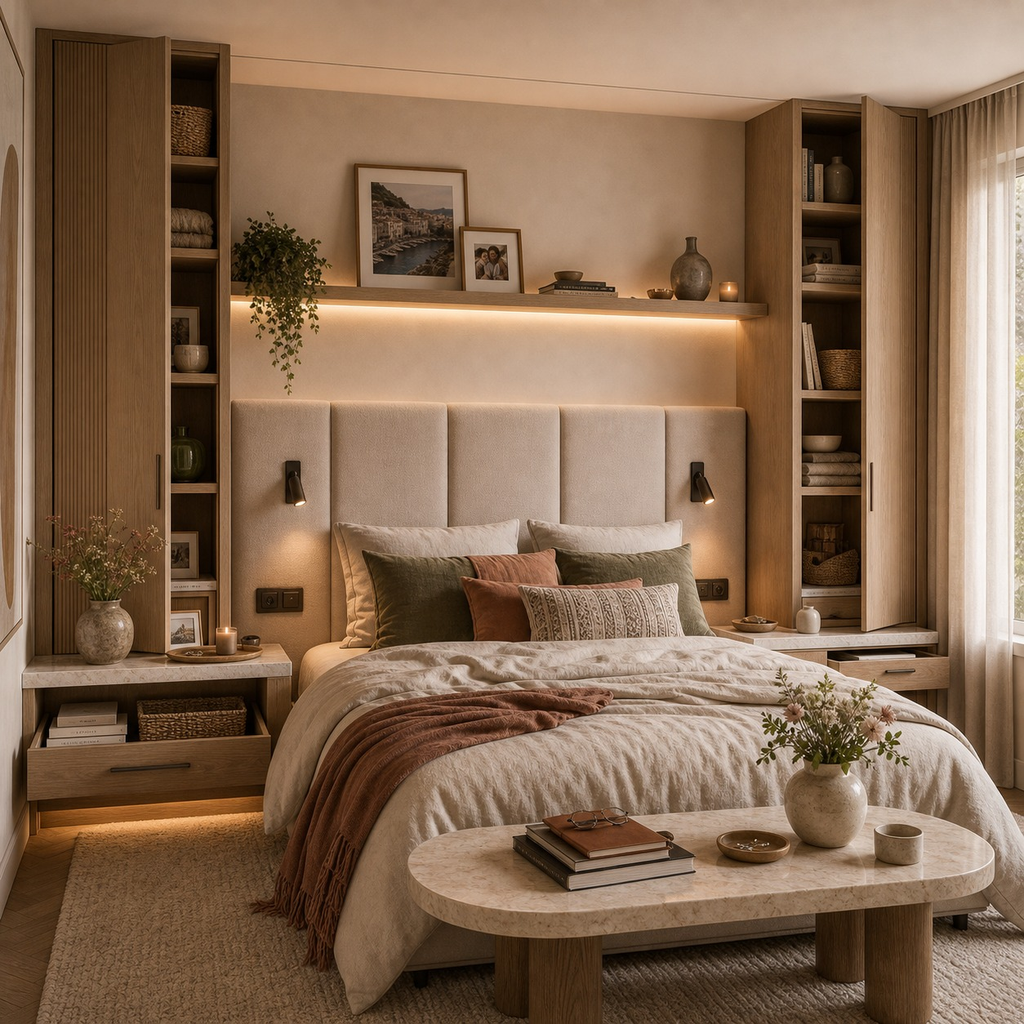
It sounds small, but a slim nightstand with a drawer and a built-in USB port clears the cable clutter from the floor. If space is really tight, a wall-mounted floating shelf or a clip-on bedside tray saves even more floor. Under $50 for many of the floating options, which makes this one of the easiest budget swaps on the list.
13. Daybed With a Trundle
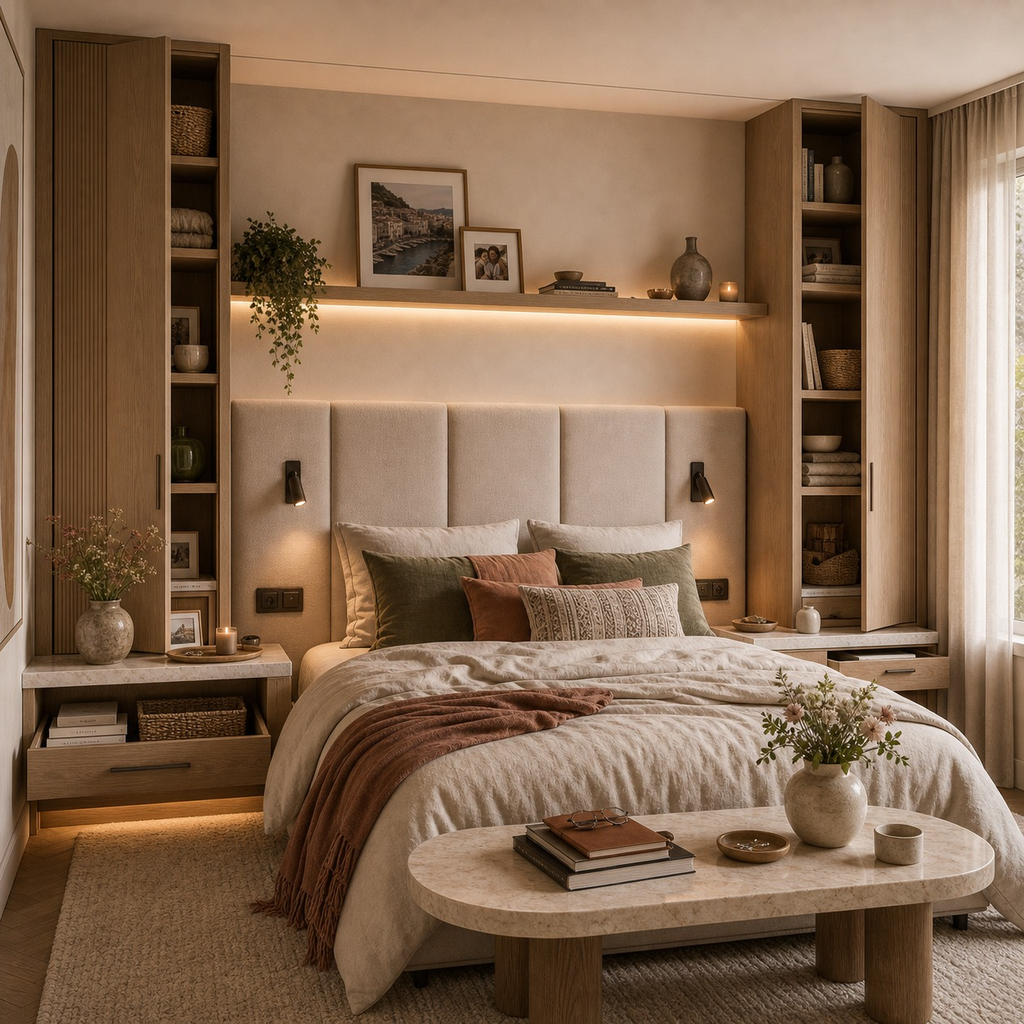
Daybeds read as a sofa by day and a bed at night, and the trundle slides out for a second sleeper. They’re a fantastic option for a studio or a second room that needs to be an office and a guest room. The downside is that the trundle mattress is usually thin, so I’d treat it as a guest-night solution rather than a permanent bed.
Quick Comparison: Which Multi-Functional Pieces Are Worth the Money?
If you’re deciding where to spend first, here’s how I’d rank the big-ticket ideas so far.
| Piece | Replaces | Typical Cost | Best For | Biggest Catch |
|---|---|---|---|---|
| Storage ottoman | Coffee table + basket | $60 to $200 | Any living room | Soft tops aren’t great for laptops |
| Lift-top coffee table | Coffee table + desk | $150 to $300 | WFH in a studio | Cheap ones wobble |
| Sleeper sofa | Sofa + guest bed | $400 to $1,500 | Occasional guests | Thin mattresses |
| Platform bed with drawers | Bed + dresser | $300 to $1,200 | Small bedrooms | Needs clearance for drawers |
| Murphy bed | Bed + floor space | $1,500 to $4,000+ | Studios, home offices | Cost, install, landlord rules |
| Loft bed | Bed + desk or sofa zone | $250 to $900 | High ceilings, dorms | Low-ceiling stuffiness |
| Daybed with trundle | Sofa + guest bed | $300 to $800 | Studios, guest rooms | Thin trundle mattress |
Kitchen and Dining: Space-Saving Furniture for Cooking, Eating and Everything Else
In a small apartment, the “dining area” is often a suggestion. These ideas make one surface do the work of three.
14. Drop-Leaf Table
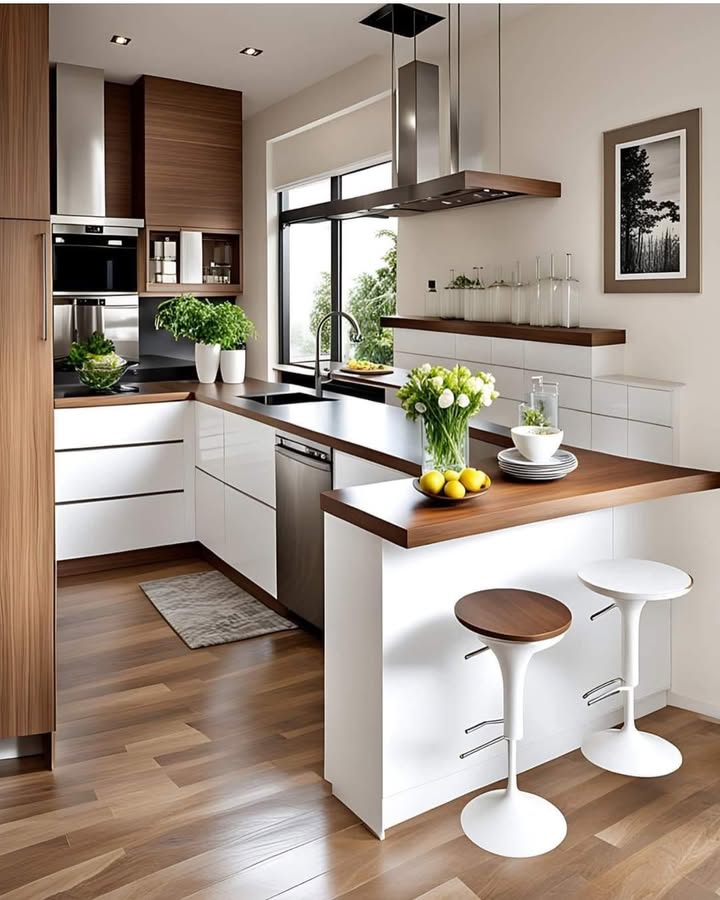
A drop-leaf table sits flat against the wall as a slim console, then opens to seat two or four. I lived with one for two years and honestly it was the best $120 I spent on that apartment. Folded, it was a spot for keys and mail. Open, it fit a real dinner with a friend.
Check how the leaves are supported. Gate-leg designs are sturdier than ones with simple brackets, and sturdy matters when someone leans on the edge.
Pro tip: Buy one with casters on the base if you can. Rolling it a few inches to open a leaf is far easier than lifting a loaded table.
15. Extendable Dining Table
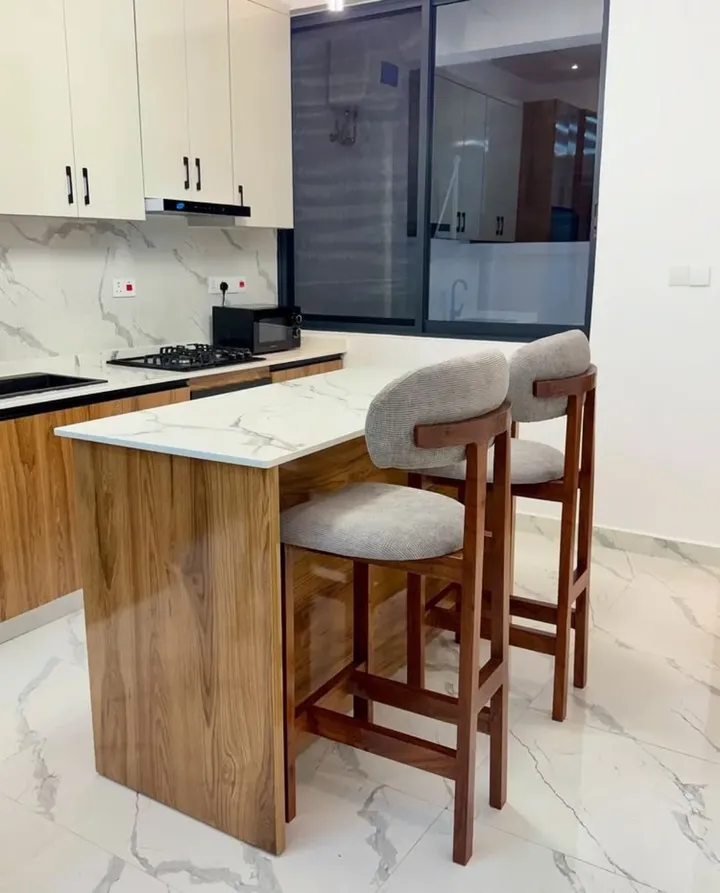
If you host more than a few times a year, an extendable table is worth the extra cost. Look for butterfly-leaf styles, where the extra panel folds out from inside the table, so you never have to store a loose leaf in a closet you don’t have. Expect roughly $250 to $700.
Remember my friend Priya’s fridge problem: measure the fully extended footprint and trace it on the floor with painter’s tape before you commit.
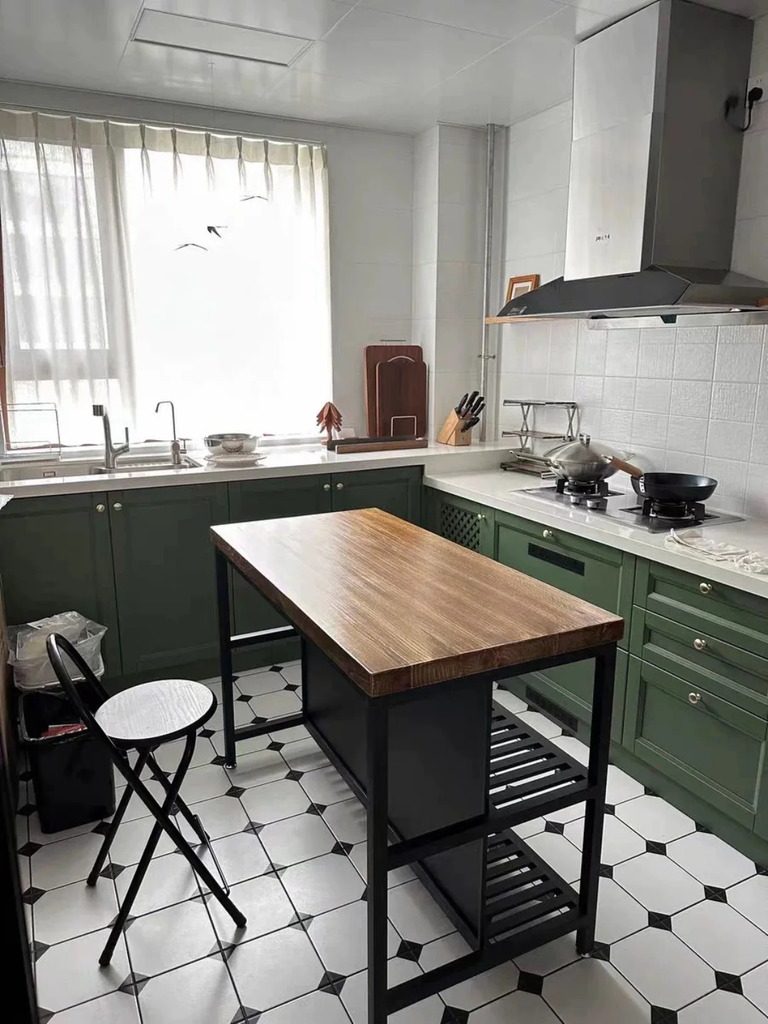
16. Rolling Kitchen Cart or Island
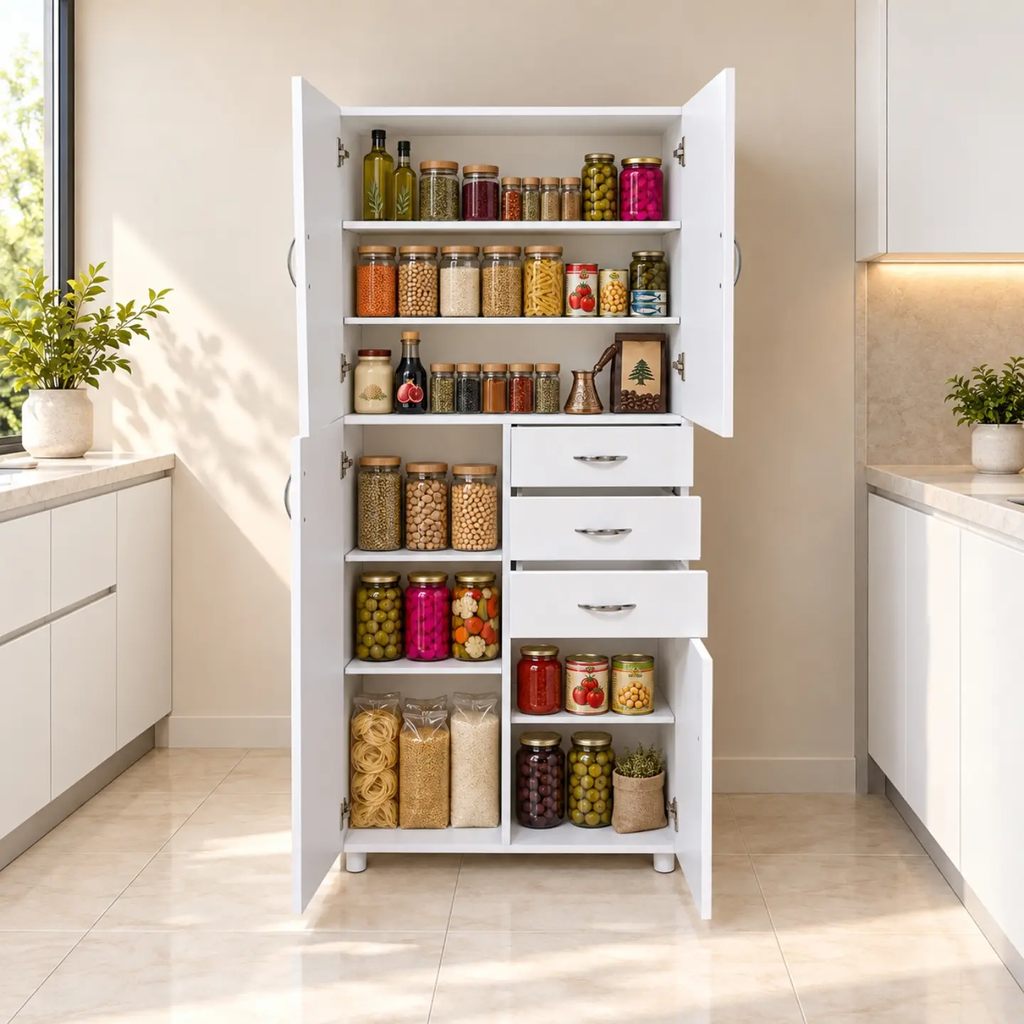
A kitchen cart is prep space, storage and an extra serving station in one. Mine lives next to the stove while I cook and rolls to the living room when guests arrive. The lower shelf holds my mixer, which otherwise had no home.
Go for one with a butcher-block or solid top; thin laminate tops chip and don’t take cutting well. Locking wheels are non-negotiable. Prices range from about $80 to $300.
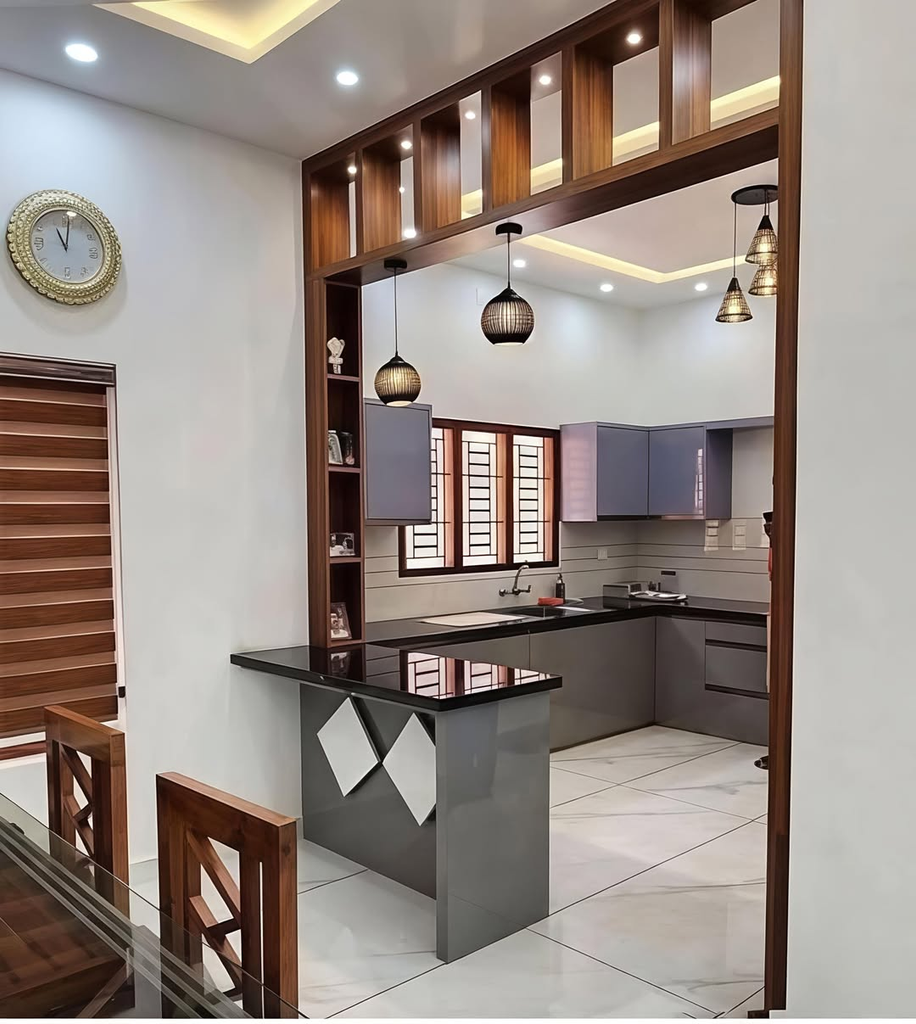
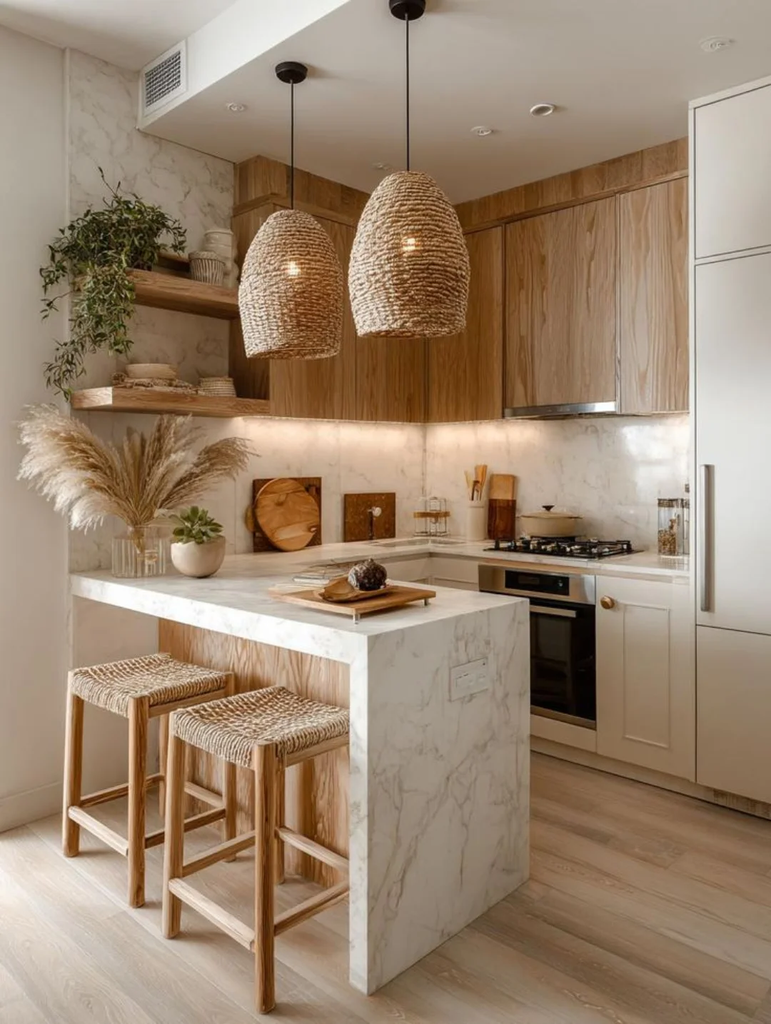
17. Counter-Height Table That Doubles as Prep Space and Desk
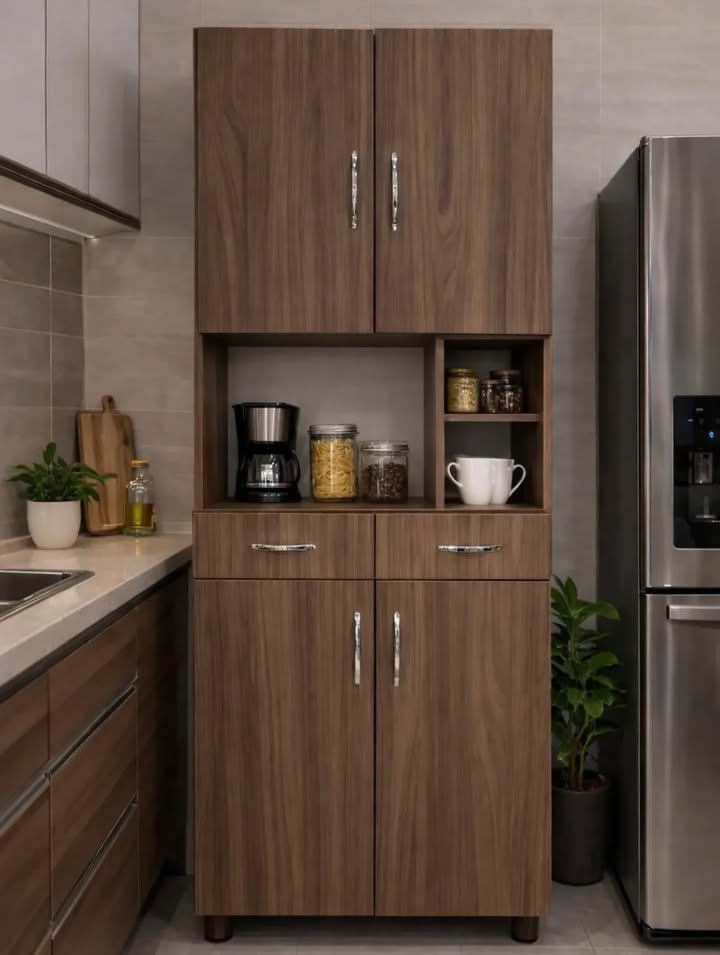
A narrow counter-height table (around 36 inches tall) can serve as a breakfast bar, extra prep surface and standing desk. Pair it with two stools that tuck fully underneath, and the whole setup nearly disappears. This is a smart fix when your kitchen has no counter space to speak of.
18. Bar Cart as Coffee Station
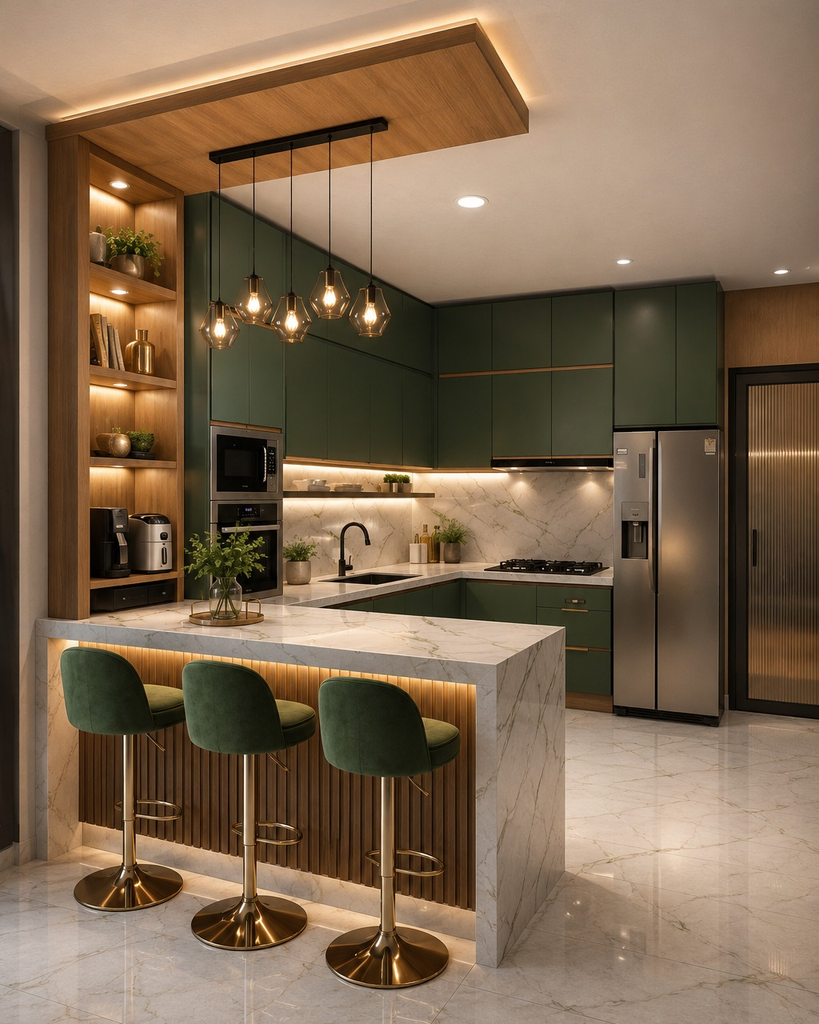
Bar carts are more useful than they look. Put a coffee maker, mugs and a tray on one and you’ve freed up a chunk of counter. I’d skip anything with open glass shelves if you have a cat or small kids, and pick one with a lipped edge so mugs don’t slide.
19. Dining Bench With Storage
A bench with a lift-up seat tucks under the table, seats more people than chairs would, and hides table linens, extra plates or seasonal serving dishes. It’s also a great match for a drop-leaf table, since benches slide fully underneath. Look for a seat at roughly 17 to 18 inches high so it works comfortably with a standard table.
Work, Entry and Bath: Multi-Functional Furniture for Everything In Between
These are the small, overlooked zones where one clever piece can make a big difference.
20. Fold-Down Wall Desk
A wall-mounted fold-down desk is the cleanest way to have a home office in a studio. When you’re done, it folds flat and looks like a shelf or a framed panel. The key is the mounting: it needs to be anchored into studs, so check your lease first. If drilling isn’t an option, a freestanding secretary-style desk gives you a similar effect.
21. Secretary Desk or Desk Hutch
A secretary desk closes up to look like a small cabinet and hides your laptop, papers and chargers behind a door. It’s the single best answer to the question of how to keep work out of sight during off hours when you live where you work. Vintage ones are often cheaper and better built than new ones, so check secondhand marketplaces first.
22. Entryway Bench With Shoe Storage
An entryway bench with cubbies or a shoe rack underneath gives you a place to sit while you put on shoes and a home for them afterward. This was the fix for my “tripping over shoes every single morning” problem, and it cost under $90. A slim one around 14 inches deep fits most narrow entries.
Pro tip: Add a wall hook rail above the bench and a small tray for keys. Together they handle about 90 percent of what normally ends up on your floor or counter.
23. Rolling Bathroom Cart
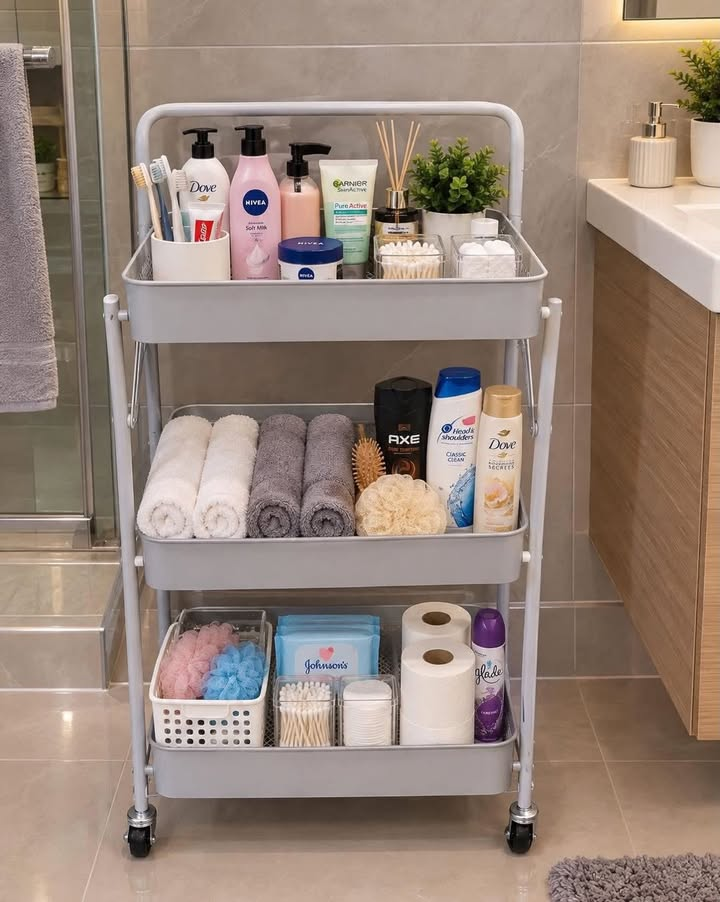
If your bathroom has no cabinet storage, a slim rolling cart slides next to the toilet or into a closet gap and holds towels, toiletries and cleaning supplies. It’s not glamorous but it’s one of the most useful small-space organization buys. Make sure it has a plastic or coated shelf surface, since steam is rough on bare wood.
24. Full-Length Mirror With Hidden Storage
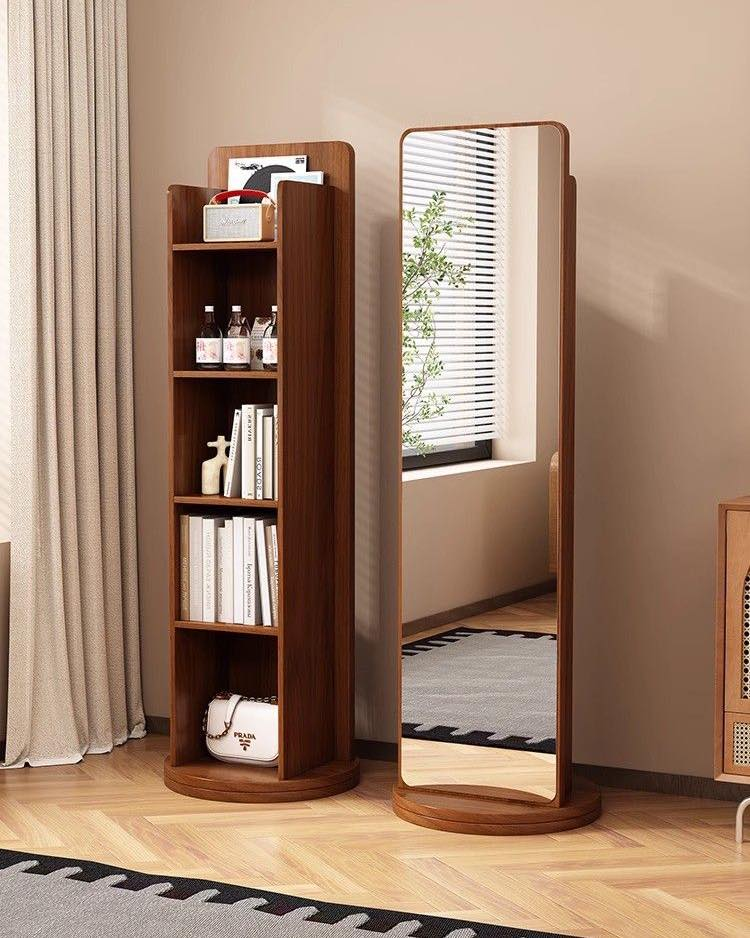
A tall mirror that opens to reveal jewelry or accessory storage replaces a mirror and a dresser-top organizer at once. Bonus: a big mirror makes a small room feel larger by bouncing light around. I like leaning versions for renters, since you don’t need to mount anything.
25. Pouf or Stool That Stores Blankets or Seats a Guest
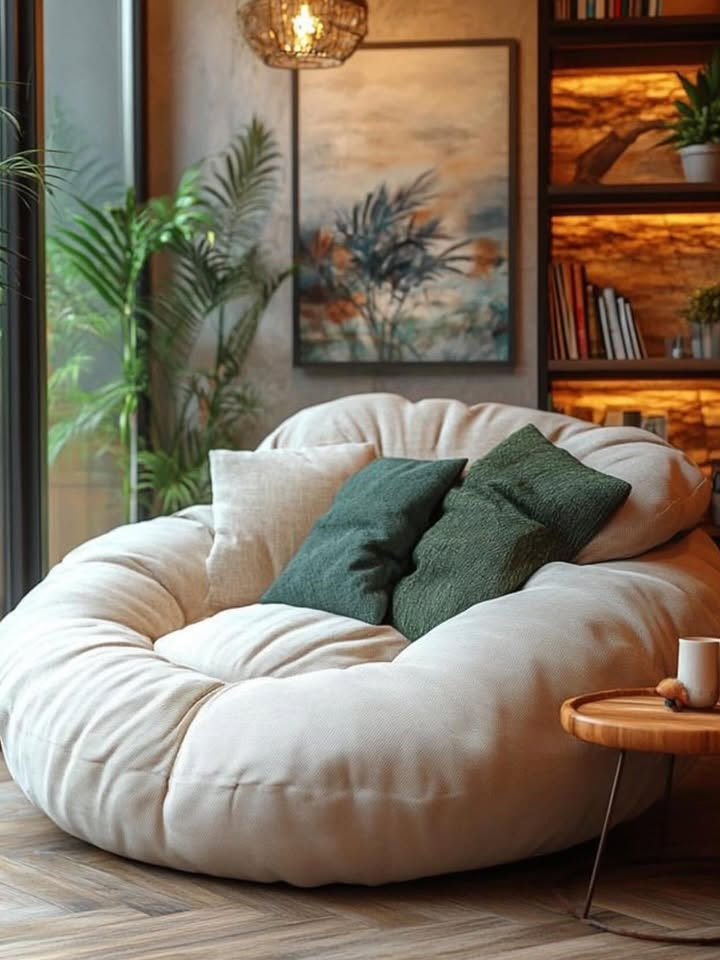
A large pouf is extra seating, a footrest and a storage bin all at once. Fabric ones with a zip-open base hold throws or a few kids’ toys. Choose a wipeable or tightly woven fabric, or it’ll show every spill.
26. Wall-Hung or Folding Chairs for Guests
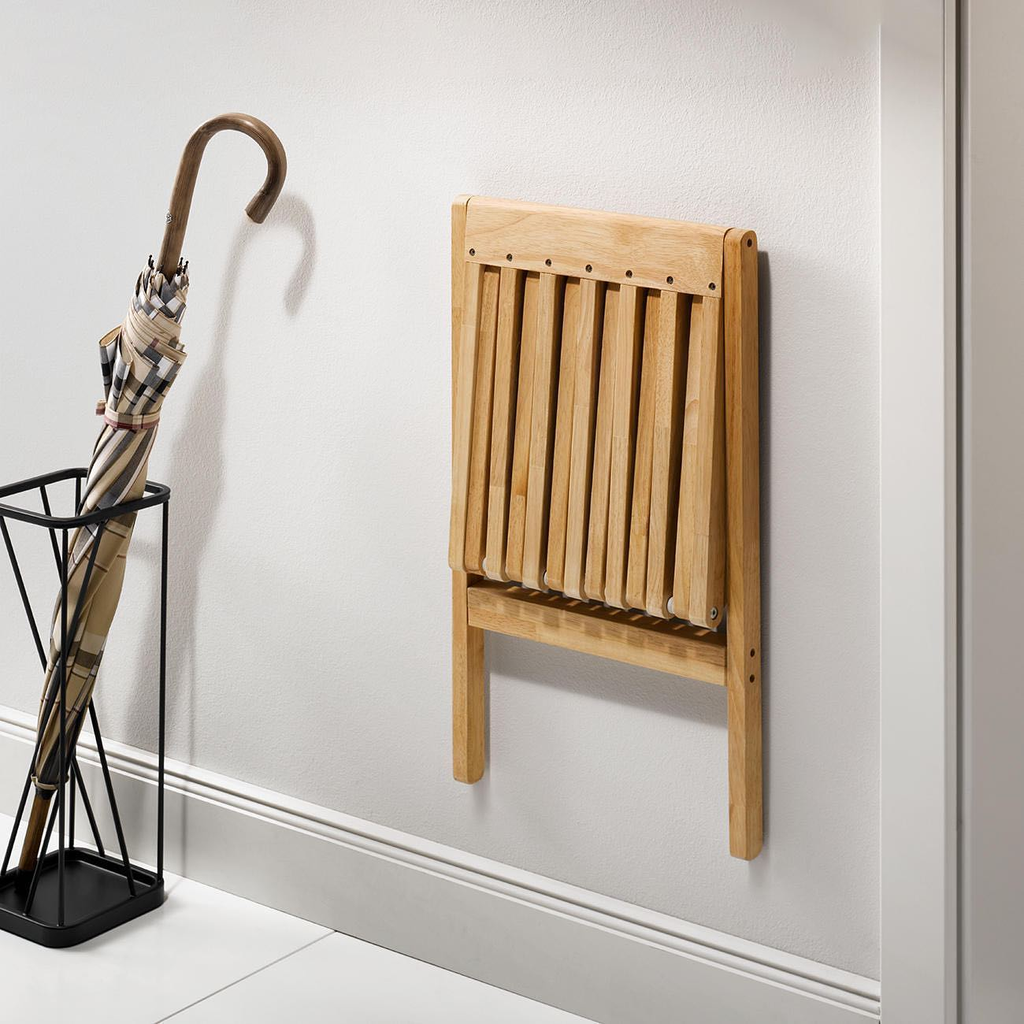
Folding chairs that hang on a wall hook or a slim rail are great if you only occasionally host. Pick ones that look good enough to be on display, such as slim wood or matte metal, and they become wall decor instead of closet clutter. They’re a lot easier to live with than a stack of folding chairs behind a door.
How Much Does Multi-Functional Furniture for Small Apartments Cost?
Here’s how I’d think about budget, because you don’t need to do all 26 of these at once.
- Under $100: nesting tables, floating nightstands, an entryway bench, a bar cart, a rolling bathroom cart, a pouf.
- $100 to $400: storage ottoman, lift-top coffee table, drop-leaf table, kitchen cart, platform bed (budget flat-pack), fold-down wall desk.
- $400 and up: a good sleeper sofa, solid wood platform bed with drawers, extendable dining table, loft bed, Murphy bed.
If I had to pick where to spend the most, it would be anything you use daily, like the bed and the sofa. Spend less on pieces you use occasionally.
Common Mistakes With Small Apartment Furniture
These are the ones I’ve made, watched friends make, or heard about from readers:
- Buying for the closed size only. Always measure the open footprint, including drawer, leaf and door clearance.
- Too many hybrids. If every piece has a hidden function, nothing has a clear home. Pick a few hard workers and keep the rest simple.
- Ignoring visual weight. Dark, bulky pieces eat a room even if they’re small. Legs and a lighter color help a lot.
- Skipping the delivery check. Measure doorways, hallways and stairwells. A reader once told me her sofa bed spent three weeks in the lobby.
What I’d Do First If I Were Starting Over
If I were back in that 410-square-foot apartment with a blank slate, I’d do three things in this order. First, swap the coffee table for a lift-top or storage ottoman. Second, get a bed with drawers and sell the dresser.
Third, add a drop-leaf table so the “dining room” could vanish when I wasn’t eating. Those three changes alone would have gotten me out of the sideways shuffle and back into a home that felt like mine.
Start with whichever piece solves your most annoying daily problem, and let the rest of your multi-functional furniture for small apartments grow from there.


Leave a Reply