
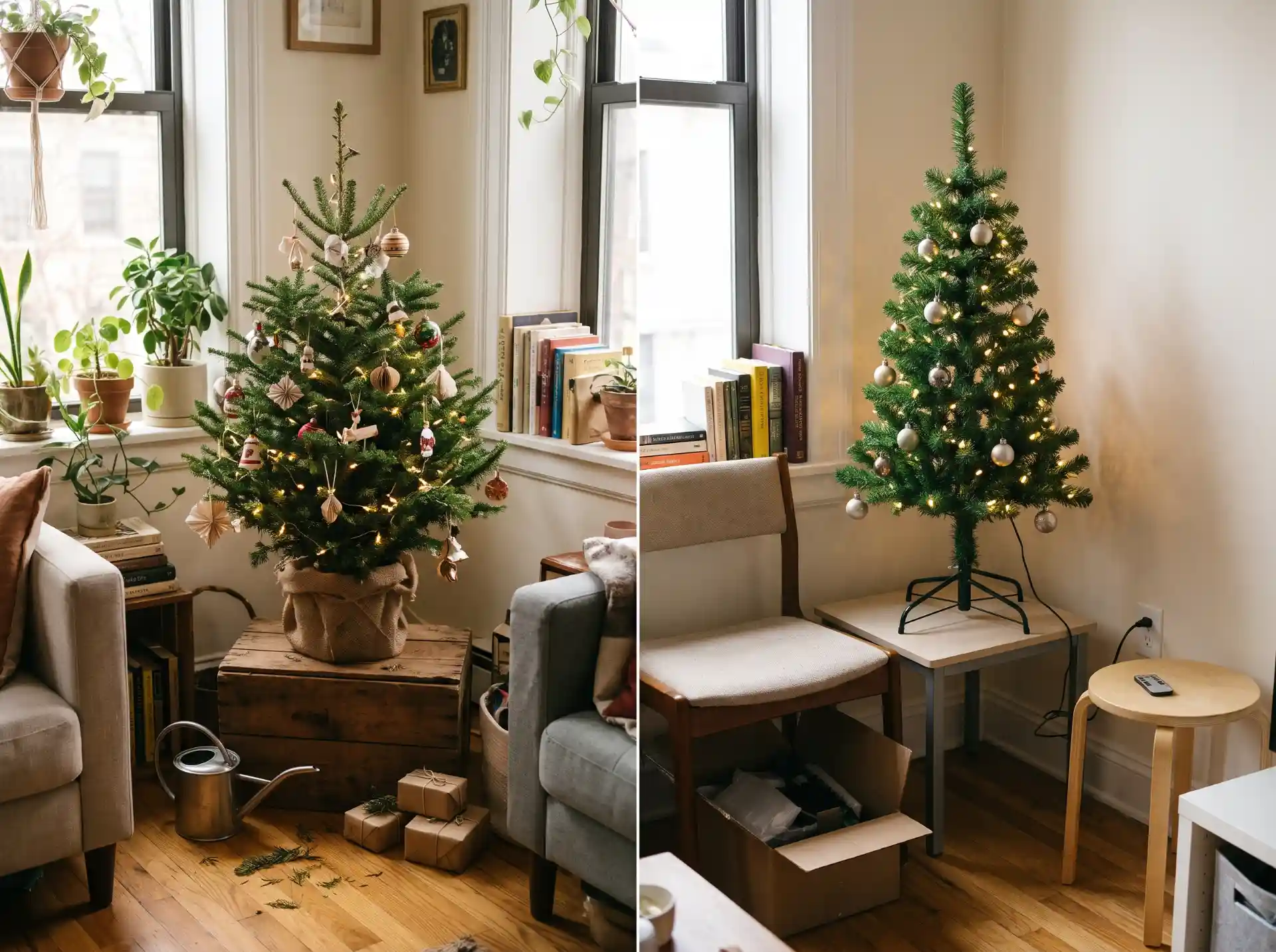
The first Christmas in my 410 square foot studio, I bought a gorgeous 7 foot Fraser fir from a lot two blocks away and dragged it up three flights of stairs by myself.
It left a trail of needles from the stairwell to the window, it blocked my only path to the kitchenette, and by December 19th I was sweeping up more tree than was actually on the tree. I loved it anyway.
Then I did the math on what it had cost me in time, water-stained floors, and one very cranky Saturday, and I started asking whether I was doing this wrong.
If you’re staring at a small living room, a dorm corner, or a studio where the “entryway” is a doormat, the real vs artificial Christmas tree for small spaces question is not the same one people ask in a house with a bonus room. Square footage, storage, and cleanup carry way more weight than whether the branches look perfect in a photo. I’ve now lived through both options in tight spaces, and I’ve watched friends and readers make the same handful of mistakes, so I’m laying it all out.
Before you buy anything, it’s worth reading through the Christmas decorating ideas for apartments I put together, because the tree is only one piece of making a small place feel festive. And if your layout is the real problem, my guide to ideas for separating spaces in a studio will help you figure out where a tree can live without swallowing the room.
Here are the 12 factors that actually decided it for me, in roughly the order they bit me.

1. How Much Floor Space a Tree Really Takes
This is the factor that matters most in a small apartment, and almost nobody measures it. A full 7 foot artificial tree can be 50 to 60 inches wide at the base, which is basically a coffee table you can’t put anything on.
Real trees vary a lot by species, but a typical 6 to 7 foot tree runs about 4 feet across once the branches settle.
The fix is to buy for width, not height. Slim artificial trees (often sold as “pencil” or “slim” profiles) come in around 24 to 36 inches wide at the base. Real trees are harder to shop this way, though some lots will let you pick a narrow Noble fir or a tall skinny Douglas fir if you ask.
Tape the footprint on your floor with painter’s tape before you commit. Mark a circle at the width you’re considering and live with it for an evening. You’ll know within an hour whether it works.
Pro tip: Measure the walking path, not just the empty corner. A tree that fits in the corner but narrows your main path to under 30 inches will annoy you every single day for a month.
2. Ceiling Height and Tree Height
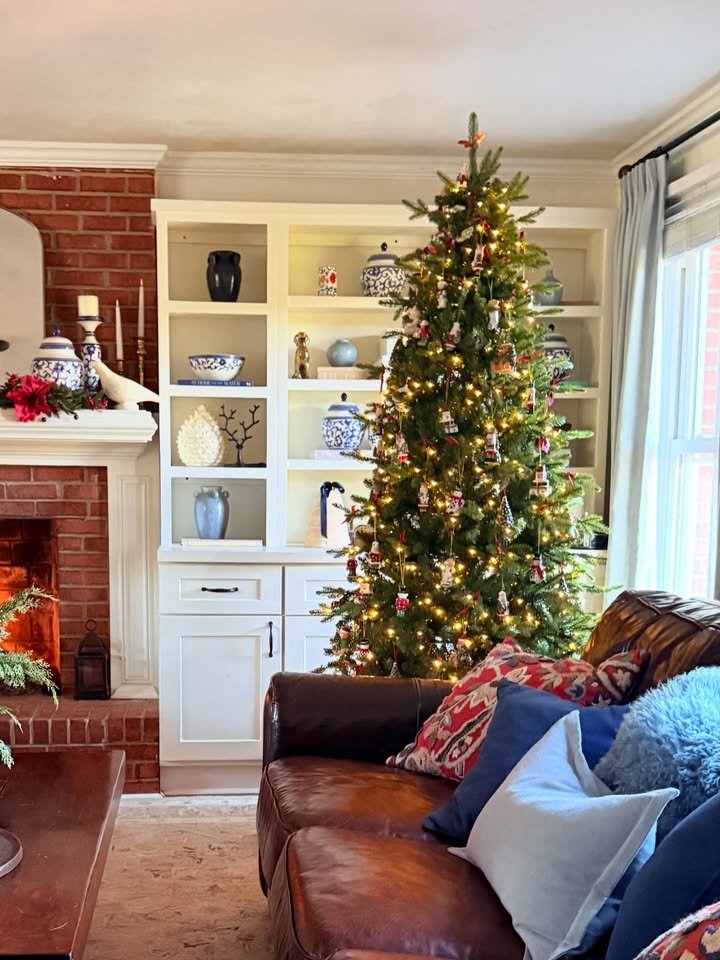
Standard ceilings are about 8 feet, and a tree plus a stand plus a topper eats into that fast. A 7.5 foot tree on an 8 foot ceiling leaves you with a bent star or a topper jammed sideways.
In older buildings and some converted lofts, ceilings can be lower or oddly sloped, which makes this worse.
My rule is to leave at least 6 inches between the top of the tree and the ceiling, more if you want an actual topper. A 6 foot slim tree in a studio often looks more elegant than a 7 footer pushed up against the ceiling, because the room can breathe around it.
If you’re torn on sizing, my post on mistakes people make decorating a small apartment covers scale in more detail. Oversized furniture and oversized trees share the same problem.
3. Needle Mess and Cleanup

This is where real trees cost you the most in a small place. In a house you can sweep a mudroom. In an apartment, those needles end up in your bed, your rug, and somehow your shoes.
Some species hold needles much better than others: Fraser and Noble firs generally shed less than spruces, which are notorious for dropping.
Artificial trees shed too, just differently. Cheap ones leave little plastic bits and fibers, particularly when you first unbox them, and some flocked trees leave flakes. It’s a much smaller cleanup, though.
If you go real, put a tree removal bag under the stand before you set it up, then pull the bag up around the tree at the end of the season. It cuts January cleanup roughly in half. A hand vacuum is a better investment than any tree accessory.
4. Smell, Allergies, and Tiny Air Spaces
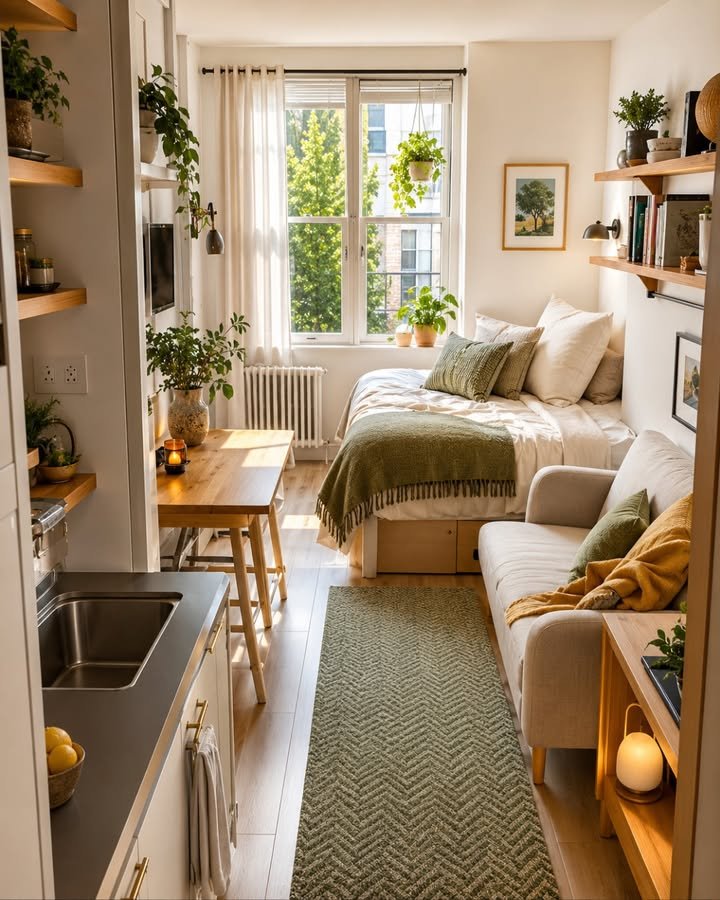
I’ll say what the tree lot won’t: a real tree in a 410 square foot space is a lot of pine. In a house the scent drifts around. In a studio it’s the whole room. Some people love it and some get headaches by day four.
Real trees can also bring mold spores and pollen indoors, which affects some allergy sufferers.
My reader Danielle emailed me last year to say her sneezing stopped completely the week she switched to an artificial tree, and she’d been blaming her cat for three Decembers.
Artificial trees can collect dust in storage, so wiping or lightly vacuuming the branches before you set one up matters.
If you want the smell without the tree, a good pine candle or a bundle of fresh cut fir branches in a vase gives you the scent in a much smaller dose. A single bundle of branches costs a few dollars at most tree lots.
5. What a Real vs Artificial Christmas Tree Actually Costs Over Time
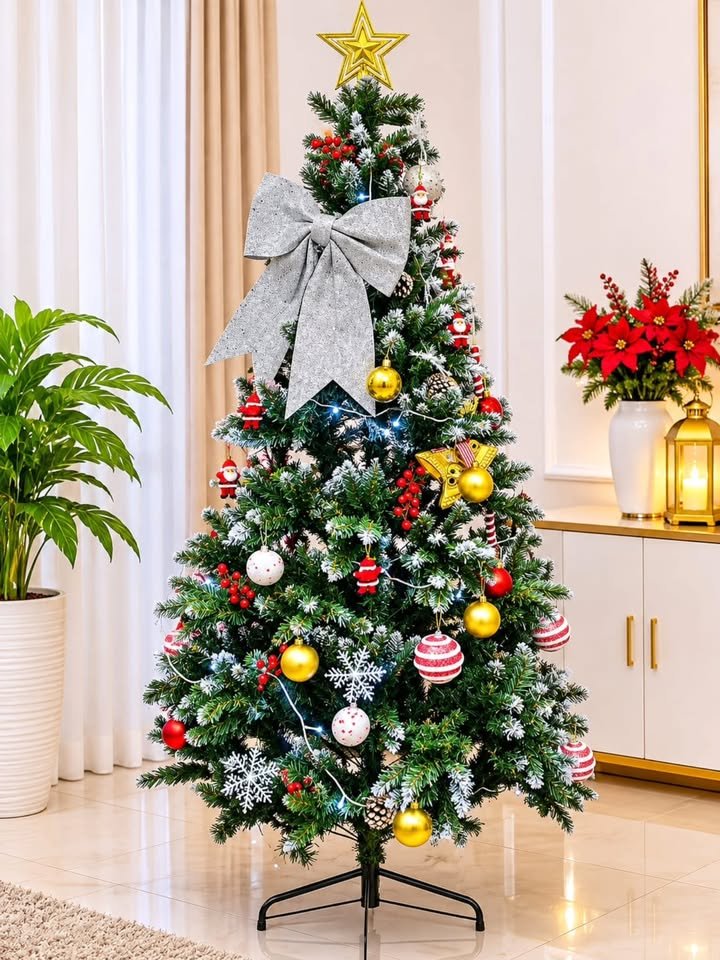
Price is where the debate usually gets stuck, because the upfront numbers lie. A real tree is cheaper on day one, but you pay again every year. An artificial tree stings at checkout but gets cheaper every year you keep it.
| Factor | Real Tree | Artificial Tree |
|---|---|---|
| Typical price (6 to 7 ft) | $60 to $120 | $90 to $300 for a decent slim pre-lit |
| Extras you’ll need | Stand with water reservoir, tree bag, delivery or a way to carry it | Storage bag, replacement bulbs or light strand |
| Cost repeats each year? | Yes | No |
| Break-even point | Roughly 4 to 6 seasons for a mid-priced artificial tree | |
| Best for | One-off Christmases, people who love the ritual | Anyone staying put for several years |
Prices vary by city and retailer, so treat these as ballpark figures. The break-even idea is the useful part: if you’ll be in the same apartment (or at least keep the same tree) for five Christmases or more, artificial wins on cost.
If you move every year, a real tree or a small tabletop version may make more sense than hauling a large boxed tree from lease to lease.
Pro tip: Buy an artificial tree in the weeks after Christmas. Retailers mark them down hard, and a tree I’d eyed at $189 in November was under $100 on December 27th.
6. Setup Time and the Stand Problem
Real trees take longer than anyone admits. You need to trim the trunk base, get it straight in the stand (which always takes two people and three tries), and fill the reservoir. A good water-holding stand is worth the money, because a flimsy one tips and a shallow one runs dry overnight.
Artificial trees are faster, but “faster” depends on the model. Cheap multi-piece trees require fluffing every branch, which can take an hour, and I’ve done it with a mug of cocoa and a podcast and still resented it by branch 200.
Hinged trees, where the branches fold down and spring out, are much quicker to set up.
Real trees need water, and a lot of it. A good guideline is about a quart of water per inch of trunk diameter per day, and a fresh cut tree can drink a surprising amount in the first couple of days. Check it daily, because a dry tree is both a mess and a fire risk.
7. Lights: Pre-Lit vs Stringing Your Own
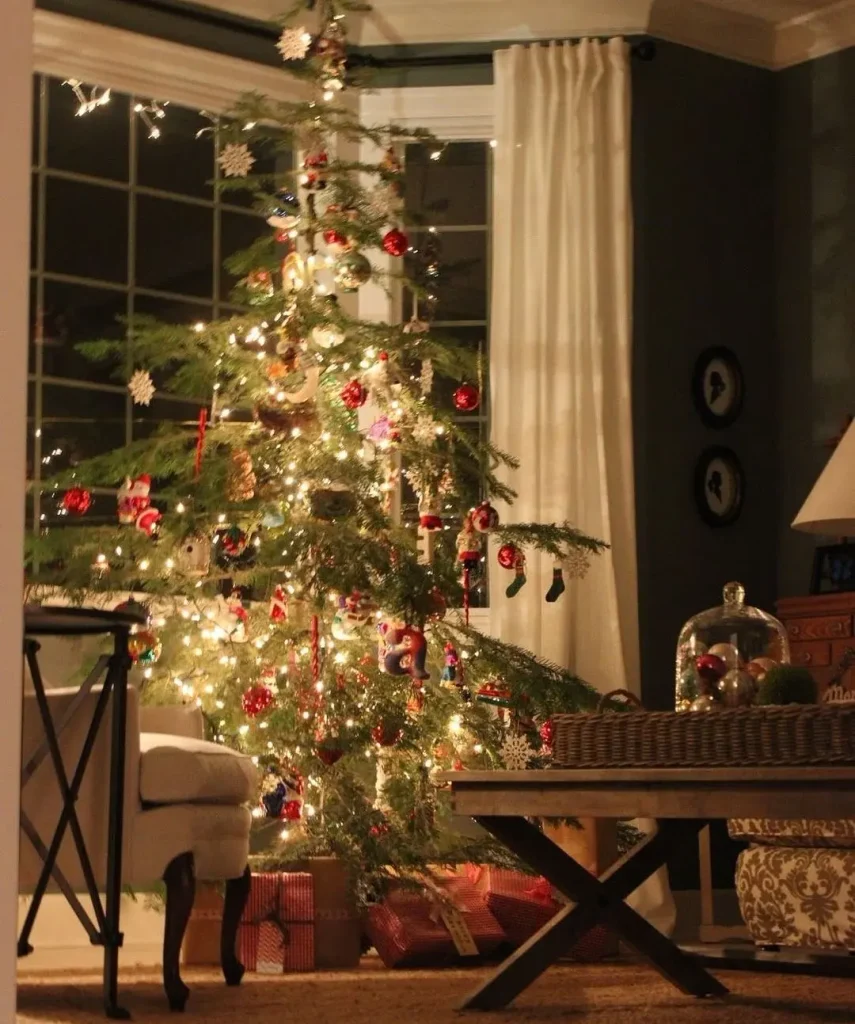
In a small space, lights are where an artificial tree pulls ahead for convenience. A pre-lit slim tree plugs into one outlet and you’re done, which matters when your only free outlet is behind the couch. Stringing lights on a real tree takes patience and about three strands to look full.
The downside of pre-lit is that when a section dies, it’s hard to fix. I had one go half dark on December 14th, and my friend Marcus (who is handy) ended up wrapping a separate strand around the dead section, which actually looked fine.
Look for trees that keep working when one bulb fails, and buy one with a decent warranty.
If you want to see what’s out there for decorations that suit a small tree, my roundup of the best Christmas decor pieces has several that work especially well on slimmer branches.
8. Storage Space Is the Hidden Deal Breaker
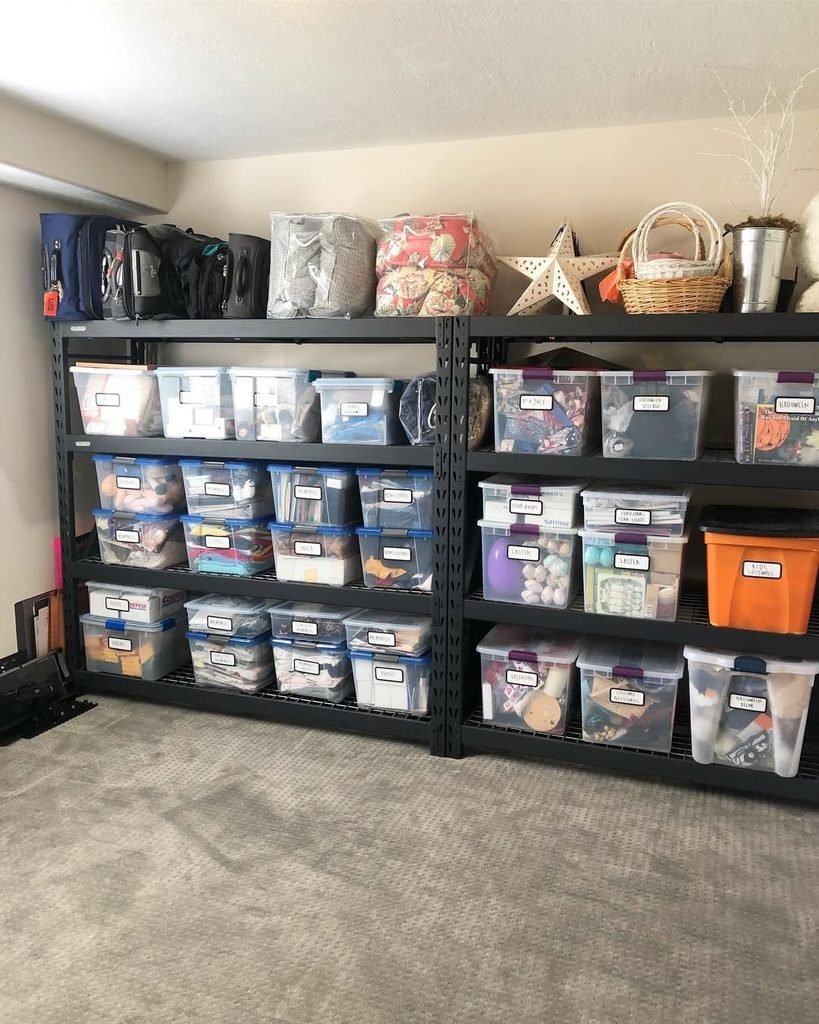
This one decided it for most of my apartment friends. A real tree needs no storage, which is a huge win if your closet is a suggestion. An artificial tree needs a 3 to 4 foot long box or bag that has to live somewhere for 11 months.
Slim and hinged trees fold into a much smaller package than full trees. Under-bed storage, the top shelf of a closet, or behind a couch can all work if you measure first.
A friend of mine, Priya, keeps hers in a long zippered storage bag standing upright behind her bedroom door, and you’d never know it’s there.
If you genuinely have nowhere to put it, that alone may push you to a real tree or a tabletop version. Don’t let a good deal on an artificial tree tempt you into a purchase you have to rent a storage unit for.
Pro tip: Keep the original box if it’s sturdy, and photograph how the branches are color-coded or numbered before you take it apart. Next year’s setup goes twice as fast.
9. Fire Safety in a Small Apartment
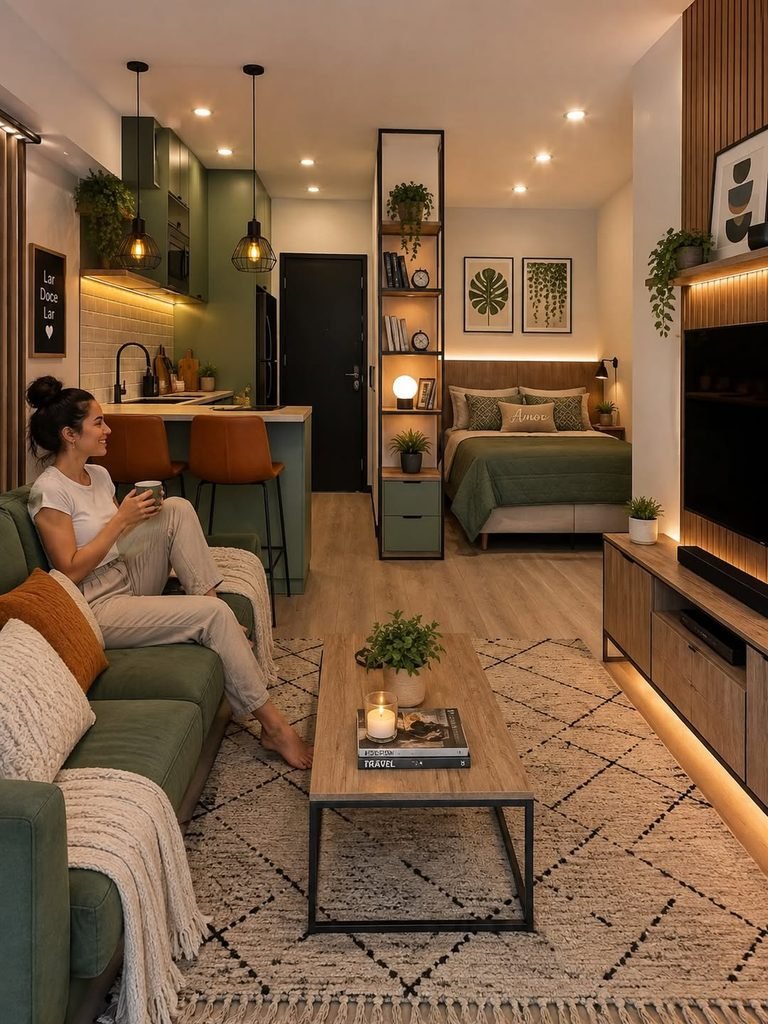
Fire risk is real with a dry tree, and in a small space the distance between the tree and everything else is short. Keep a tree at least 3 feet from radiators, space heaters, fireplaces, and candles, which can be hard to do in a studio.
Real trees dry out through the season, and a tree that’s lost most of its moisture can ignite quickly.
Many artificial trees are labeled flame retardant, which is worth looking for, though it doesn’t make them fireproof. Whichever you choose, use LED lights, which stay cooler, and turn the lights off when you leave or go to bed.
Check your lease and your building’s rules too. Some apartment buildings and dorms ban real trees outright for fire code reasons, and finding that out after you’ve bought one is a miserable moment. A quick message to your landlord or RA saves you a lot of trouble.
10. Pets, Kids, and Renter Rules

My cat Biscuit treated our first real tree like a personal gym.
Real trees are a hazard for pets in a few ways: the water in the stand can contain preservatives or bacteria, the needles are irritating if swallowed, and a determined climber can tip a tree in seconds. Some pets have no interest, but if yours does, an artificial tree anchored to the wall or a tabletop tree on a high surface is safer.
Renters have a few extra considerations. A heavy tree can dent or scratch hardwood, so a felt-bottomed stand or a rug underneath protects your deposit.
And if you want to anchor a tree to a wall or hang decorations, my guide on how to hang things in a rental without losing your deposit will keep you from putting holes where you shouldn’t.
If you have toddlers, the same logic applies: stable base, shatterproof ornaments up high, and nothing sharp or edible at ground level.
11. Tabletop and Alternative Small Space Trees
Sometimes the right answer to real vs artificial is neither. If your floor space is nearly zero, a tabletop Christmas tree for apartments gives you the full feel in about two feet of height. You can set it on a console, a bookshelf, or a dedicated side table, and it’s off the floor and away from pets.
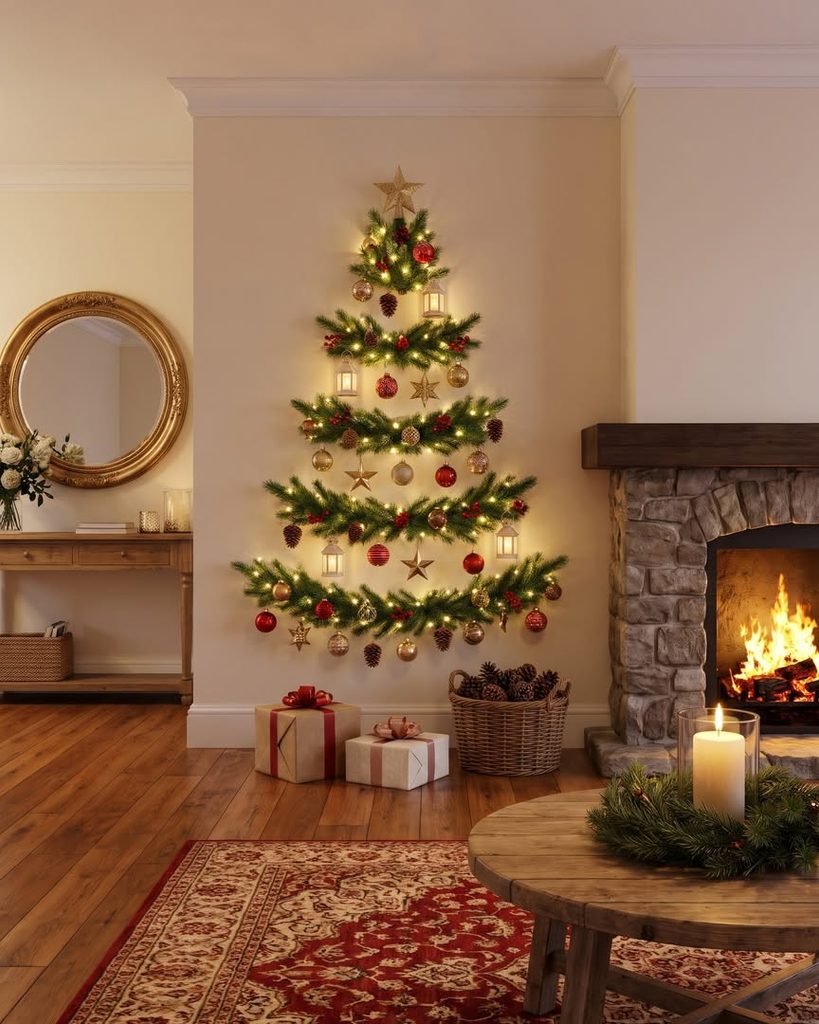
Other options I’ve seen work in small spaces include a flat wall tree made from string lights, a potted rosemary tree, and a leaning garland tree made from a few fresh branches.
These cost less, store flat, and still say “Christmas” the moment you walk in.
For the mantel and shelf side of decorating, my Christmas mantel decor ideas pair nicely with a tabletop tree if you don’t have room for a full-size one. A tree on the floor and a lived-in mantel is a lot for a small room, so pick one hero piece.
Pro tip: A live potted rosemary tree costs about the same as a grocery store bouquet, smells great, and you can use it in cooking after the holidays.
12. Which One I’d Pick Based on Your Situation
After all of this, here’s how I’d decide, based on the situation you’re in rather than a blanket rule.
| Your Situation | My Pick | Why |
|---|---|---|
| Studio under 500 sq ft, no storage | Real tabletop or small real tree | No year-round storage needed |
| Staying 3 or more years | Slim pre-lit artificial | Costs less each season |
| Allergies or asthma | Artificial, wiped before use | Fewer irritants indoors |
| Dorm or strict building rules | Small artificial or tabletop | Often required by fire code |
| Curious cat or dog | Tabletop on a high surface | Safer and harder to tip |
| You love the smell and the ritual | Real, narrow species | It’s worth the cleanup to you |
One more thing on decorating: whichever tree you choose, a small space usually looks better with fewer, larger ornaments in a tight color palette than with a hundred mismatched ones. It keeps the tree from reading as visual clutter in a room that’s already working hard.
My Honest Wrap-Up
If I were starting over in my first studio, I’d skip the 7 foot Fraser fir and buy a 6 foot slim pre-lit artificial tree in the January sales, then keep it behind the bedroom door in a zip bag. I’d still buy a small bundle of real fir branches every December for the smell, because that’s the part of a real tree I actually missed.
That combination is how I’d settle the real vs artificial Christmas tree for small spaces question for myself: the convenience of fake, with a little bit of the real thing for the season.
If your lease and your floor plan give you more room than mine did, a real tree is still a lovely thing. Just go in knowing what it costs you in water, needles, and sweeping.
Frequently Asked Questions
Is a real or artificial Christmas tree better for a small apartment?
It depends on storage and how long you’ll stay. If you have somewhere to store it and plan to stay for several years, a slim artificial tree is usually the better value. If storage is nonexistent or you move often, a real or tabletop tree can work better.
What size Christmas tree is best for a small living room?
A slim tree around 6 feet tall and 24 to 36 inches wide fits most small living rooms well. Leave at least 6 inches between the top of the tree and your ceiling, and keep a clear walking path of about 30 inches.
How long does a real Christmas tree last indoors?
A fresh cut tree that’s watered consistently typically lasts about 4 to 5 weeks. Check the water level daily, since a tree that dries out drops needles faster and becomes a fire risk.
How many years do you have to use an artificial tree to make it worth it?
For a mid-priced artificial tree, the break-even compared to buying a real tree every year is usually somewhere around 4 to 6 seasons. Cheaper trees may wear out sooner, so quality matters here.
Are artificial Christmas trees safer than real ones?
Artificial trees dry out less, and many are made with flame-retardant materials, but neither type is fireproof. Keep either one at least 3 feet from heat sources and use LED lights.
Where can I store an artificial Christmas tree in a small apartment?
Under the bed, on a closet shelf, behind a door, or upright behind a couch in a long storage bag. Hinged and slim trees pack down much smaller than full-width ones, so measure your space before you buy.
Can I have a Christmas tree in a studio apartment without losing floor space?
Yes. Try a tabletop tree on a console or bookshelf, a wall mounted light tree, or a corner placement with a slim profile. My guide to the best room dividers for studio apartments can also help you carve out a spot where a tree won’t interrupt the flow of the room.


Leave a Reply