
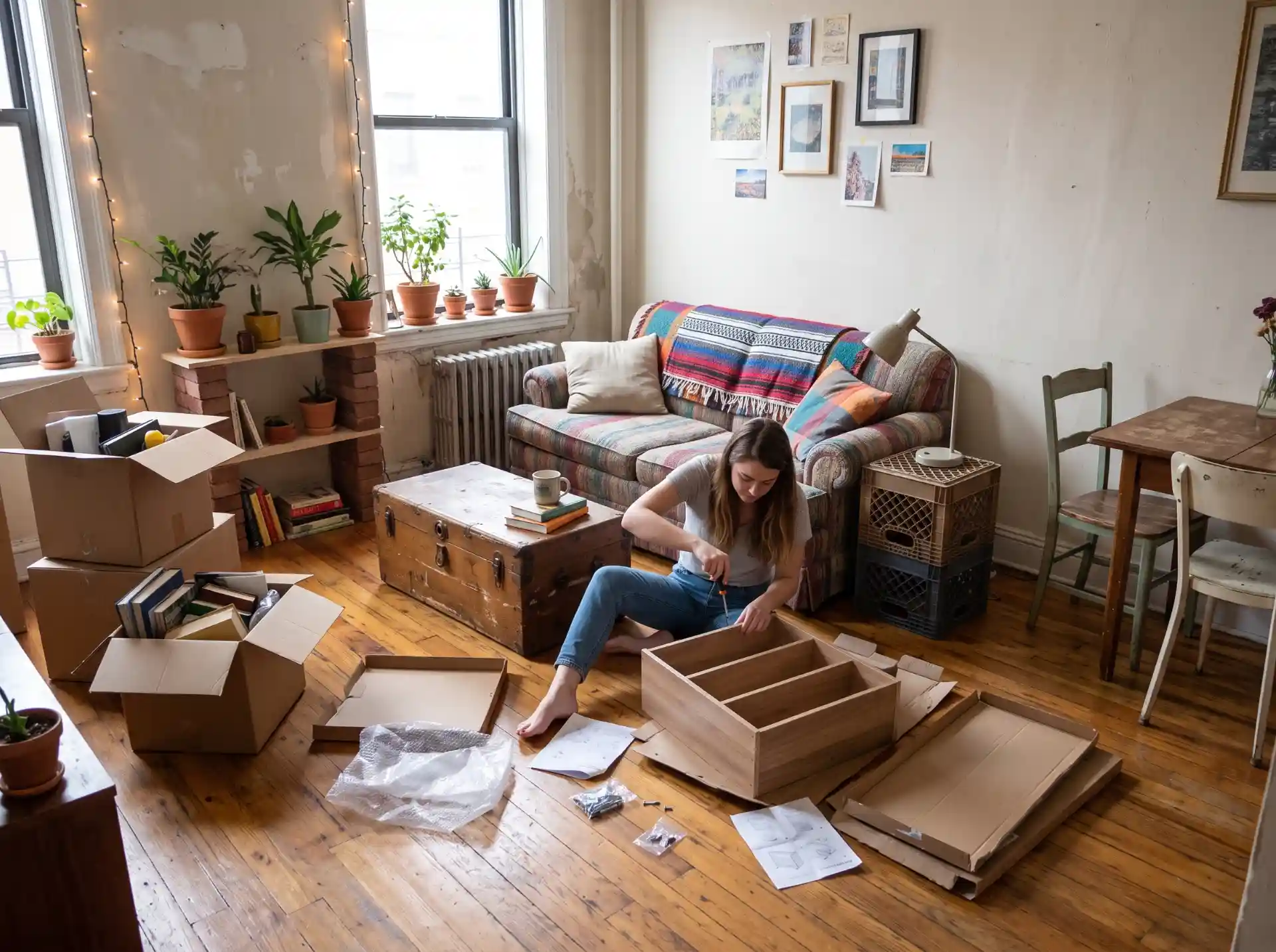
My first apartment had a mattress on the floor, a camping chair, and a cardboard box I used as a nightstand for almost four months.
I’d spent my entire move-in budget on the deposit and first month’s rent, and I genuinely believed I’d “figure out the furniture later.” Later turned out to be a very expensive series of impulse buys I mostly ended up donating.
If you’re trying to furnish a first apartment on a budget, here’s the good news: you do not need to buy everything at once, and you definitely don’t need to buy new.
Here’s the bad news: the order you buy things in matters way more than I thought it did, and a few “cheap” purchases are secretly the most expensive mistakes you can make.
This guide is the plan I wish I’d had. I’ll walk you through what to buy first, what to skip entirely, where to find good secondhand pieces, how much each room really costs, and a few tricks I’ve picked up from my own mistakes and from friends who’ve done this on very little money.
Grab your lease and a tape measure, because we’re starting there.
Before You Buy Anything: The Three-Step Reality Check
The single biggest budget-wrecker is shopping before you know what you’re working with. Spend one afternoon on this and you’ll save hundreds.
1. Measure everything. Doorways, hallways, the elevator, the stairwell turns, and each room. My college friend Dana bought a gorgeous $240 sofa on Marketplace and then spent a Saturday discovering it would not turn the corner on her third-floor walk-up.
She sold it for $90 less than she paid. Write down your measurements in your phone notes so they’re with you every time you’re tempted by a deal.
2. Read your lease for the boring stuff. Can you paint? Can you drill into walls? Are there window coverings already? Does the unit come with a fridge, a stove, or a washer? Renters who skip this end up buying things they already have or can’t use.
3. Set a real number, then split it. I like a simple split for a first apartment: roughly 40% bed and sleep setup, 25% kitchen basics, 20% seating and living area, and 15% for storage, lighting, and the “oh right, I need a shower curtain” stuff.
Your numbers will shift, but having percentages stops you from blowing everything on a sofa and then eating dinner off your lap.
Pro tip: Keep a running 10% buffer you don’t assign to anything. Every first apartment has surprise costs: a curtain rod that doesn’t fit your window, a toilet brush, a power strip, a tool you suddenly need. The buffer keeps those from landing on a credit card.
The First-Apartment Priority List: What to Buy in What Order
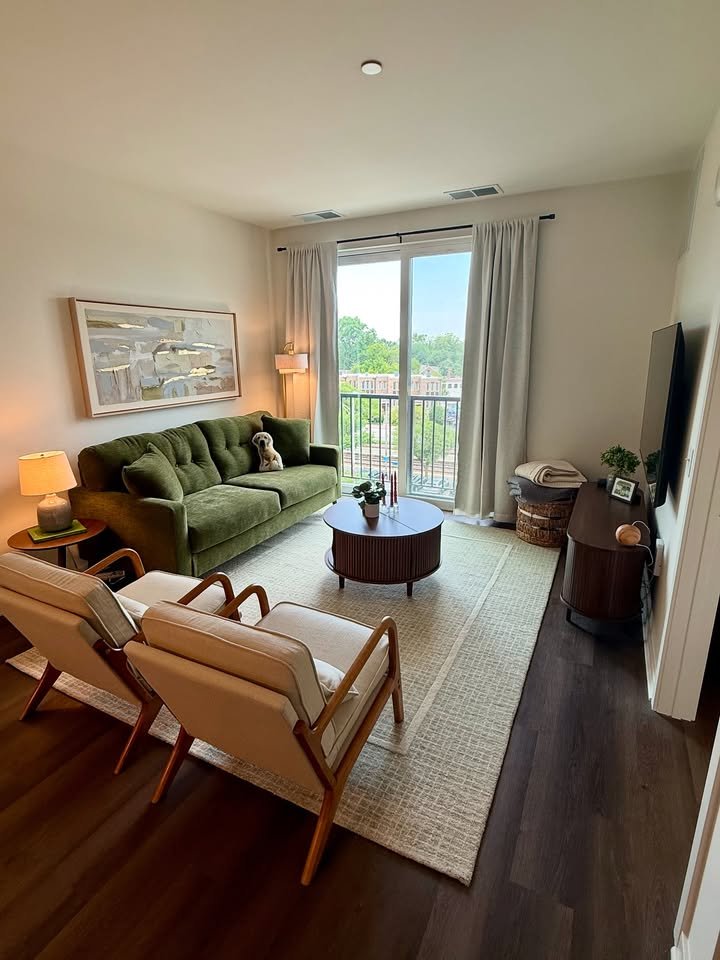
Here’s the order I’d follow if I were starting over. The idea is simple: buy for daily function first, comfort second, style last.
Week One: The Non-Negotiables
- A real bed setup (mattress, base or frame, sheets, pillows, one decent blanket)
- Basic kitchen tools (one pan, one pot, one knife, a cutting board, a few plates and utensils)
- Bathroom essentials (shower curtain and liner, towels, bath mat, toilet brush, trash can)
- Cleaning basics (broom, dustpan, a mop or flat mop, sponges, trash bags)
- Lighting (at least one lamp, because overhead lighting in most rentals is harsh and depressing)
Month One: Daily Comfort
- A seating option, even if it’s just a chair or a thrifted loveseat
- A small table that works for eating and laptop time
- Storage for your clothes if your closet is tiny
- Curtains or blinds if your place has none
Months Two to Six: The Fun Stuff
- Rugs, art, plants, throw pillows, decor
- A better sofa or desk if you started with a placeholder
- Extra kitchen gear as you figure out what you actually cook with
I’ll be honest: I ignored this order and bought a decorative mirror in week one. It’s a lovely mirror. It also leaned against my wall for six weeks because I had nowhere to sit.
Where to Find Cheap Furniture for a First Apartment
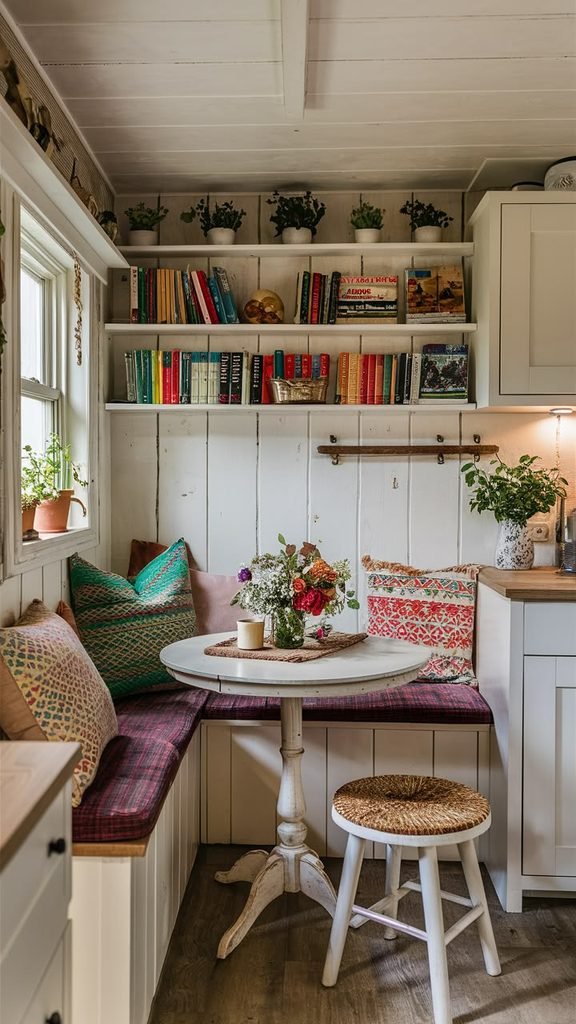
The whole game here is knowing where to look and what to look for. Not every source is equal, and the cheapest option isn’t always the best value.
Facebook Marketplace and Craigslist
These are the best sources for solid wood furniture, dressers, desks, and dining tables. People move, upgrade, or split up and just want things gone. Search with specific terms like “solid wood dresser” instead of “dresser,” and check listings a few times a day because good pieces vanish fast.
Always ask if the item is from a smoke-free, pet-free home, and meet somewhere safe or bring someone with you.
Thrift Stores and Habitat for Humanity ReStores
Thrift stores are great for kitchenware, lamps, mirrors, and accent tables. ReStores (run by Habitat for Humanity) are underrated for furniture, hardware, and sometimes new-in-box items at a steep discount. Go on weekday mornings if you can, since inventory is freshest then.
Buy Nothing Groups and Neighborhood Apps
Free is the best price. Your local Buy Nothing group is full of people clearing out perfectly good furniture, kitchen stuff, and storage.
I found a full set of pots and pans this way, and the person even threw in a colander. Post a specific “in search of” request too; people will often dig through their garage for you.
Move-Out Season
If you live near a college, the last week of April through mid-May is a gold mine. Students leave behind or practically give away futons, mini fridges, desks, and lamps.
Late August and early September has the reverse effect in some towns, with landlords and tenants clearing out leftovers.
Big Box Stores and Flat-Pack Retailers
Sometimes new is the right answer, especially for mattresses, bed frames, and shelving. IKEA, Target, Walmart, and Amazon all carry budget furniture that works fine for a first apartment.
Just know what you’re getting: particleboard doesn’t love being moved, so assemble it carefully and plan on it being a “for now” piece.
Secondhand vs. New: What to Buy Which Way
This is the table I wish someone had handed me before I spent $60 on a wobbly side table.
| Item | Buy Secondhand? | Why |
|---|---|---|
| Dresser | Yes | Solid wood lasts decades and costs less used than new particleboard |
| Desk / dining table | Yes | Easy to inspect, hard to damage |
| Bookshelf | Yes | Test stability by pushing gently on the frame |
| Sofa | Sometimes | Great if you can verify no smells, pests, or sagging; otherwise risky |
| Mattress | New | Hygiene and bed bug risk make secondhand a bad gamble |
| Pillows, bedding | New | Cheap enough to buy fresh |
| Pots, pans, utensils | Yes | Thrifted cast iron and stainless last forever |
| Small appliances | Test first | Plug it in at the store or ask for a demo |
| Upholstered chairs | Sometimes | Check seams, smell, and under the cushions |
| Lamps | Yes | Easy to rewire or just swap the shade |
Pro tip: Before buying any used upholstered piece, flip up a cushion and smell it. Then check the seams and underside with your phone flashlight for any signs of pests. It feels awkward in front of a stranger. Do it anyway.
Furnishing the Bedroom on a Budget
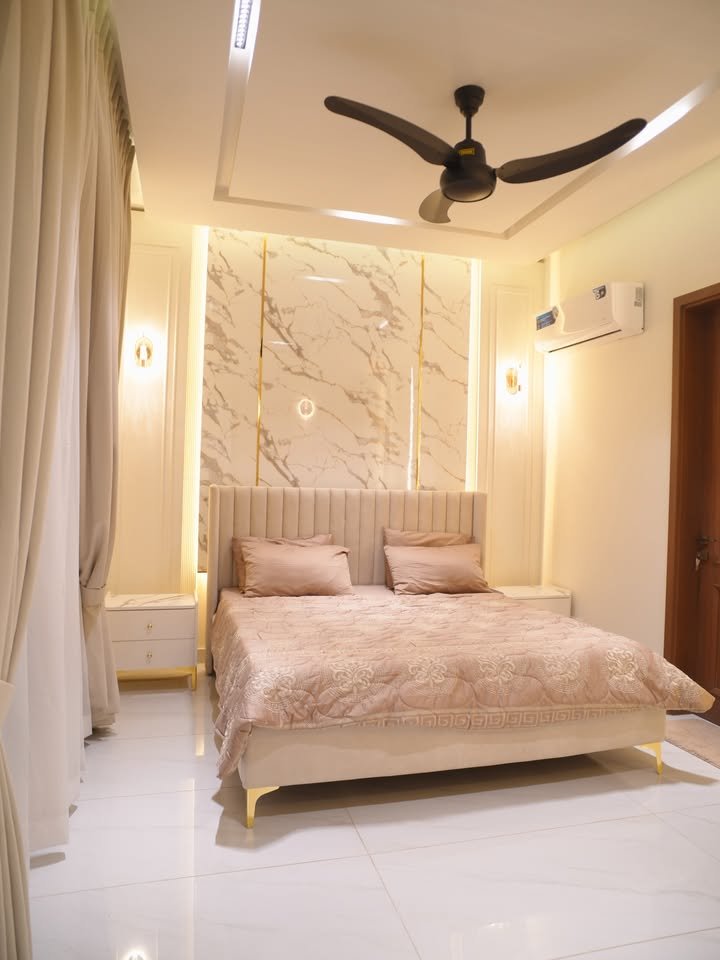
Sleep is the one area where I’d tell you not to cheap out completely, because a bad mattress costs you in ways that don’t show up on a receipt.
The Mattress
A decent bed-in-a-box mattress runs anywhere from about $200 to $500 for a twin or full, and brands often run sales around holidays. If you’re really stretched, a quality foam topper over a basic mattress can improve things for under $60. Skip used mattresses entirely.
The Frame
You don’t need a fancy frame. A simple metal platform frame costs under $100 and gives you under-bed storage, which matters a lot in small apartments.
If you’re truly broke, a mattress on a box spring on the floor works temporarily, but floor sleeping can trap moisture in some climates, so keep an eye out for dampness.
Bedding and Basics
One good set of sheets beats three bad ones. I’d buy two sets total: one on the bed, one in the wash.
A comforter or duvet insert plus a washable cover is cheaper and easier to clean than a single big comforter.
Storage
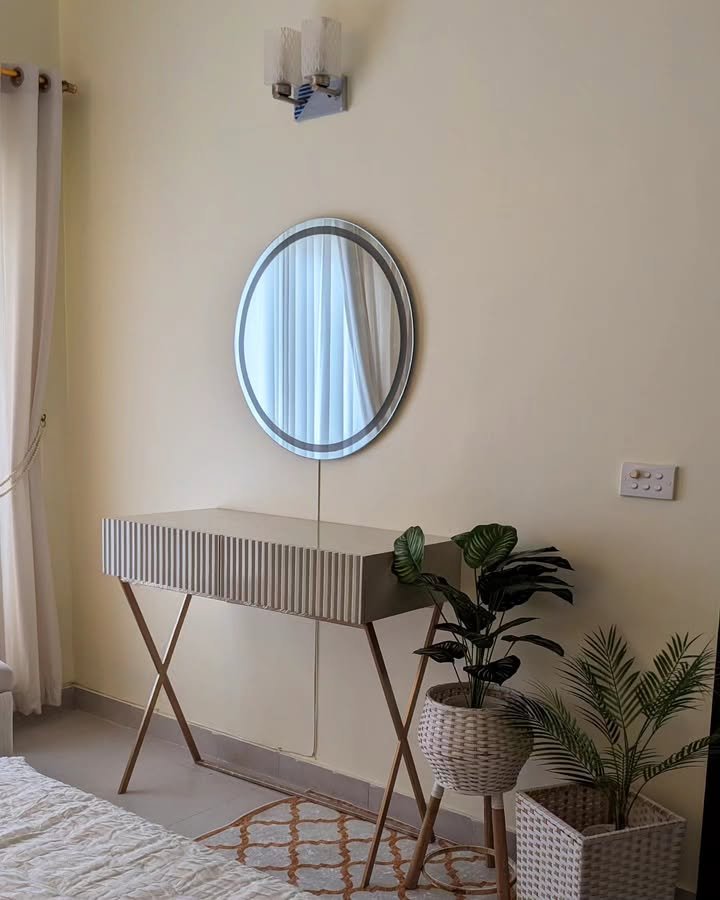
If your closet is small, add a freestanding rack or a thrifted dresser. A set of bed risers with storage bins underneath is one of the cheapest ways to add hidden space.
Furnishing the Living Room on a Budget
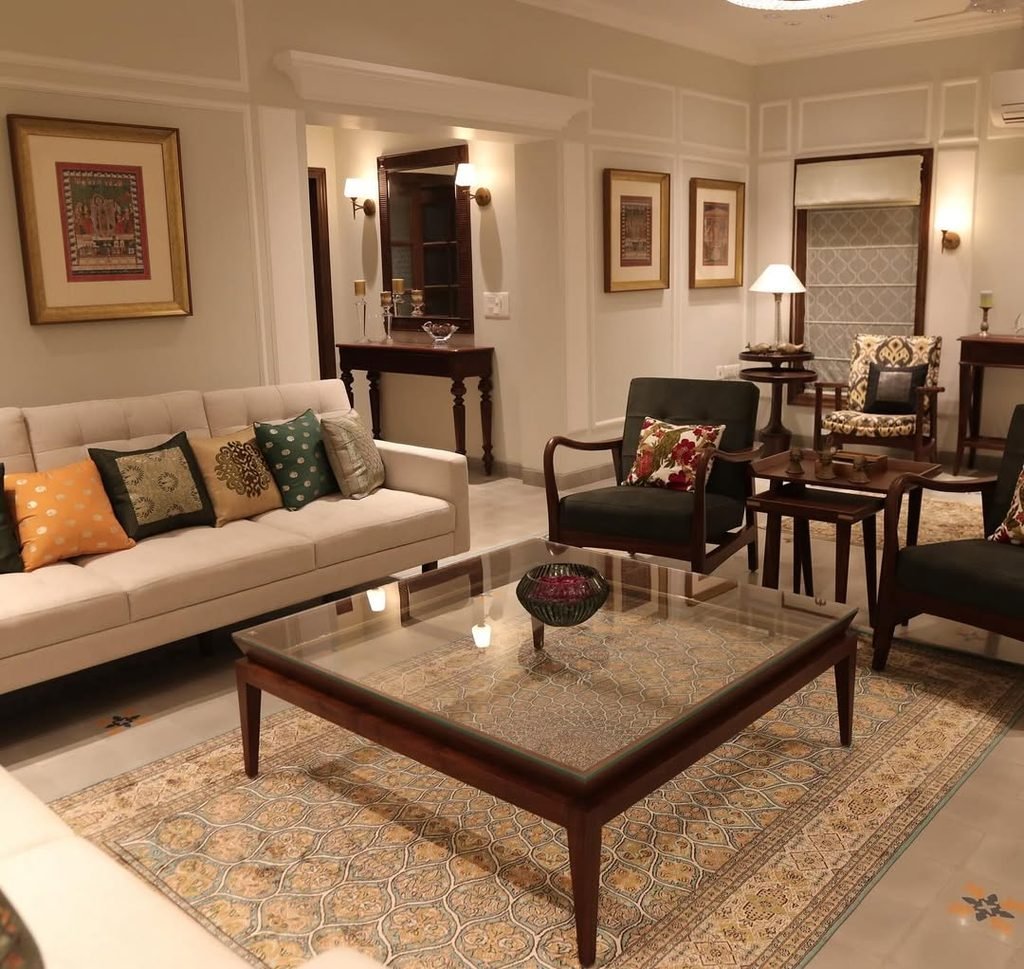
This is where people overspend, because the sofa looks like the big important purchase. It is, but it’s also the thing you can wait on.
Seating
A used loveseat or small sofa from Marketplace usually runs $75 to $250 and often looks better than a new budget sofa. If you buy new, look for a removable washable cover, because spills happen.
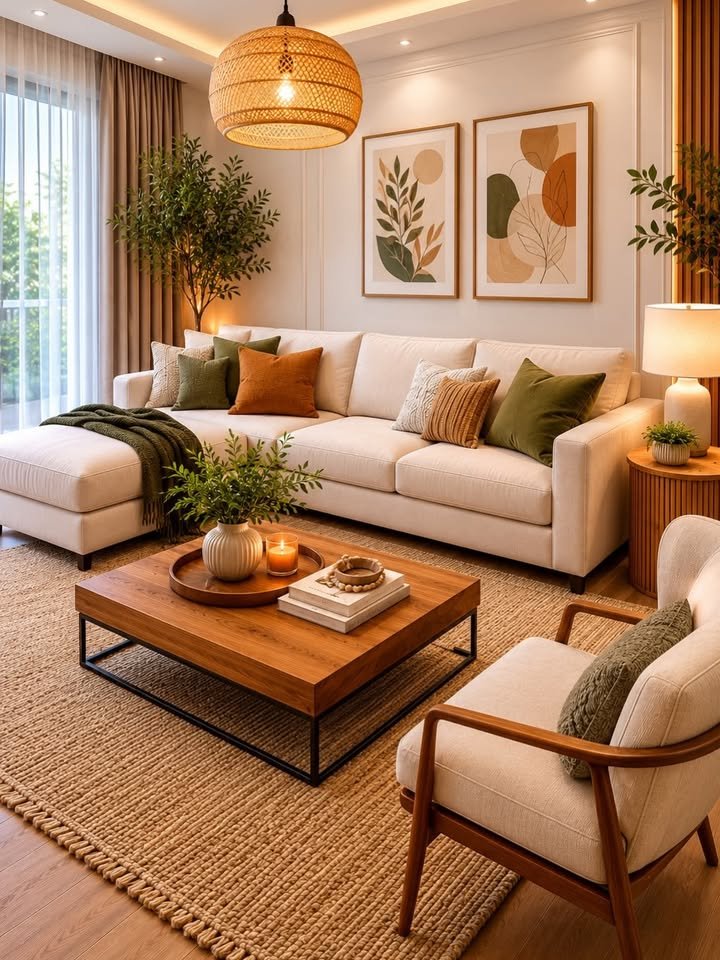
A couple of floor cushions or poufs can fill in while you shop.
My friend Priya used a pair of $30 armchairs from a thrift store and one oversized floor cushion as her whole living room for her first year. Her place looked intentional, not empty, because she picked chairs in the same wood tone and put a rug under them.
The Coffee Table Question
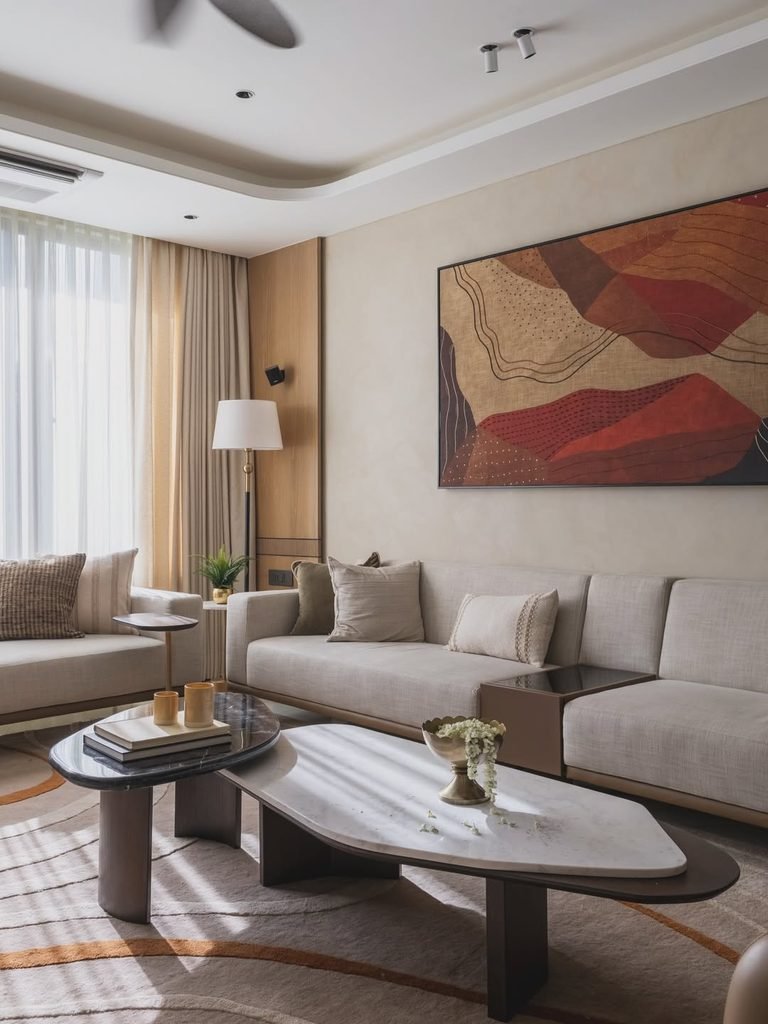
Honestly, skip the coffee table at first. A small side table or a stool that doubles as a surface is more flexible, easier to move, and often cheaper.
TV and Media Setup
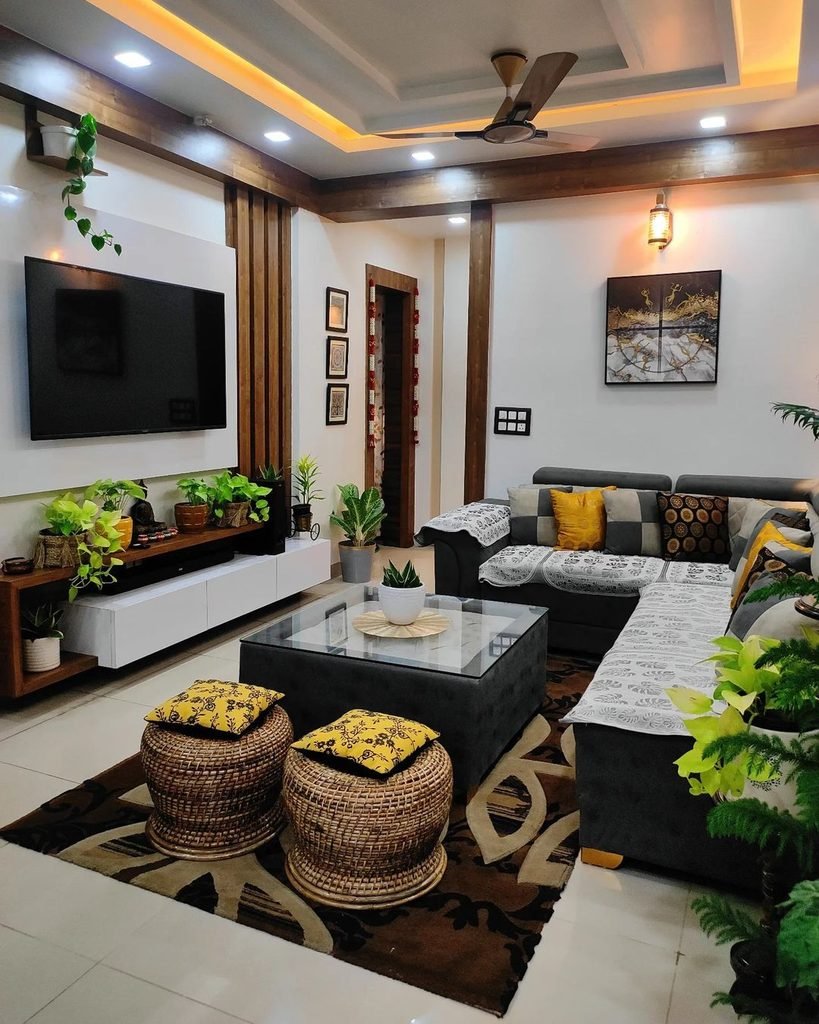
You don’t need a media console. A sturdy dresser, bench, or even a low shelf works. Just make sure it’s the right height for comfortable viewing.
Rugs
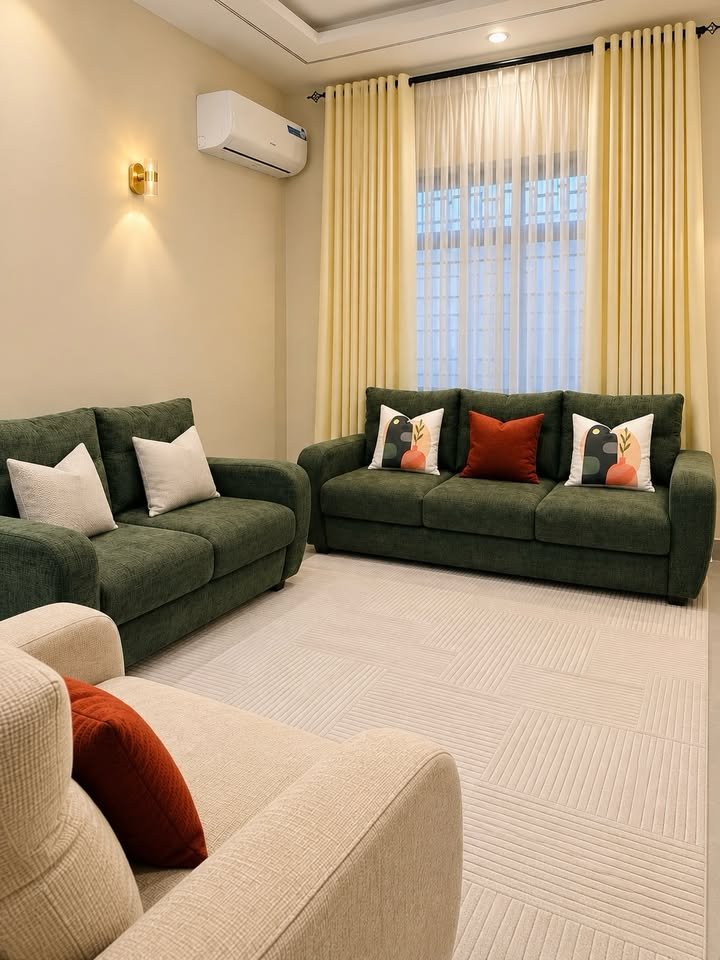
A rug does more for a room than almost any other cheap purchase. It adds warmth, hides questionable flooring, and defines the space.
Look for flat-weave or washable rugs in the 5×7 range, which often run $60 to $150 for decent ones. Avoid ultra-thin rugs without a grip pad, since they bunch and slide.
Pro tip: Buy your rug before your sofa if you can. It’s much easier to find a sofa that works with a rug you love than the other way around, and a good rug makes even a mismatched thrifted setup look pulled together.
Furnishing the Kitchen: A Realistic Apartment Essentials List
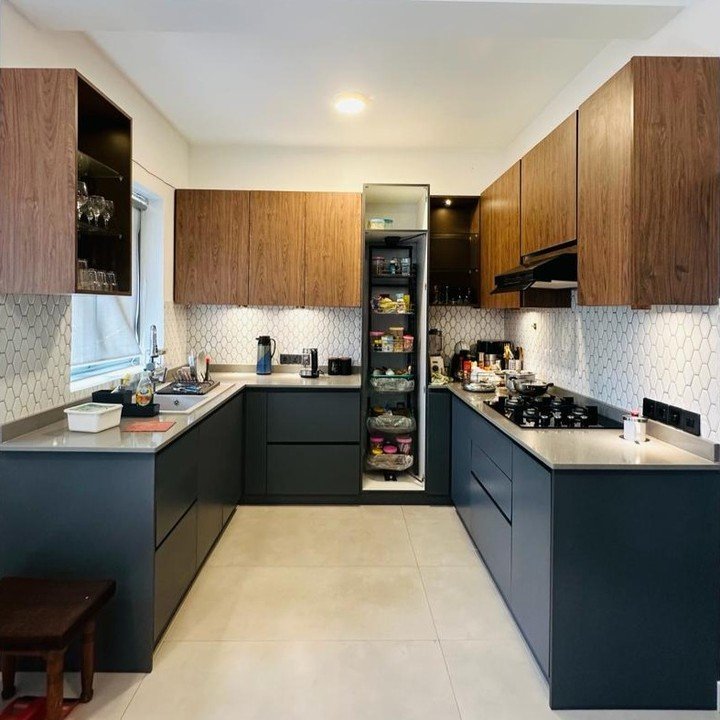
Kitchens are where first-time renters either buy way too much or way too little. Here’s the lean list I’d start with, plus what can wait.
The Starter Kitchen
- 1 large skillet (nonstick or cast iron)
- 1 medium pot with lid
- 1 sheet pan
- 1 chef’s knife and a paring knife
- 1 cutting board
- 2 to 4 plates, bowls, and mugs
- Basic utensils: spatula, wooden spoon, tongs, can opener, peeler
- A couple of mixing bowls
- Measuring cups and spoons
What Can Wait
Air fryers, stand mixers, fancy knife sets, and specialty gadgets can all wait until you know how you cook. I bought a spiralizer in my first month. I’ve used it twice.
Where to Save
Thrift stores and Buy Nothing groups are perfect for dishes, pans, and utensils. Spend your actual money on one good knife, since a sharp knife makes cooking easier and safer than a drawer of dull ones.
Small Kitchen Storage
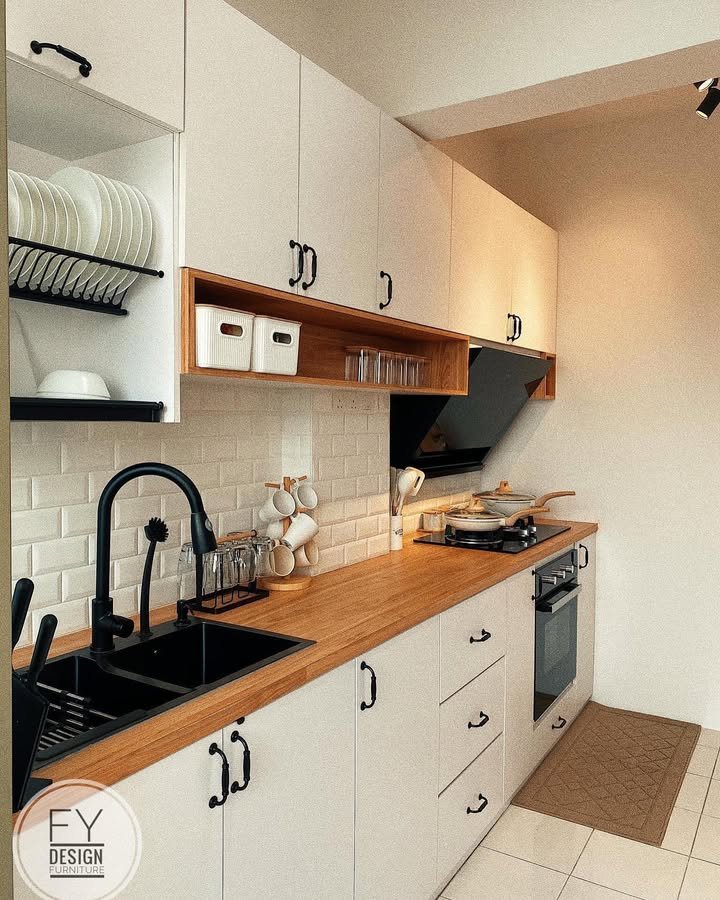
If your cabinets are limited, a rolling cart, over-the-sink rack, or wall-mounted rail can add space without any drilling. Renter-friendly adhesive hooks work for lightweight tools.
Renter-Friendly Storage Ideas for Small Apartments
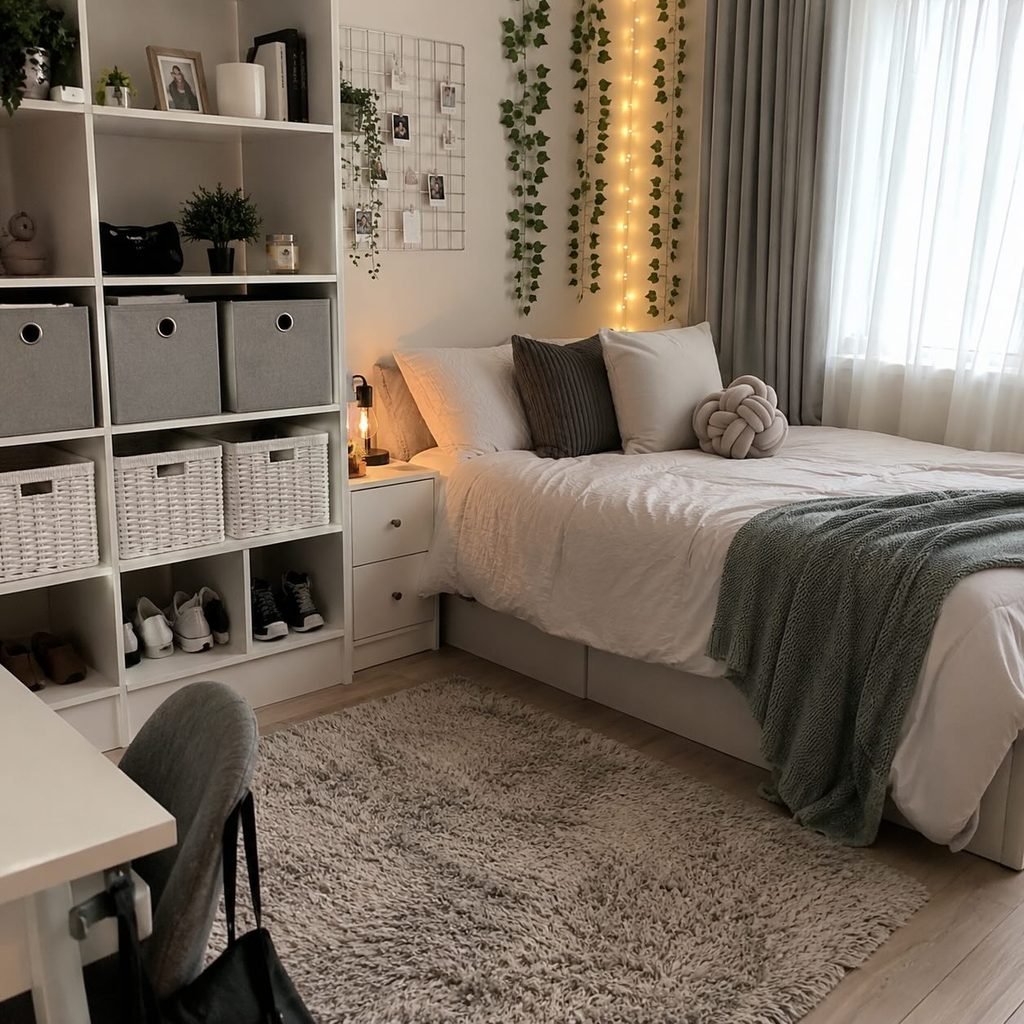
Storage is the thing nobody warns you about. Most first apartments are small, closets are tiny, and you will have more stuff than you think.
- Go vertical. Tall bookcases, over-the-door organizers, and wall-mounted shelves use space you’re not otherwise using.
- Use the under-bed zone. Flat bins or a frame with built-in drawers hold off-season clothes and extra bedding.
- Choose furniture that does two jobs. A storage ottoman, a bench with a lift-up seat, or a bed with drawers all earn their place.
- Add a second rod. A tension rod or hanging closet doubler can nearly double hanging space for a few dollars.
- Try adhesive hooks and removable strips. They’re great for lightweight items and won’t cost you your deposit, as long as you follow the weight limits on the package.
I’ll give you one real trade-off here: over-the-door hooks and racks are cheap and convenient, but cheap ones fail fast. I bought a $12 over-the-door rack for my bathroom, loaded it with towels, and it was on the floor within a week.
If you go this route, check reviews for weight capacity and look for ones with a padded hook so your door doesn’t get scuffed.
Lighting and Decor That Make a Cheap Apartment Feel Like Home
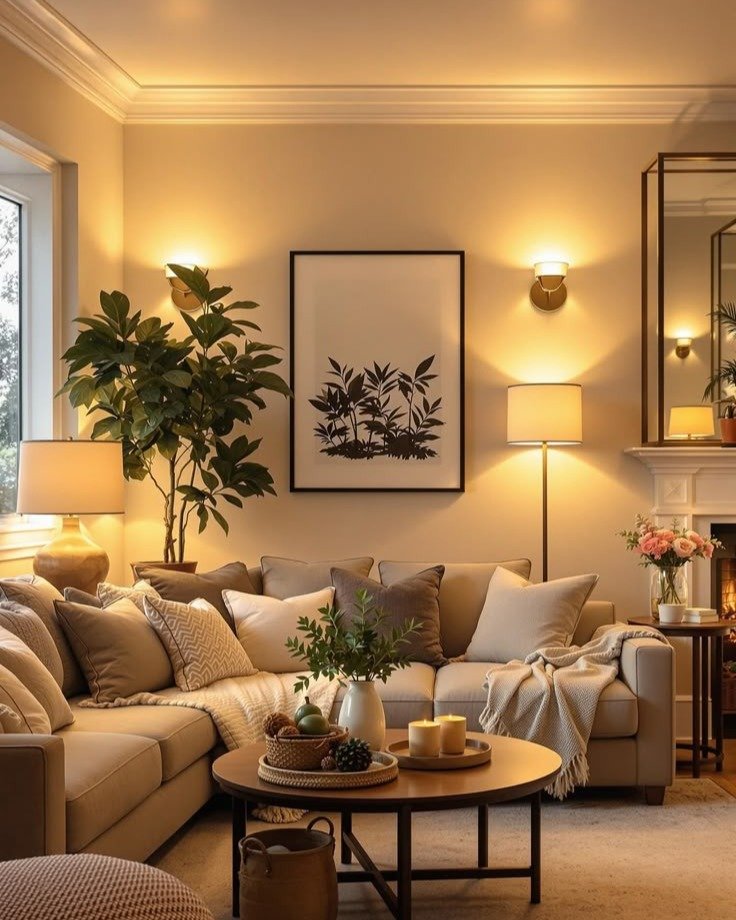
This is the part where a budget apartment goes from “temporary” to “mine.”
Fix the Lighting First
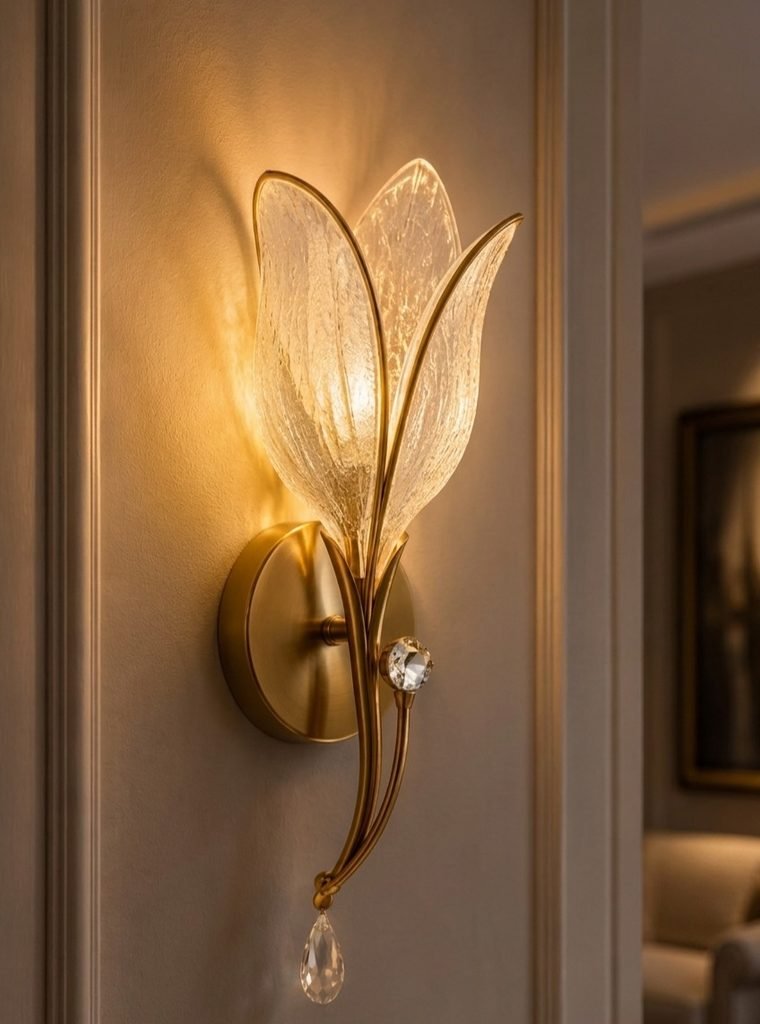
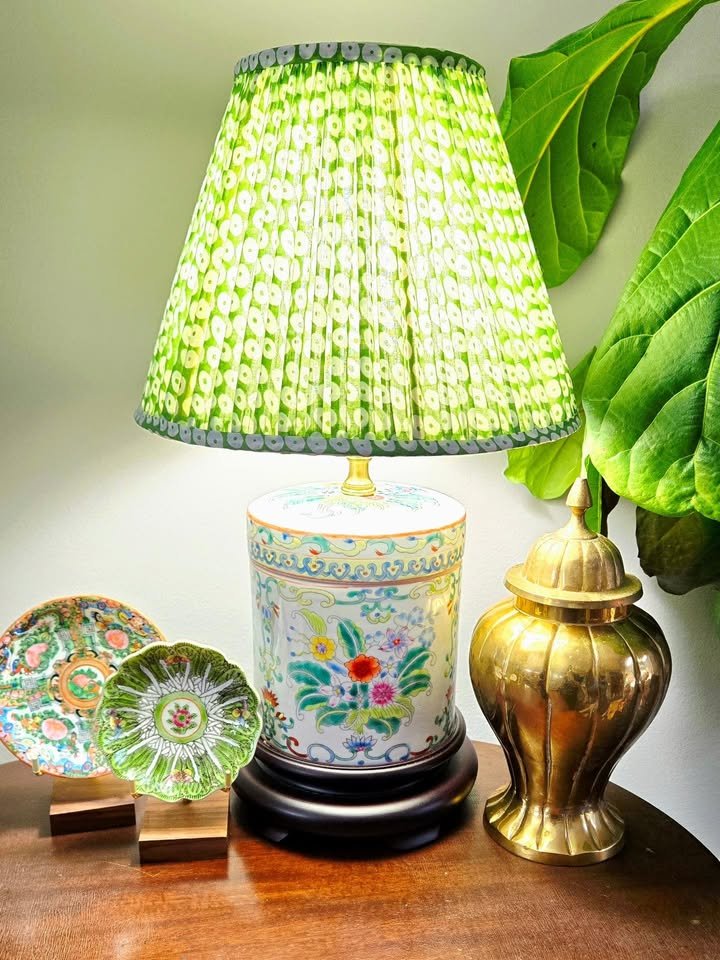
Most rentals come with one harsh overhead light per room. Add two or three lamps with warm bulbs (look for around 2700K on the package) and your whole space instantly feels cozier. Thrifted lamps with a new inexpensive shade look just as good as store-bought ones.
Curtains
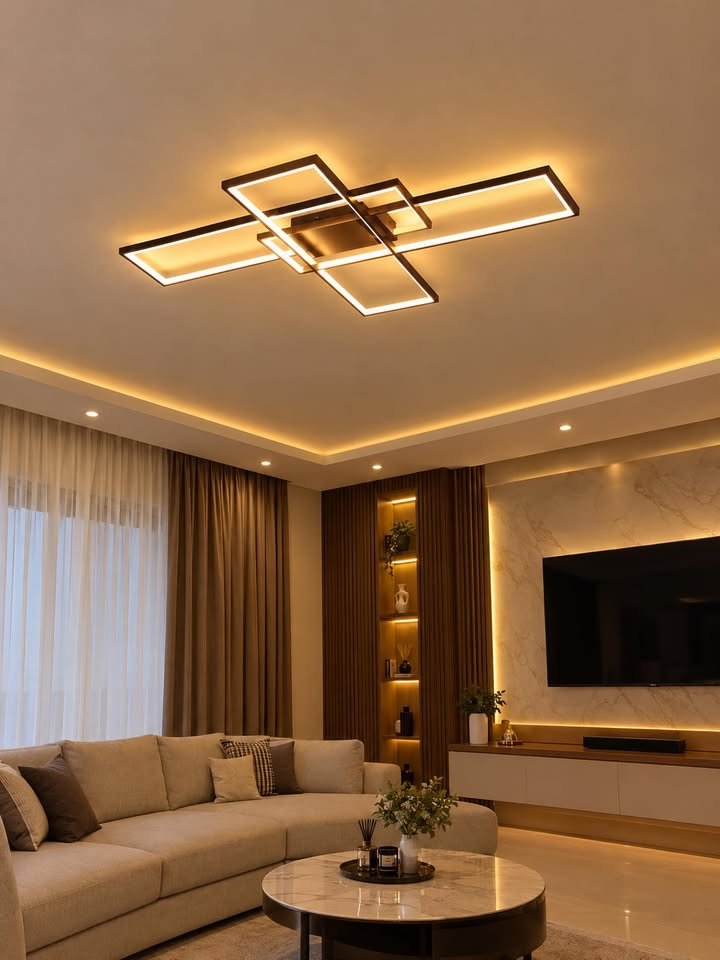
Curtains make windows feel finished and help with privacy and light control. Hang the rod higher and wider than the window frame to make the room feel taller. You can find decent panels for $15 to $30 each.
Plants
Plants add life for very little money. Pothos, snake plants, and ZZ plants are hard to kill and fine in most light. Fake plants work too if your place is dark; just dust them occasionally.
Wall Decor Without Drilling
Lean a large mirror on the floor, use removable hooks for lightweight frames, or hang art with adhesive strips. Printing free or inexpensive art and putting it in thrifted frames is one of the best budget decor tricks I know.
Pro tip: Repeat colors and materials across the room. Three wood tones that match, or black accents in a few places, make mismatched secondhand pieces look curated instead of random.
How Much Does It Cost to Furnish a First Apartment?
The honest answer depends on your city, your patience, and how much you’re willing to buy used. Here are realistic ballpark tiers for a one-bedroom or studio.
| Budget Tier | Approx. Total | What That Looks Like |
|---|---|---|
| Bare-bones | $500 to $1,000 | Mostly free and thrifted, new mattress and basics, very minimal decor |
| Budget-friendly | $1,000 to $2,500 | Mix of secondhand and new, a real sofa and bed setup, some decor |
| Comfortable | $2,500 to $4,500 | Mostly new from budget retailers, matching pieces, more decor and storage |
To give you a sense of where the money actually goes, here’s a rough breakdown for a budget-friendly setup:
| Category | Typical Cost |
|---|---|
| Mattress, frame, bedding | $350 to $700 |
| Sofa or seating | $100 to $400 |
| Table and chairs | $60 to $250 |
| Dresser or storage | $50 to $200 |
| Kitchen basics | $75 to $200 |
| Bathroom and cleaning | $50 to $120 |
| Lamps and lighting | $40 to $100 |
| Rug and curtains | $75 to $200 |
| Decor and plants | $30 to $150 |
These are estimates, not guarantees, and prices swing a lot by location. The point is to see where your money should go first so you don’t spend $150 on throw pillows while still sleeping on the floor.
Money-Saving Tricks I’d Use Again
- Shop in rotation, not all at once. Buying a little each week lets you catch sales and good listings instead of paying full price in a panic.
- Ask family and friends. People have spare plates, towels, and furniture hiding in basements. Just ask. A lot of parents are thrilled to get rid of the extra stuff.
- Time big purchases around holiday sales. Mattresses and furniture drop in price around Presidents’ Day, Memorial Day, Labor Day, and Black Friday.
- Check for open-box and floor models. Stores often discount returned or display furniture significantly.
- Haggle politely on secondhand. Most Marketplace sellers expect a bit of negotiation, especially if you can pick up the same day.
- Refinish instead of replace. A $20 can of paint or a new set of drawer knobs can transform an ugly dresser into something you love.
A reader named Marcus once told me he furnished his whole studio for under $900 by doing exactly this. He bought a new mattress and everything else came from Marketplace, a ReStore, and his aunt’s garage.
His secret was patience: he gave himself two months and passed on a lot of “almost good” deals.
Mistakes to Avoid When Furnishing Your First Apartment
I’ve made most of these, so there’s no judgment here.
- Buying a matching furniture set. They’re expensive, they lock you into one look, and they rarely fit a small space. Mix pieces instead.
- Skipping measurements. See: Dana and her sofa.
- Overbuying decor early. Decorate once you know how you live in the space.
- Choosing the cheapest option for things you use daily. A terrible mattress or a flimsy chair costs you more in the long run.
- Forgetting about delivery or moving costs. A $100 sofa isn’t a deal if you need to pay $80 for a truck rental.
- Ignoring the lease. Check rules on nails, paint, and furniture anchoring before you start.
- Buying on credit without a plan. A “0% interest” furniture deal can turn into a high-interest debt fast if you miss a payment.
A Simple First-Apartment Checklist
If you want one list to screenshot, here it is:
Sleep: mattress, frame, sheets, pillows, blanket Kitchen: pan, pot, knife, cutting board, dishes, utensils, trash can Bathroom: shower curtain, towels, bath mat, toilet brush Living: seating, side table, lamp, rug Storage: dresser or shelves, hangers, bins Cleaning: broom, mop, sponges, trash bags, basic tools Extras: power strips, extension cord, light bulbs, curtains
What I’d Do First If I Were Starting Over
If I were walking into an empty apartment tomorrow with a small budget, I’d buy a mattress and sheets, set up a lamp, and sleep like a person.
Then I’d spend a few weeks quietly browsing Marketplace and thrift stores for a dresser, a small table, and a loveseat, buying only when the price and measurements were both right.
I would not buy a single piece of decor until I’d lived there a month. By then I’d know where the light hits, what annoys me, and what I’m actually missing. That’s the whole secret to furnishing a first apartment on a budget: slow down, buy in order, and let the space tell you what it needs.
Your first place doesn’t have to look finished. Mine didn’t, and honestly, the mismatched chair I found on a curb is still the one I sit in the most.


Leave a Reply