
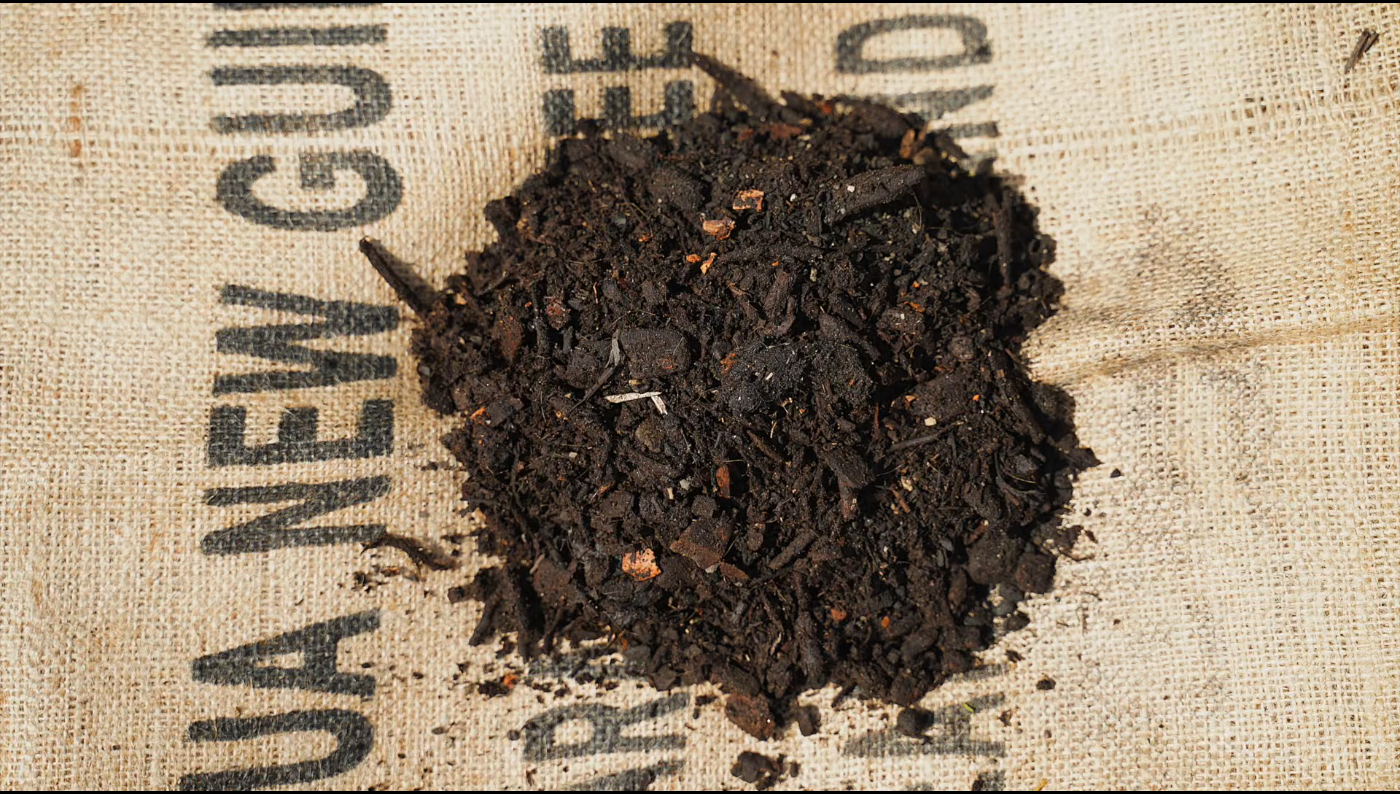
Composting helps you minimize the use of commercial fertilizers in your home. This article discusses what is composting and what are the benefits of composting?
What is Composting?

The EPA defines compost as an organic matter decomposed through composting using compost bins. Composting is usually done at individual level but many communities also compost to reduce the use of commercial fertilizers.
Composting is a slow process that requires air (bacterial growth), human management (turning the pile around), and internal biological heat (catalyze the decaying process). The microorganisms inside the compost bin require the following elements for effective working.
- Carbon – needed for energy and oxidation. Brown and dry waste materials are high in carbon, identified as browns in composting.
- Nitrogen – needed for the growth, reproduction of microorganisms and speeds up the composting process. Fruits and vegetable waste is nitrogen rich, identified as greens in composting.
- Oxygen – for the oxidation of carbon, it is readily available in the atmosphere.
- Water – needed in a precise amount to maintain activity and avoid anaerobic activities.
Suitable materials which can be Composted
- Fruits and vegetable (peeling included)
- Eggshells
- Cardboard or paper (small and uncoated pieces)
- Coffee grounds and filters
- Teabags
- Cooked rice and pasta
- Stale bread
- Stale potato chips
- Spoiled tomatoes
- Fireplace ashes
- Grass clippings
- Hair and fur
- Hay and straw
- Leaves
- Houseplants
- Shredded newspapers
- Sawdust
- Wood chips
- Yard trimmings
- Manures
Materials which should not be Composted
- Black Walnut trees leave or twigs
- Dairy products and eggs (eggshells are great for composting process)
- Insect-ridden or diseased plants
- Meat, fish bones
- Pet feces and pet litter
- Plants sprayed with insecticides
- Coal or charcoal ash
- Treated yard trimmings
These materials are slow to compost and create awful odor.
How to Compost?
You can compost using a composting bin or on bare earth. You can buy a composting bin or make a DIY composting bin.
The Process
Step 1: Lay the twigs or the straw first. Make sure they are a few inches deep as it helps in aeration and provides a base for the pile.
Step 2: Now add the materials one by one in alternating (dry and moist) layers. Wet ingredients are food scraps, tea bags, sea wood, coffee grounds and filters, and such materials. Now add the dry waste materials in fine and sprinkled form so they don’t clog.
Read more: Compost Tumbler Too Wet Problem – 4 ways to Fix it
Step 3: Add nitrogen source. Green organic waste is rich in nitrogen and helps in the growth and reproduction of waste materials.
Step 4: Add some water manually in composting bins. Open composting piles are often watered by rain.
Step 5: Cover the pile using bin lids or plastic sheets or carpet scraps for open piles. Covering the pile helps retain moisture.
Step 6: Turn the compost pile every couple of weeks. Composting bins have a handle to turn the pile around; you can use a pitchfork or shovel for open piles. Don’t forget to wear gloves and face mask while working with the pile. Turning the pile helps in aeration.
How to Make a Compost Bin at Home
Things Needed
- A plastic bin (thick and durable)
- Drill machine
- Soil
- Red wiggler worms
The Process
- Select an appropriate sized bin with a lid. You can select the size by estimating how much waste you want to compost.
- Pinch some pencil-tip size holes in the air at the top of the bin so worms can’t escape from the bin.
- Add soil in the bin and start composting.
Benefits of Composting
- Composting reduces methane gas production. Methane is harmful to environment.
- It cuts cost on lawn fertilizers.
- Composting lowers carbon footprint.
- Reduces the need for chemical fertilizers.
- Compositing increases agriculture yield.
- Composting aids in reforestation and habitat revitalization.
- It increases water retention in soils.
- Composting reduces waste and avoid landfills.
- It assists in storm water management.
- Composting helps reduce surface water pollution because it has harmful ingredient.
- Compost reduces soil erosion because it acts like a sponge and helps water infiltrate the soil.
- Composting helps you save on waste disposal cost.


![5 Minutes Method to Clean a Ridgid Shop Vac Filter [Video Guide]](https://www.garbagewonk.com/wp-content/uploads/2026/09/image-82-150x150.png)
Leave a Reply